ADAS Calibration Systems
Professional ADAS Calibration Systems for heavy-duty repair shops, fleets, and mobile technicians — sourced for accuracy, coverage, and uptime.
Featured ADAS Calibration Systems
-
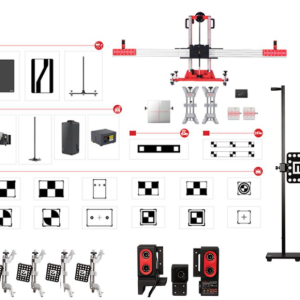
Autel Standard Frame ADAS All Systems + IA800
$35,185.00 Add to cart -
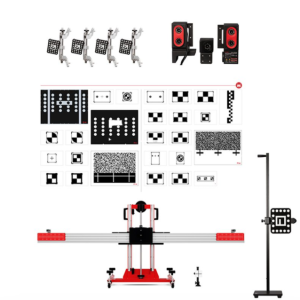
Autel Standard Frame ADAS LDW + IA800
$18,420.00 Add to cart -
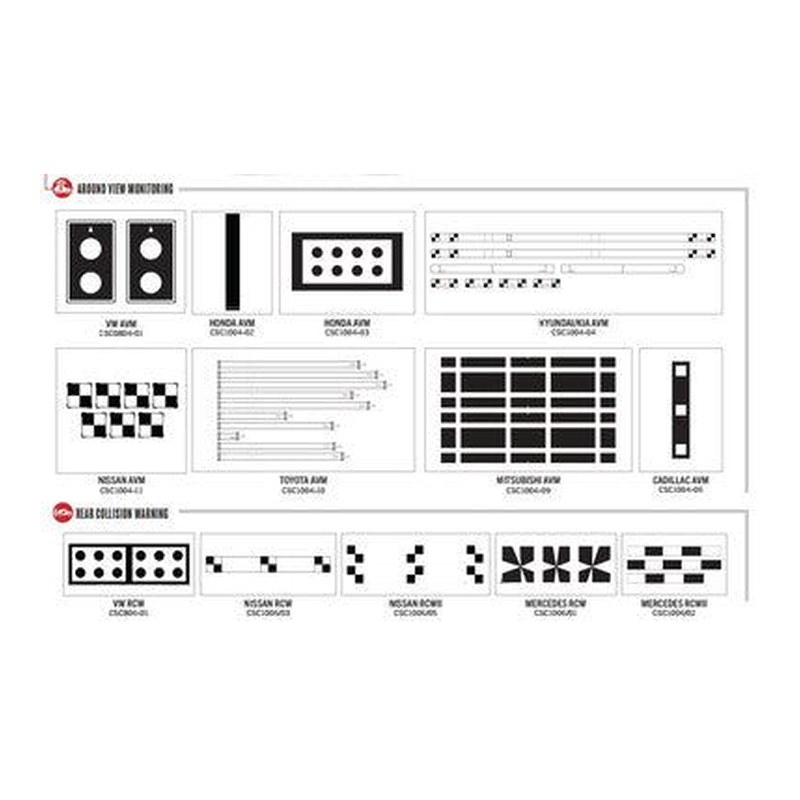
Autel Standard Frame AVM Camera Calibration Package
$6,203.00 Add to cart -
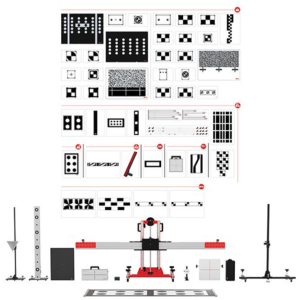
Autel Standard Frame CV ADAS All Systems
$20,055.00 Add to cart -
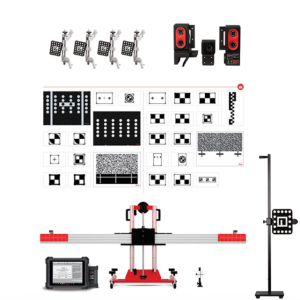
Autel Standard Frame CV ADAS All Systems w/ MS909CV Tablet
$22,215.00 Add to cart -
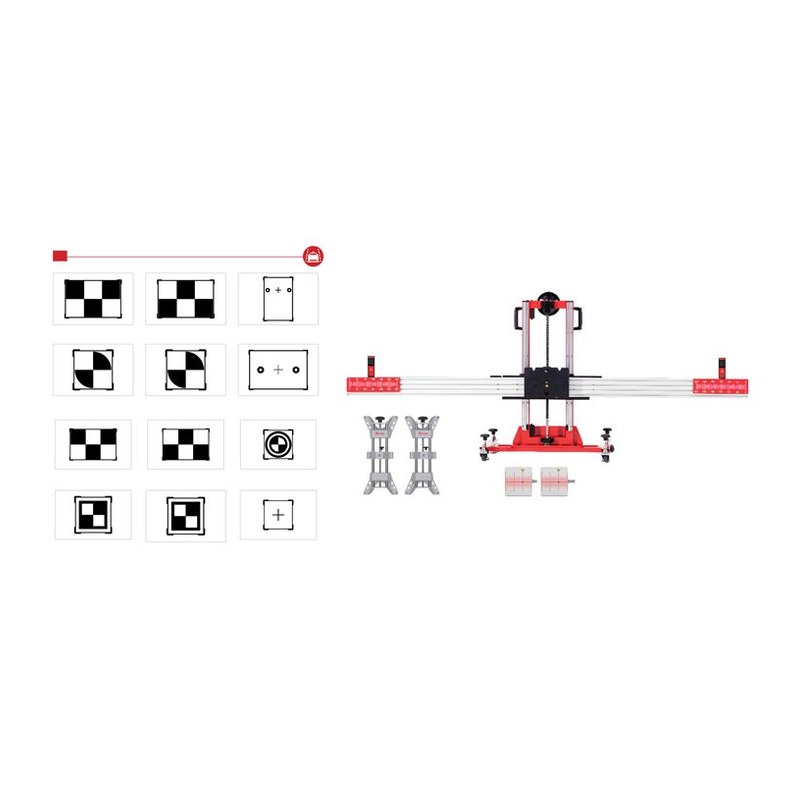
Autel Standard Frame CV ADAS LDW Package
$11,046.00 Add to cart -
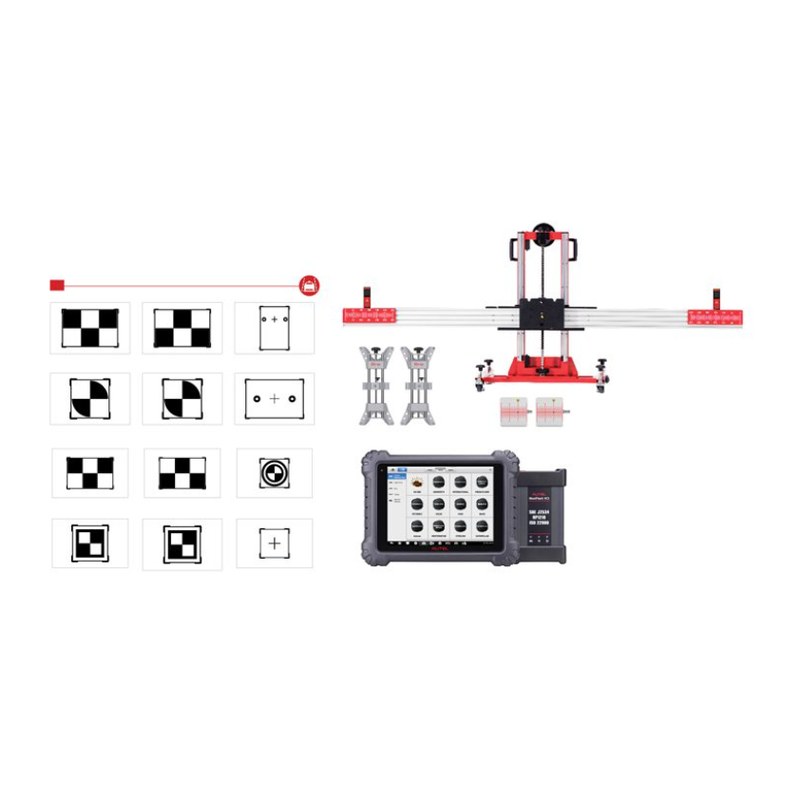
Autel Standard Frame CV ADAS LDW w/ MS909CV Tablet
$16,495.00 Add to cart -
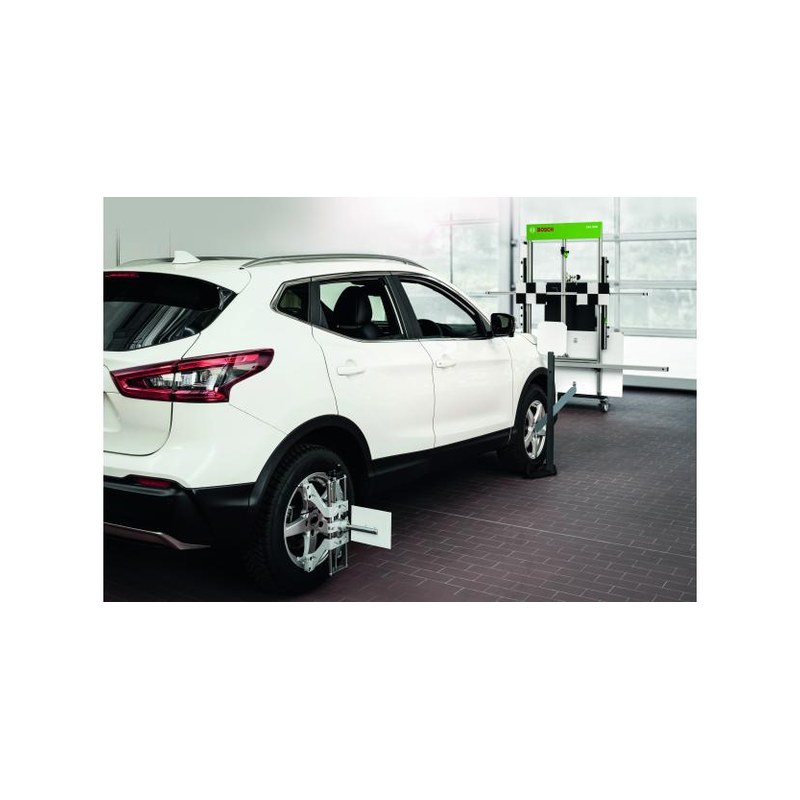
Bosch ADAS Bundle
$40,741.36 Add to cart -
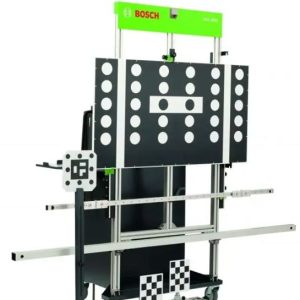
Bosch ADAS Master Recalibration Solution – ITEM ID; BODAS3000-1 Complete Solution – BOSDAS3000-1
$39,498.98 Add to cart -
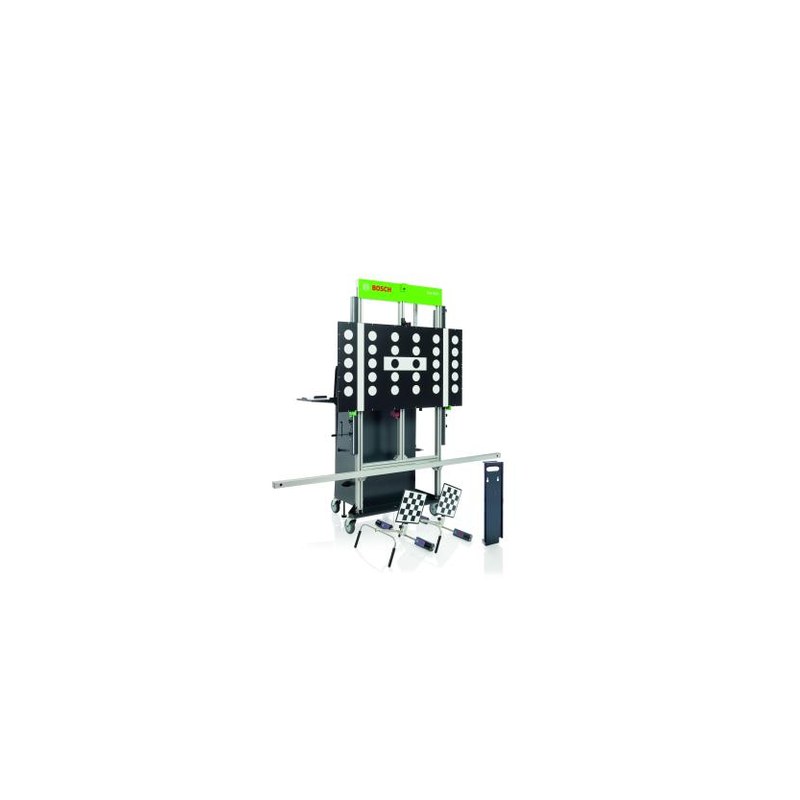
Bosch ADAS Upgrade Kit
$32,710.43 Add to cart -

Bosch ADAS Upgrade Kit – BOSDAS3000-2
$32,710.43 Add to cart -
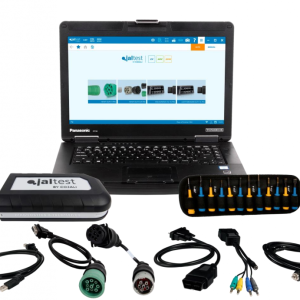
COJALI Jaltest USA ADAS Diagnostics Solution Kit – COJ29805 – New Customers
$14,495.00 Add to cart -
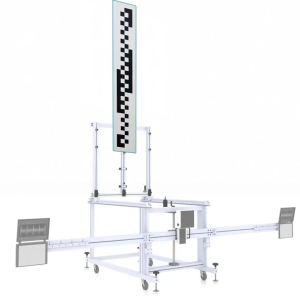
COJALI USA ADAS Diagnostics Solution Kit – EXISTING customers
$11,199.81 Add to cart -
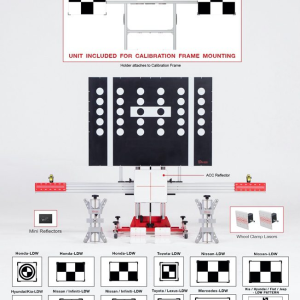
Lane Departure Warning Package 2 include ADASFRAME SP
$7,402.50 Add to cart -
Launch Tech USA Adas Premium Plus Package – LAUADASPREPLS
$24,095.00 Add to cart -
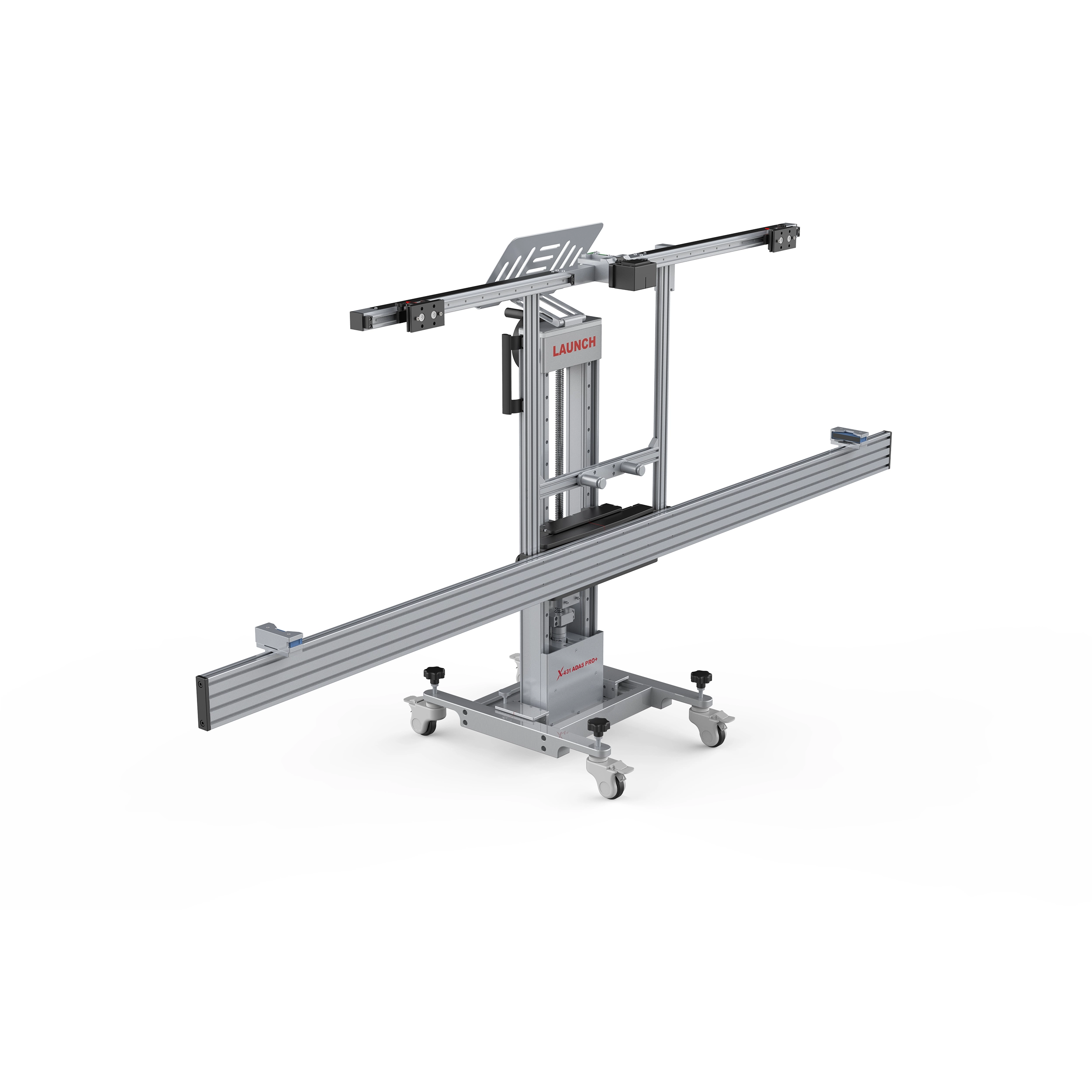
Launch Tech USA ADAS Pro Plus Premium Configuration
$34,415.37 Add to cart -
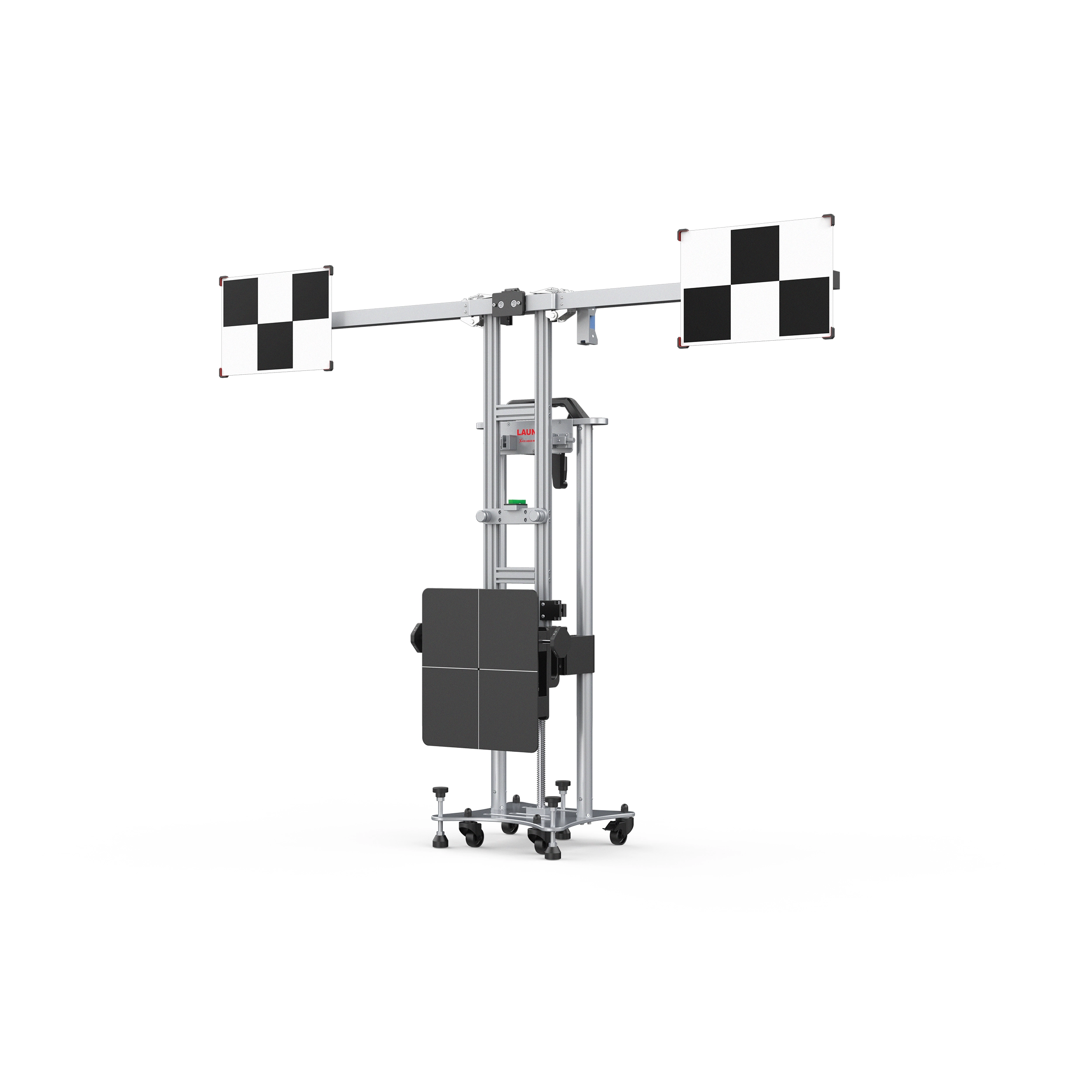
Launch Tech USA X-431 ADAS Mobile Premium Configuration
$28,748.67 Add to cart -
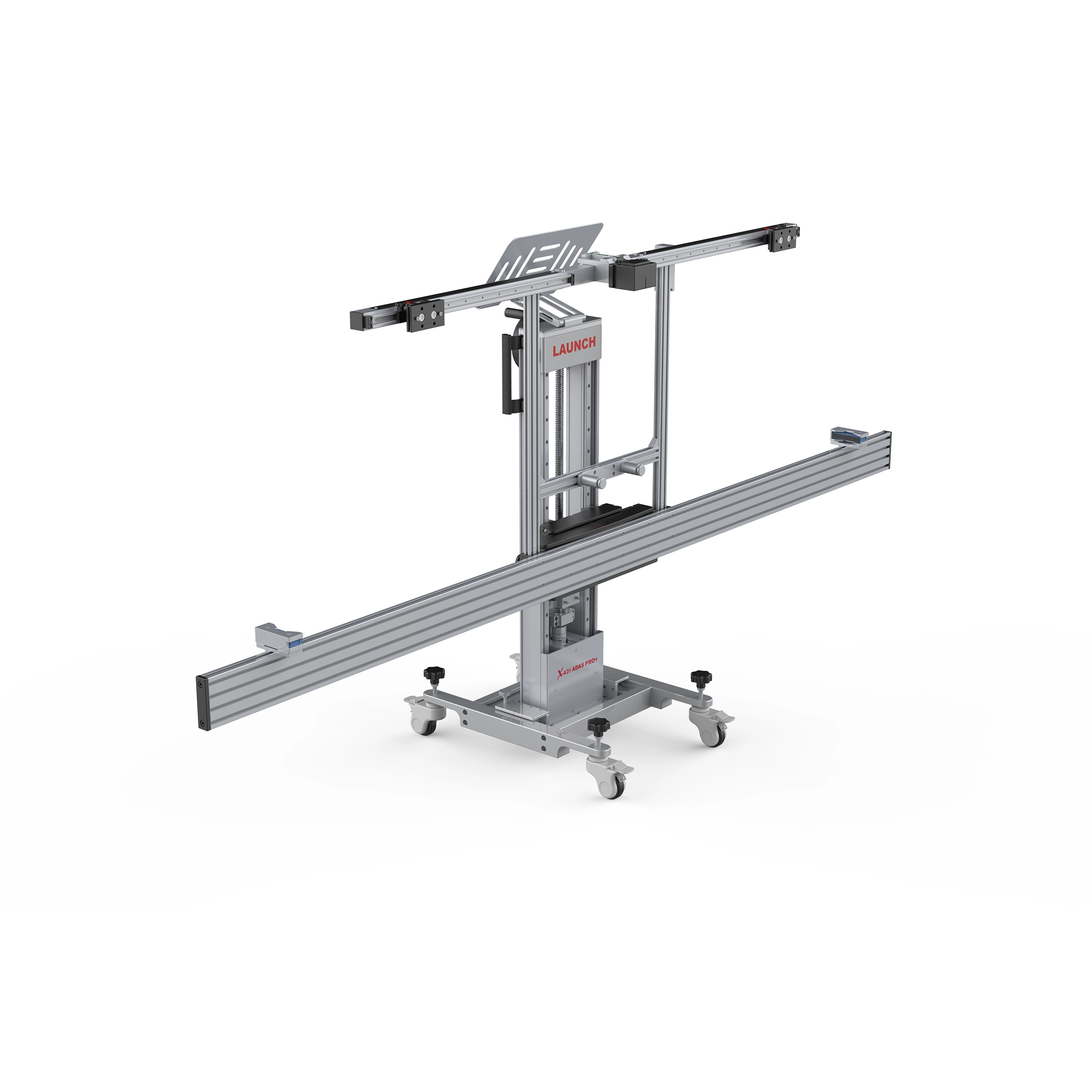
Launch Tech USA X-431 ADAS Pro Plus Basic Configuration
$9,473.67 Add to cart
Why Shops Choose This Equipment
Comprehensive ADAS calibration coverage across 98% of domestic and import vehicle makes and models.
Factory-grade accuracy meets OEM specifications, eliminating comebacks and protecting your shop from liability.
All-in-one diagnostic and calibration systems cut equipment costs and floor space without sacrificing capability.
Dedicated technical support ensures technicians get accurate guidance fast, keeping bays productive.
Scalable solutions fit single-bay shops, mobile operators, and high-volume fleet service centers equally well.
ADAS Calibration Systems: The Complete Buying Guide for Professional Truck Repair Shops and Fleet Operations
What ADAS Calibration Systems Cover and Why Heavy-Duty Shops Need Them
Advanced Driver Assistance Systems have moved from luxury passenger cars into the mainstream of commercial trucking. Modern Class 6ÔÇô8 trucks, vocational vehicles, and even medium-duty fleets now roll off the line equipped with forward collision warning, automatic emergency braking, lane departure warning, adaptive cruise control, blind-spot monitoring, and camera-based mirror replacement systems. Every one of those systems depends on a precisely calibrated sensor ÔÇö radar, lidar, ultrasonic, or optical camera ÔÇö and any repair, windshield replacement, front-end alignment, bumper repair, or suspension work that moves those sensors even a few millimeters requires a full recalibration before the vehicle returns to service.
ADAS calibration systems are the tools that perform that recalibration. At the core, they consist of calibration targets (flat panels, radar reflectors, or pattern boards), precision positioning hardware (stands, measuring arms, laser alignment devices), and a software/scan tool interface that commands the vehicle's control modules through a defined procedure. For heavy-duty applications the equipment must account for the taller ride height, wider track, and heavier frame flex of commercial vehicles ÔÇö which is why heavy-duty-specific or heavy-duty-capable systems are a distinct category from the compact-car kits commonly sold to automotive shops.
The category also includes mobile-ready configurations for roadside fleet service, multi-brand universal platforms that handle multiple OEM procedures from a single kit, and OEM-specific solutions required by certain manufacturers as a condition of warranty or certification. Understanding which tier is right for your shop starts with knowing exactly what vehicles you service and what procedures those vehicles demand.
Types of Equipment in the ADAS Calibration Systems Category
The market breaks down into several distinct equipment types, each with its own role in a calibration workflow:
- Target-based static calibration systems ÔÇö Large, free-standing frames or wall-mounted brackets that hold printed or reflective targets at precise distances and heights. The technician positions the vehicle, positions the target according to OEM specifications, then commands the calibration through a scan tool.
- Dynamic calibration systems ÔÇö Some ADAS sensors (particularly certain radar and camera systems) require a driving procedure at specific speeds on a road with defined lane markings. A scan tool with the correct software activates the calibration mode, and the driver completes the required drive cycle.
- Combination static/dynamic platforms ÔÇö Enterprise-level scan tools and software suites that guide technicians through whichever procedure the OEM specifies, automatically selecting static or dynamic based on the VIN-decoded vehicle profile.
- Radar reflectors and corner radar targets ÔÇö Specialized targets for front, rear, and corner radar modules common on trucks with adaptive cruise and blind-spot systems. These require precise positioning relative to the vehicle's centerline and wheel axis.
- Laser ride-height and wheel-axis measuring tools ÔÇö Standalone or integrated measuring systems that establish the vehicle's centerline, wheel axis, and precise target placement distances before calibration begins.
- Mobile calibration carts and cases ÔÇö Portable target stands and measuring tools designed to fold, break down, and load into a service van for on-site fleet calibrations.
Many shops discover they need more than one type. A shop serving mixed fleets ÔÇö urban delivery vans alongside Class 8 sleepers ÔÇö will typically need both a compact passenger-vehicle capability and a heavy-duty target and positioning system. Buying a platform with a scalable accessory ecosystem rather than a single fixed kit often provides the best long-term value.
How ADAS Calibration Fits Into Real Shop Day-to-Day Workflow
The practical reality is that ADAS calibration has become a non-optional step in a growing number of routine repair orders. A windshield replacement on a truck equipped with a forward-facing camera system, a wheel alignment on a truck with front corner radar, or a bumper repair involving a forward collision sensor ÔÇö all of these trigger a required recalibration. Shops that lack the equipment either turn away the work, subcontract it at a margin loss, or worse, return the vehicle uncalibrated and expose themselves to significant liability.
In practice, a technician performing static calibration will first complete the mechanical repair, then pull the vehicle into the calibration area, connect the scan tool to the OBD port, and follow the on-screen procedure. The software identifies the vehicle's ADAS modules, lists the required calibrations, and guides the technician through target placement. Depending on the system, the setup involves measuring from the vehicle's wheel axis or a defined chassis reference point to position the target stand. The calibration command is sent, the sensor runs its self-check, and the scan tool reports pass or fail with a freeze-frame capture for the repair record.
Total time per calibration varies significantly ÔÇö a straightforward single-camera calibration on a familiar platform might take 30ÔÇô45 minutes including setup and documentation, while a full multi-sensor procedure on a late-model heavy truck can take several hours. The investment in a well-organized calibration bay with floor markings, a plumb ceiling mount for wall targets, and a dedicated scan tool cart pays for itself quickly in reduced setup time per job.
Choosing the Right System for Your Shop Size and Vehicle Mix
A single-bay independent shop doing occasional windshield-related camera calibrations on medium-duty box trucks has very different needs from a 20-bay fleet maintenance center handling mixed Class 4ÔÇô8 vehicles daily. The first consideration is vehicle mix: identify the top 10 vehicle makes, model years, and known ADAS configurations in your bay, then verify that any system you evaluate has documented, verified procedures for those specific vehicles. A universal platform's coverage list is only as valuable as its actual tested procedures ÔÇö request a coverage check against your specific applications before purchasing.
Shop size drives the infrastructure question. A multi-bay operation may benefit from a fixed-installation system with a wall-mounted target frame, laser floor markings, and a dedicated calibration lane, which maximizes throughput and repeatability. A smaller shop or mobile operation needs a portable system that stores compactly and deploys quickly. Some platforms bridge this by offering a portable base kit with optional fixed-mount upgrades.
- High-volume shops (10+ calibrations per week): Prioritize a fixed-bay installation with software that supports multiple technicians and stores calibration records centrally.
- Mid-volume shops (2ÔÇô9 calibrations per week): A universal portable system with solid heavy-duty coverage and a good scan tool ecosystem typically offers the best balance of flexibility and capability.
- Low-volume or specialty shops (fewer than 2 per week): Consider whether subcontracting remains cost-effective, or whether adding calibration capability opens enough new revenue streams to justify the investment.
- Mobile fleet service operations: Prioritize lightweight, ruggedized portable systems; verify that the target stands are stable on uneven concrete or asphalt surfaces typical of fleet yards.
Compatibility and Integration Considerations
ADAS calibration software does not exist in isolation ÔÇö it must integrate with your existing scan tool ecosystem, your shop management system, and potentially your OEM dealer tool agreements. Many calibration platforms run as a module within a broader diagnostic suite, which means your existing scan tool hardware may be compatible with a calibration software upgrade rather than requiring a complete new hardware purchase. Clarify this with any vendor you evaluate.
OEM position is a critical consideration for heavy commercial vehicles. Some manufacturers ÔÇö particularly those with fleets under active warranty or extended service contracts ÔÇö require calibration to be performed with OEM-licensed software or at a certified facility. Confirm whether your primary vehicle brands have such requirements, as a universal aftermarket tool may not satisfy those OEM documentation requirements for warranty purposes. In those cases, an OEM-licensed calibration tool is not optional; it is a condition of the repair order.
Software update frequency matters more in ADAS calibration than in most diagnostic categories, because new model year vehicles arrive with updated sensor hardware, revised calibration procedures, and new module variants. Evaluate the vendor's track record on update cadence, the cost structure for ongoing updates (annual subscription versus per-update fee), and how quickly new heavy-duty platform coverage typically appears after a new model year launch.
Setup, Space, and Workflow Requirements
ADAS calibration has real physical infrastructure requirements that catch some shops by surprise. Static calibration targets must be positioned at specific distances from the vehicle ÔÇö distances that vary by OEM but frequently range from two to six meters in front of the vehicle for forward-facing camera systems. The calibration area must be level (some systems specify maximum floor slope tolerances), well-lit with consistent, diffuse lighting (direct sunlight or harsh shadows can cause camera calibration failures), and free of reflective surfaces or background clutter that can confuse optical sensors.
Ceiling height matters for certain large-format targets used on tall commercial vehicles. Some wall-mount target frames for trucks require eight feet or more of usable wall space at the correct height. Measure your bay carefully before committing to a fixed-installation system. For facilities with low ceilings or shared bays, a telescoping portable target stand system may be the only viable configuration.
Floor markings or physical guide rails for vehicle positioning are a significant workflow efficiency investment. If every calibration begins with a technician measuring and remeasuring the vehicle position from scratch, setup time accumulates quickly. Painted floor lanes, recessed measuring rails, or laser projection systems that mark the target placement zone dramatically reduce setup time and technician error on repeat procedures.
Maintenance, Calibration of the Equipment Itself, and Longevity
The targets and positioning hardware used in ADAS calibration are precision instruments that require care. Printed target panels must remain flat, clean, and free from creases, tears, or fading ÔÇö damage to a target surface can cause subtle calibration errors that are difficult to diagnose. Establish a standard inspection procedure for targets before each use, and replace panels on a schedule recommended by the manufacturer rather than waiting for visible damage.
Laser measuring tools and positioning arms require periodic verification against known references to confirm they remain accurate. Most manufacturers provide a verification procedure in the tool documentation; performing it regularly and logging the results protects you against liability if a calibration result is ever questioned. Keep calibration certificates and verification logs for all positioning hardware as part of your shop's quality records.
Software and hardware support lifecycles should be part of your purchase decision. A calibration platform is a long-term asset, and you need confidence that the manufacturer will continue providing software updates and replacement parts for the expected service life of the equipment. Ask vendors specifically about their long-term support commitments and the typical hardware lifecycle for their platforms before committing.
Buying Considerations: What to Evaluate Before You Purchase
Purchasing an ADAS calibration system is a significant investment, and the decision deserves structured evaluation. Use the following framework when comparing platforms:
- Verified vehicle coverage: Request a coverage report filtered to your actual vehicle makes, model years, and ADAS configurations. Broad coverage claims mean little if the specific procedures for your primary vehicles are absent or unverified.
- Heavy-duty specificity: Confirm the system supports the ride heights, track widths, and sensor positions typical of your commercial vehicle classes. A system designed primarily for passenger cars may lack the target size, stand height range, or positioning capability for Class 6ÔÇô8 trucks.
- Software ecosystem and update model: Understand whether calibration capability is a standalone purchase or integrated into a broader diagnostic subscription, what the annual update cost is, and how updates are delivered and applied.
- OEM certification requirements: Identify whether any of your primary brands require OEM-specific tools or certification for warranty-valid calibrations, and factor that into your tool selection.
- Training and onboarding: ADAS calibration has a learning curve. Evaluate what training the vendor provides ÔÇö on-site, remote, or video-based ÔÇö and whether ongoing technical support is included or available.
- Physical fit for your facility: Confirm that the system's setup requirements (distance, ceiling height, lighting, floor levelness) are compatible with your available space before purchase.
- Portability vs. fixed installation: Match the hardware form factor to your workflow ÔÇö high-volume shops benefit from fixed installations; mobile and lower-volume operations may be better served by a portable system.
- Documentation and record-keeping: Confirm that the system generates a calibration report or repair record that can be attached to the repair order and stored for liability purposes. This documentation becomes critical if a vehicle is involved in an incident after a calibration was performed.
Finally, involve the technicians who will operate the equipment in the evaluation process. A system that experienced technicians find intuitive and reliable will deliver better throughput and fewer errors than a technically superior tool that the team finds cumbersome. Request a hands-on demonstration with one of your actual vehicles whenever possible before finalizing a purchase decision.