Launch Calibration & Diagnostic Tools
Professional-grade Launch ADAS calibration and diagnostic equipment — sourced for heavy-duty repair shops, fleets, and mobile technicians.
Featured Launch Tools & Pricing
-
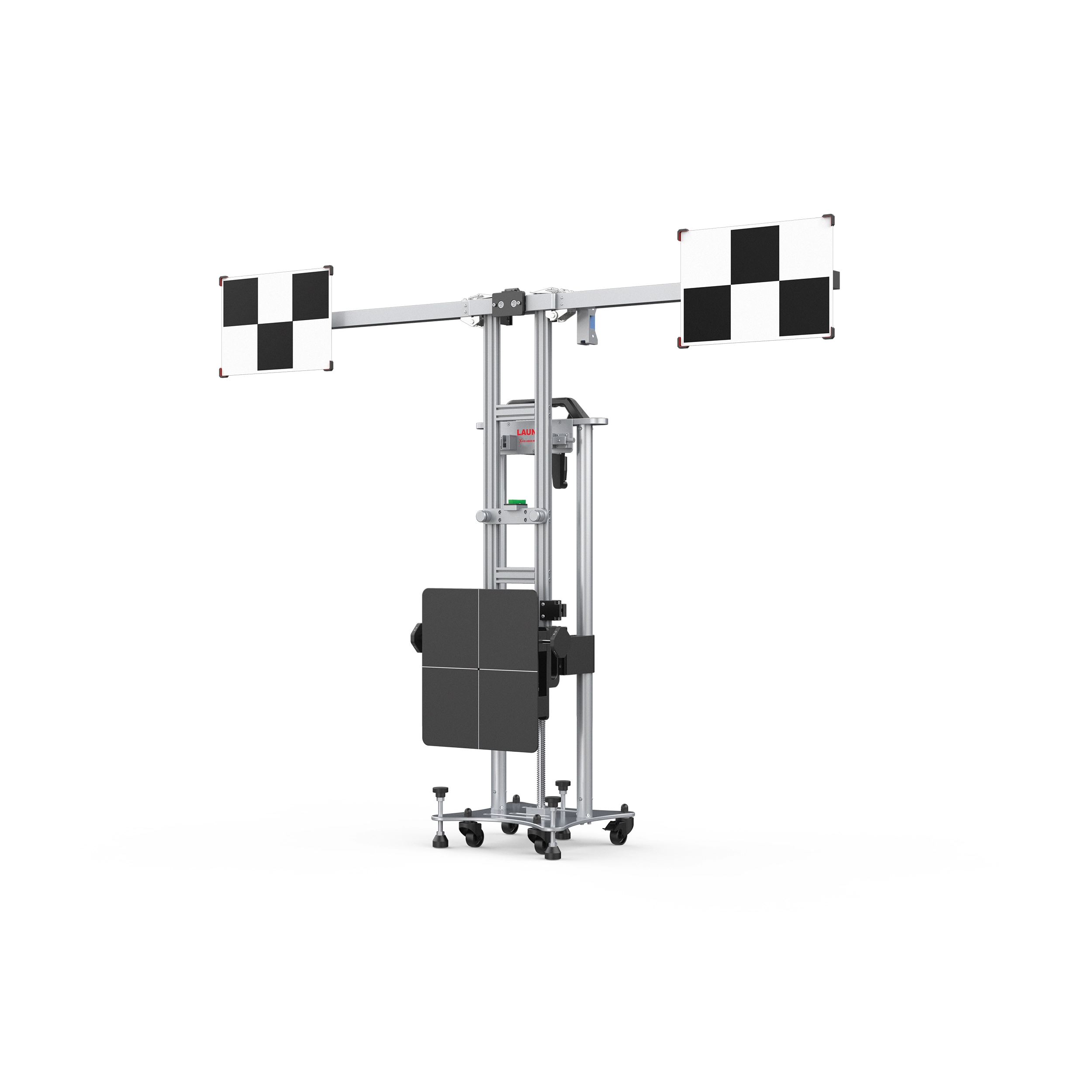
Launch Tech USA ADAS Mobile Plus LDW
$9,995.99 Add to cart -
Launch Tech USA Adas Premium Plus Package – LAUADASPREPLS
$24,095.00 Add to cart -
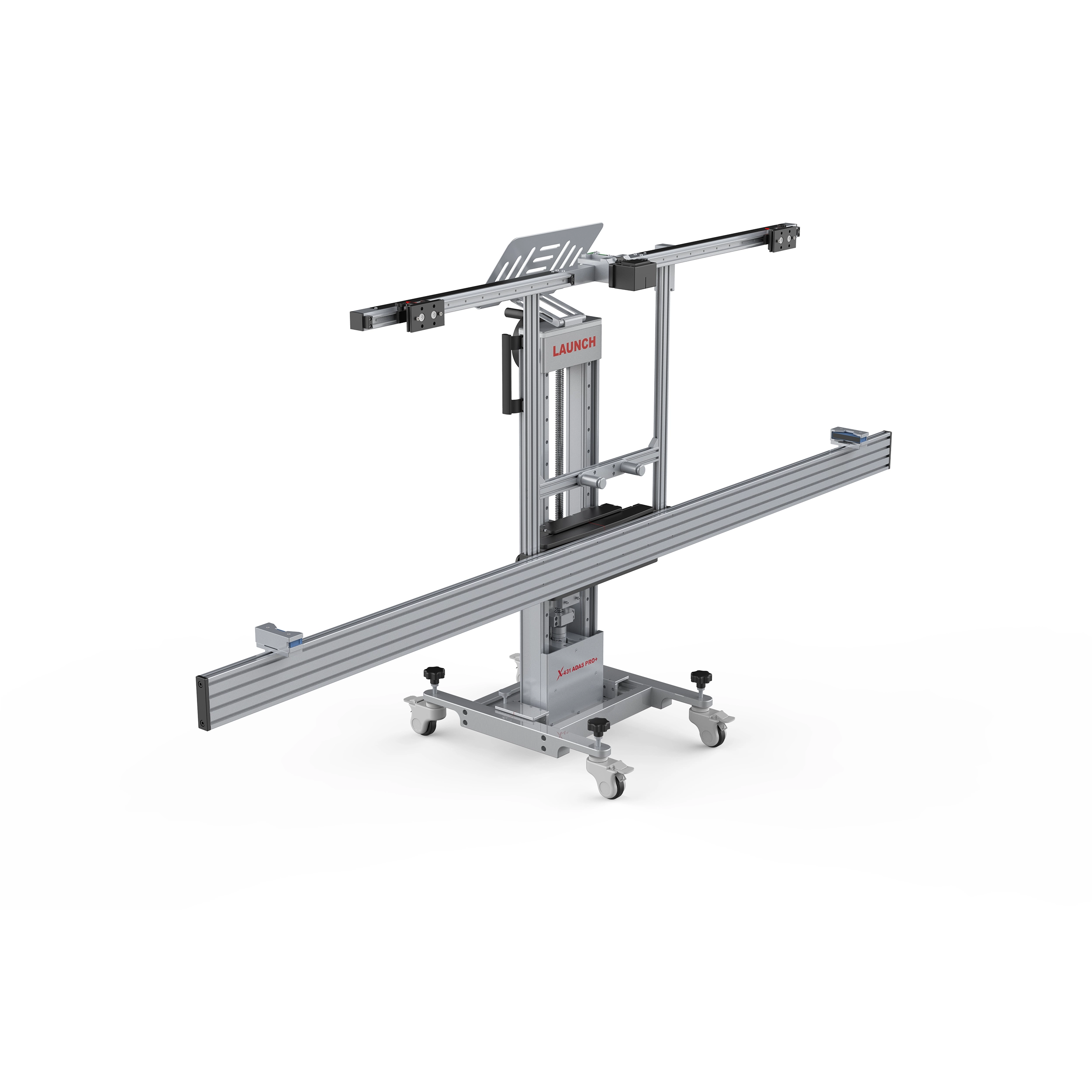
Launch Tech USA ADAS Pro Plus Premium Configuration
$34,415.37 Add to cart -

Launch Tech USA ADAS UPGRADE
$1,099.99 Add to cart -
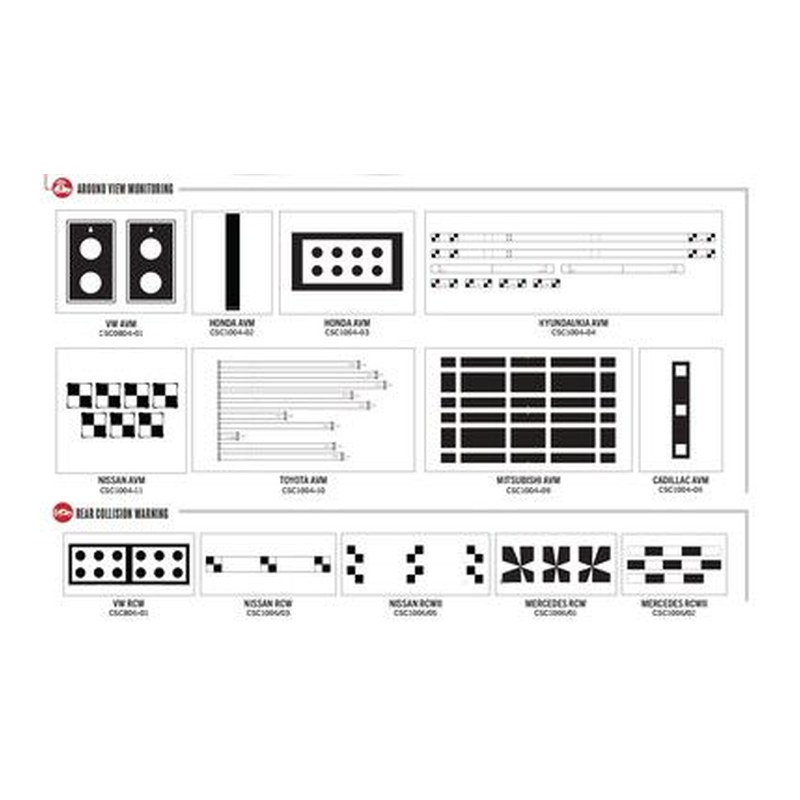
Launch Tech USA American Avm Target Set
$1,899.99 Add to cart -
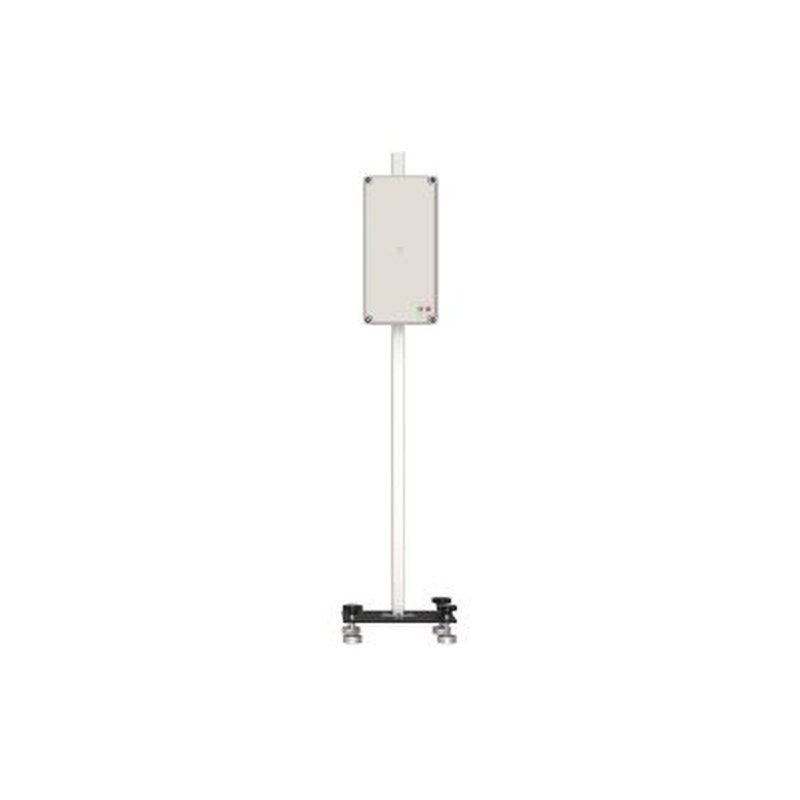
Launch Tech USA Doppler Simulator (LAC05-04) ADAS
$1,052.62 Add to cart -
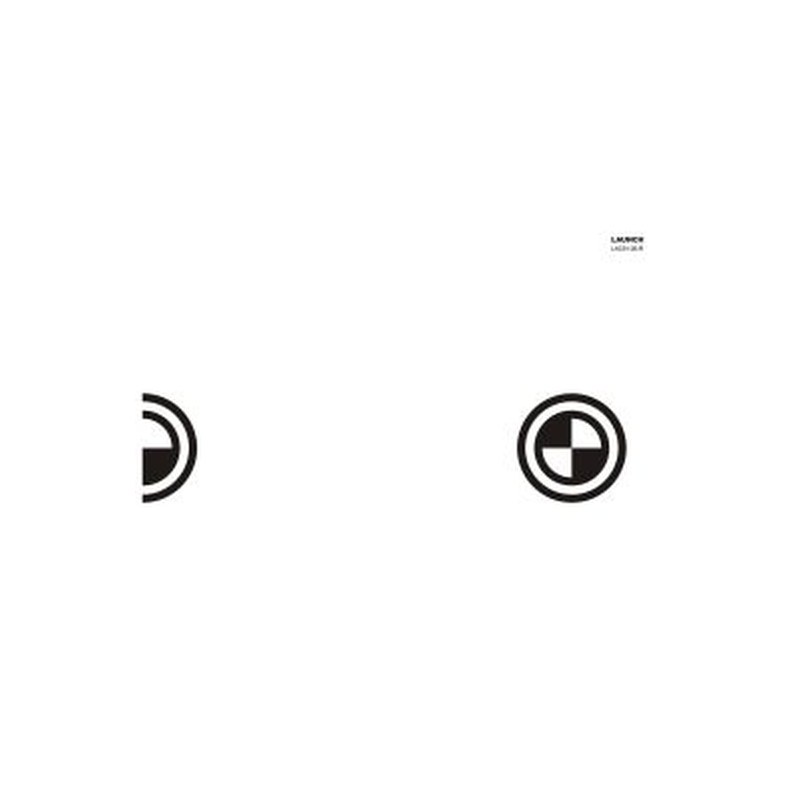
Launch Tech USA Honda Front Camera Targets(LAC01-20 R&L) ADAS
$1,052.62 Add to cart -
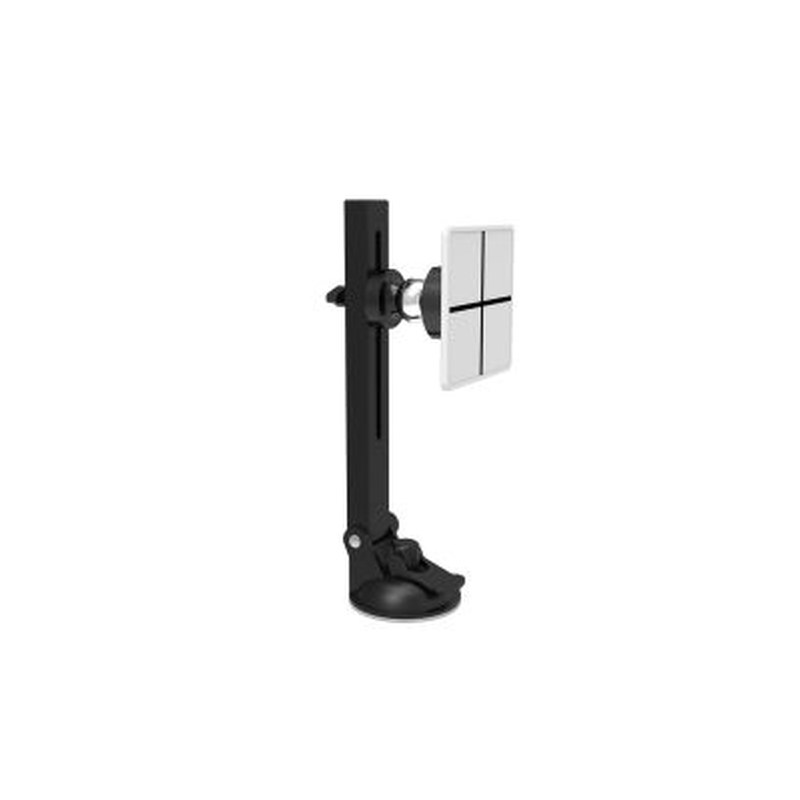
Launch Tech USA Hyundai/Kia Front Camera Target (LAC01-13) ADAS
$215.78 Add to cart -

Launch Tech USA Mitsubishi Around View Monitoring Target Mat ADAS
$573.67 Add to cart -

Launch Tech USA Mitsubishi Front Camera ADAS Target (LAC01-19) ADAS
$663.15 Add to cart -

Launch Tech USA Nissan Around View Monitoring 2 Target Mat ADAS
$247.36 Add to cart -
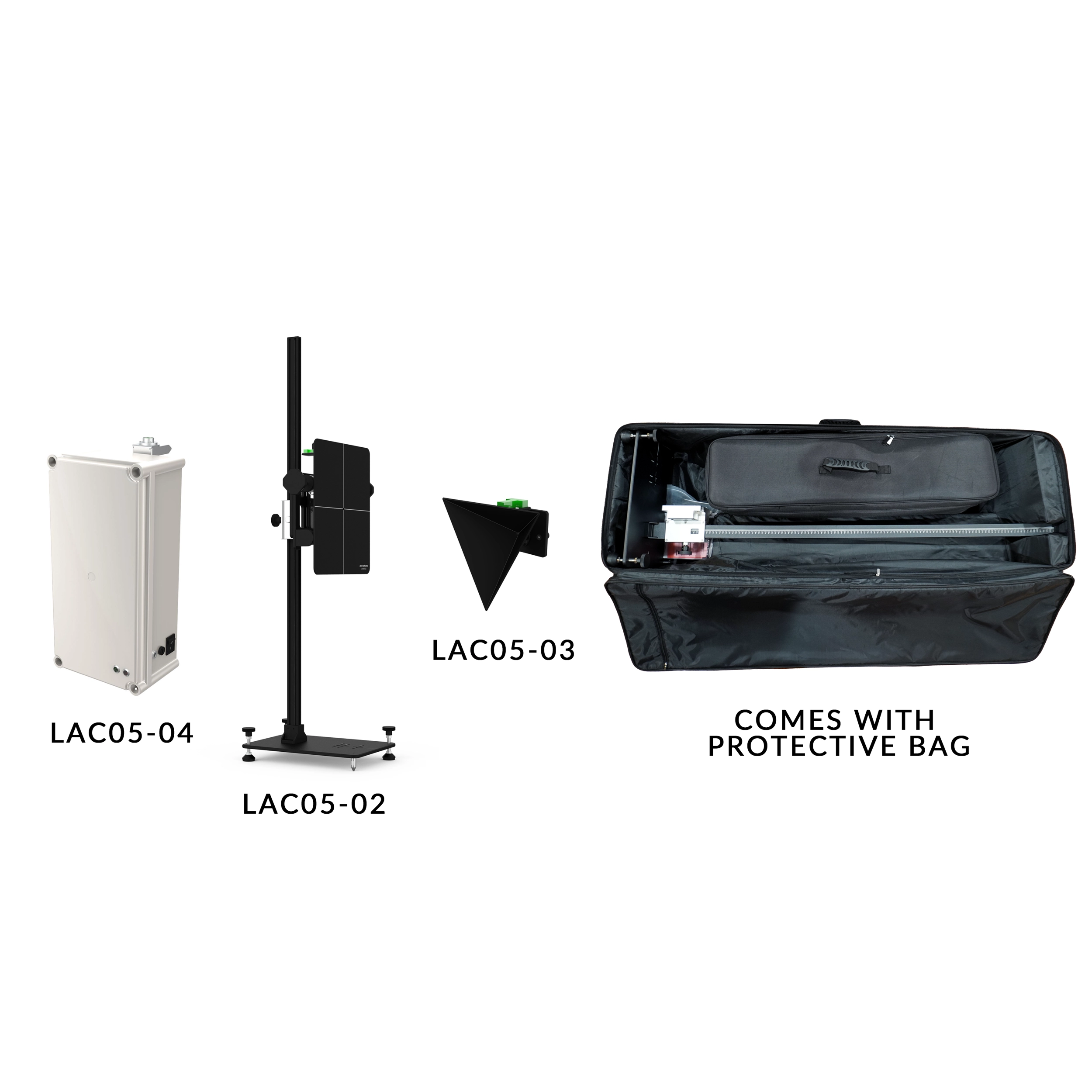
Launch Tech USA Radar 3 in 1 (ACC + Doppler + Corner Reflector) Set with Bags
$4,399.99 Add to cart -

Launch Tech USA Romeo Front Camera single target configuration LAM01-11
$849.99 Add to cart -

Launch Tech USA Suzuki Front Camera Target(LAC01-18) ADAS
$663.15 Add to cart -
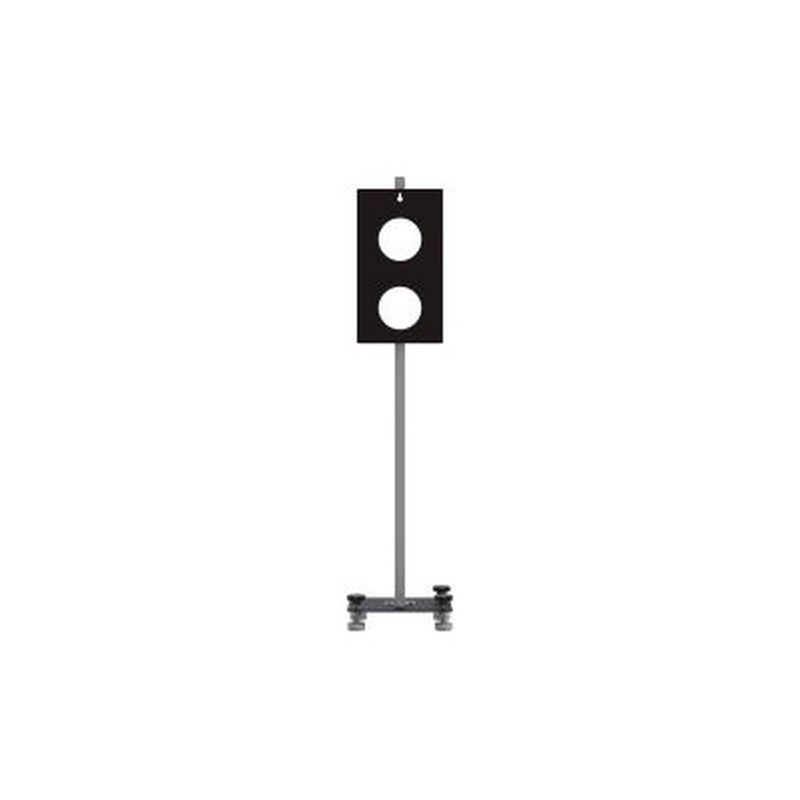
Launch Tech USA Volkswagen Around View Monitoring Target Mat ADAS
$1,015.78 Add to cart -

Launch Tech USA Vw-Rcw Lac02-03
$649.99 Add to cart -
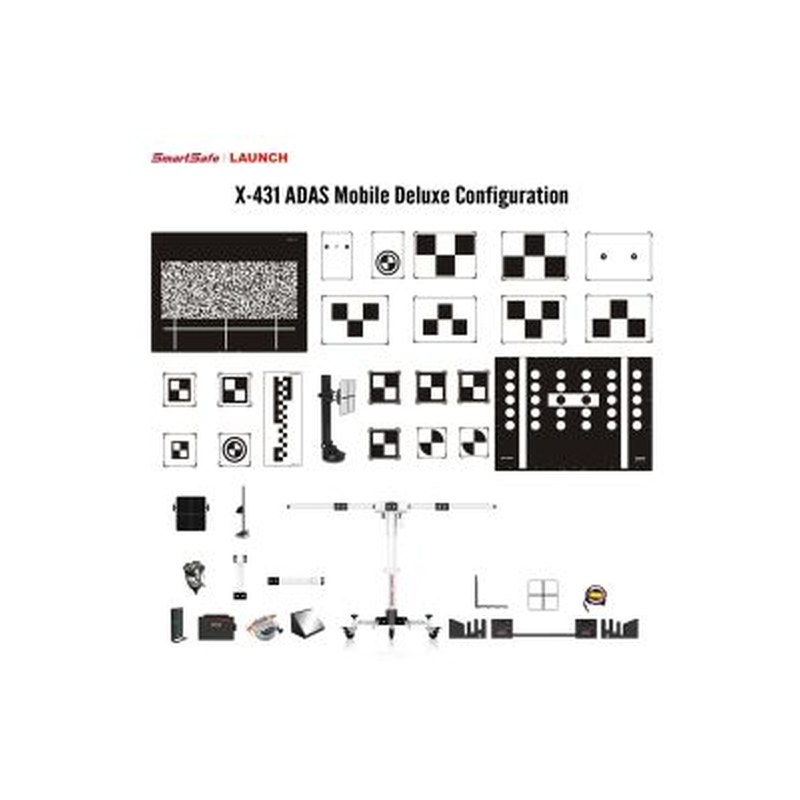
Launch Tech USA X-431 ADAS Hyundai AVM Target LAC04-31
$1,099.99 Add to cart -
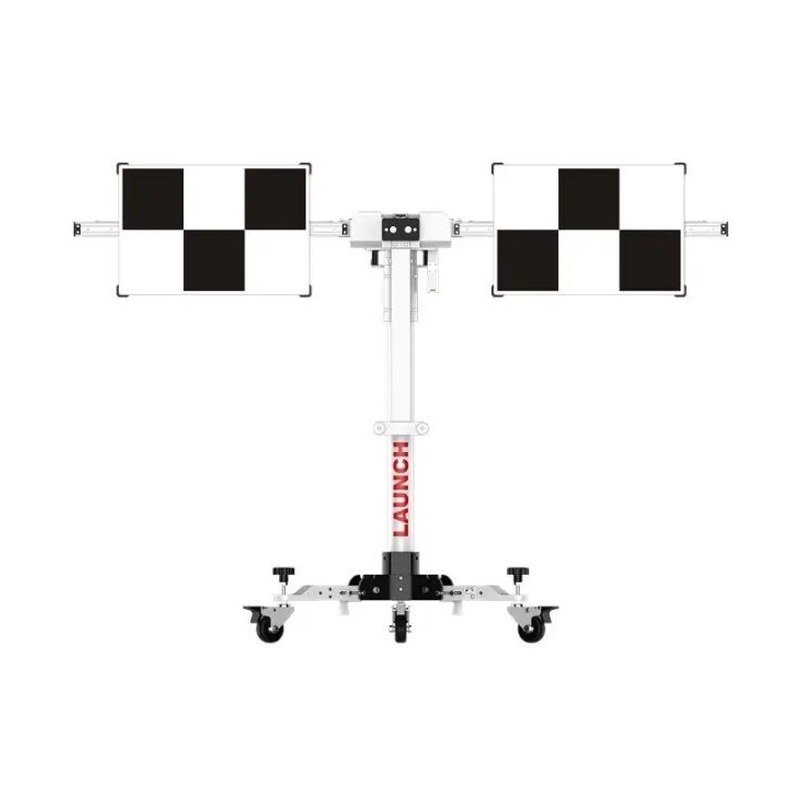
LAUNCH TECH USA X-431 ADAS Mobile – LAU301250044
$8,299.00 Add to cart
Why Shops Choose Launch
Launch's OBD-II coverage spans 10,000+ vehicle models, eliminating the need for multiple brand-specific tools.
Full bi-directional control lets technicians actively test systems, not just read codes passively.
Wireless Bluetooth diagnostics free technicians to work around the vehicle without cable constraints.
Launch Cloud updates deliver the latest vehicle coverage automatically, keeping tools current without manual intervention.
Built-in ADAS calibration workflows guide technicians through precise reset procedures for camera and radar systems.
Launch ADAS Calibration Tools: The Professional Shop Guide to Smarter, Faster Safety System Calibration
What Launch Brings to the ADAS Calibration Market
Launch Tech has spent decades building a reputation as one of the most versatile and accessible professional diagnostic tool brands in the industry. When ADAS calibration became a mandatory service requirement ÔÇö driven by the rapid proliferation of forward-facing cameras, radar sensors, ultrasonic arrays, and lane-keeping systems across commercial and passenger vehicles ÔÇö Launch moved deliberately into the space with dedicated calibration hardware and software that integrates tightly with their existing scan tool ecosystem. For shops already invested in Launch diagnostic platforms, the calibration extension feels like a natural evolution rather than a disruptive change in workflow.
The brand's approach centers on combining a capable software platform with physical target frames, pattern boards, and radar reflectors that meet OEM calibration geometry specifications. Unlike some competitors that treat calibration as a standalone, isolated product line, Launch has worked to unify the calibration process within their X-431 diagnostic environment. This means technicians can pull fault codes, identify which ADAS systems require calibration, and then transition into the guided calibration procedure from a single device ÔÇö reducing the chance of missed steps and minimizing the cognitive load on the technician running the job.
For B2B buyers ÔÇö fleet maintenance managers, shop owners sourcing equipment for multiple bays, and mobile calibration technicians building a service offering from scratch ÔÇö Launch offers a compelling combination of brand reliability, broad vehicle coverage, and a support infrastructure that spans North America. The investment is not trivial, but the return in billable calibration hours is real and measurable from the first week of operation.
The Core Launch ADAS Product Lineup
Launch's ADAS calibration offerings are anchored by their ADAS Professional calibration frame system, designed to work in conjunction with X-431 series scan tools. The calibration frame is a floor-standing, adjustable target board support structure that can accommodate multiple calibration patterns ÔÇö forward-facing camera targets, blind spot radar reflectors, and surround-view pattern boards. The system is engineered for repeatability, meaning the frame positions and target heights can be precisely set and re-set to match OEM specifications for each vehicle make and model. This consistency is critical: a target that is off by even a few millimeters can push a recalibrated camera outside its functional alignment window, leading to callback repairs and liability exposure.
On the software side, the X-431 ADAS module provides vehicle-specific guided procedures that walk technicians through the full calibration workflow. This includes pre-conditions (vehicle must be on level ground, tire pressures nominal, steering wheel centered), target placement instructions with precise measurements, and post-calibration verification routines. The software is regularly updated to add coverage for newly released vehicle models and ADAS configurations, which is a significant operational consideration for shops serving late-model commercial fleets. Launch's SmartLink remote diagnostic capability also allows for remote assistance during complex calibration cases ÔÇö a meaningful feature for independent shops without in-house ADAS specialists.
Launch also offers more compact, entry-level ADAS accessories for shops that are beginning to build calibration capabilities incrementally. These can be paired with existing X-431 diagnostic tablets to perform static calibrations on the most common vehicle types without the full professional frame investment. While these lighter configurations have coverage limitations, they allow shops to start billing for calibration work immediately while planning for a fuller system buildout.
Why ADAS Calibration Is Now a Core Shop Revenue Line
The regulatory and OEM service requirement landscape has shifted decisively. Any repair involving a windshield replacement, front-end collision repair, suspension alignment, or sensor replacement now triggers mandatory ADAS recalibration on a growing list of vehicle makes and models. Insurance carriers and fleet risk managers are increasingly aware of this requirement, and they expect documented proof that calibration was performed correctly after covered repairs. Shops that cannot perform calibration in-house must subcontract the work ÔÇö giving up margin and introducing scheduling delays that frustrate both customers and estimators.
For heavy-duty truck repair shops and commercial fleet maintenance facilities, the volume of ADAS-equipped vehicles arriving for service is accelerating rapidly. Modern Class 6, 7, and 8 trucks frequently ship with forward collision warning, automatic emergency braking, adaptive cruise control, lane departure warning, and blind spot detection as standard or near-standard equipment. Every one of those systems may require recalibration after routine service events like chassis alignment, front axle work, or windshield glass replacement. A shop running ten or more commercial trucks through service per week has a material calibration revenue opportunity sitting untapped if they are still subcontracting this work.
Mobile calibration technicians serving dealerships, body shops, or fleet yards have found the Launch platform particularly well-suited to their workflow needs. The calibration frame breaks down for transport, the software runs on a portable tablet, and the guided procedures reduce the risk of errors that come with working in unfamiliar facility environments. The ability to serve multiple customer locations with one equipment investment is a strong business case for mobile operators, and Launch's broad vehicle coverage makes it realistic to serve a geographically diverse customer base without constantly running into gaps.
Vehicle and System Coverage: What Launch Calibrates
Launch ADAS coverage spans a wide range of domestic, Asian, and European passenger vehicle platforms, and the brand has made meaningful progress on commercial vehicle and light-to-medium duty truck coverage. Supported ADAS systems typically include forward-facing camera calibration (static and dynamic), front radar calibration, rear camera and radar systems, blind spot monitoring (BSM) sensors, lane keep assist (LKA) systems, surround view camera systems, night vision cameras, and head-up display (HUD) alignment on supported models. The coverage database is maintained through regular software updates, and Launch publishes compatibility information through their dealer network and online portal.
For shops specializing in commercial trucks, it is important to verify specific coverage for the brands and model years in your service bay before purchasing. Launch has been expanding its heavy-duty truck coverage, but the commercial vehicle segment involves OEM-specific calibration protocols (Bendix, Mobileye, Wabash, and others) that require dedicated software modules in addition to the physical calibration targets. Engaging with a Launch distributor to walk through a specific coverage check against your customer vehicle mix is a recommended pre-purchase step for commercial-focused operations.
- Forward-facing camera calibration (static pattern board and dynamic drive calibration)
- Front and rear radar sensor calibration
- Blind spot monitoring (BSM) left and right sensor calibration
- Lane departure warning and lane keep assist systems
- Surround view and 360-degree camera system calibration
- Adaptive cruise control (ACC) radar alignment
- Parking sensor and ultrasonic system verification
- Head-up display (HUD) calibration on supported models
Software Platform, Updates, and Technical Support
The Launch ADAS software environment is managed through their online update portal, which allows registered tools to receive procedure database updates, new vehicle coverage additions, and platform improvements. Update frequency matters enormously in the ADAS calibration space because new vehicle models arrive continuously, and OEMs sometimes revise calibration procedures for existing platforms after field experience reveals issues. A calibration tool that is not updated within the first year of purchase can develop significant coverage gaps that limit billable work and require workarounds or subcontracting.
Launch offers tiered software subscription and update packages through their authorized dealer network. It is critical to understand exactly what your purchase includes in terms of update access ÔÇö specifically the duration of free updates, what triggers subscription renewal requirements, and what the renewal cost structure looks like. Shops that are projecting a five-to-seven-year equipment lifecycle need to factor software maintenance costs into the total cost of ownership calculation, not just the initial hardware purchase price.
Technical support is available through Launch's North American operations and their authorized dealer and distributor network. For shops running high-volume calibration operations, the quality of support access is a significant operational factor. Launch's integration of SmartLink remote diagnostics creates a pathway for real-time remote assistance on difficult calibration cases, which can be the difference between completing a job same-day and scheduling a callback. Prospective buyers should ask their distributor specifically about local support availability, escalation pathways for urgent calibration issues, and the typical response time for technical support cases.
How Launch Compares to Alternative Calibration Platforms
The professional ADAS calibration market includes several well-established players: Autel, Snap-on, Hunter Engineering, and OEM-specific platforms like Toyota TechStream, Ford IDS, and GM GDS2. Each approach has a distinct value proposition. OEM tools offer the deepest possible integration with a single brand's vehicle systems but require separate purchases for every make you service ÔÇö a cost structure that is only viable for dealerships or single-brand specialists. Hunter's ADAS calibration systems are widely respected for accuracy and throughput in high-volume body shop environments but represent a substantially higher capital investment that may not be justified for general repair shops.
Autel is the most direct competitive comparison for Launch in the aftermarket multi-brand calibration space. Both brands offer integrated diagnostic-and-calibration platforms with broad OAE coverage, and both target independent shops and fleet maintenance facilities. The decision between Launch and Autel often comes down to existing tool investment (shops already running X-431 platforms lean toward Launch; shops on MaxiSYS platforms lean toward Autel), specific vehicle coverage needs, local dealer support quality, and personal workflow preferences. Technicians who have used both platforms frequently note that the guided procedure quality and target positioning instructions are comparable between the two brands, making support access and coverage depth the deciding factors.
For shops considering Snap-on calibration equipment, the primary trade-off is price versus depth of integration with the Snap-on diagnostic ecosystem. Snap-on tools carry a premium that is often justified by the quality of technical support and the robustness of U.S.-based training resources. Launch offers a more accessible price point that makes ADAS calibration viable for smaller operations and mobile technicians who cannot absorb the Snap-on investment structure.
Real-World Workflow: A Calibration Job From Start to Finish
Understanding how a Launch ADAS calibration actually flows through a service bay helps shops plan space requirements, technician training needs, and throughput expectations. A typical static forward camera calibration begins with the technician connecting the X-431 tablet to the vehicle's OBD-II port and running a full system scan. If fault codes related to camera systems or ADAS modules are present, those are documented before calibration begins ÔÇö this is important for liability documentation purposes and for identifying whether any underlying sensor damage exists that would invalidate the calibration.
With pre-conditions verified (vehicle on a level surface, tire pressures correct, steering centered, the vehicle sitting at curb weight without passengers or cargo load), the technician positions the Launch calibration frame in front of the vehicle using the on-screen placement instructions, which specify precise distances and lateral alignment relative to the vehicle centerline and sensor location. The target pattern board is mounted on the frame at the specified height, and the software initiates the camera calibration routine. Depending on the vehicle and system, this process takes roughly fifteen to forty-five minutes from setup to verification ÔÇö a significant time commitment that must be priced appropriately in the shop's calibration labor rate.
Post-calibration verification involves a final system scan to confirm no new fault codes have been introduced, a test drive on supported dynamic calibration systems, and documentation output that can be provided to the customer as proof of service. Launch's software generates a calibration report that includes vehicle identification, calibration procedure performed, technician ID, and date ÔÇö documentation that is increasingly required by insurance carriers and fleet risk managers as part of their repair approval and audit processes.
Buying Considerations for Shops and Fleet Operations
Before committing to a Launch ADAS calibration system, shops should conduct a structured evaluation that goes beyond the initial hardware cost. The following considerations should drive the purchase decision for professional B2B buyers:
- Vehicle mix coverage audit: Run your current customer vehicle list against Launch's published coverage database. Identify any significant gaps in the makes, models, or ADAS systems you regularly service. Coverage gaps that affect more than ten to fifteen percent of your service volume are a meaningful risk factor that should be addressed before purchase, either through verified future coverage commitments from Launch or by identifying which gaps can be bridged with OEM tools.
- Facility space requirements: Static calibration requires a minimum bay depth and width that varies by vehicle type. Confirm your available floor space meets the geometry requirements for the vehicle categories you service most frequently. Some large commercial vehicles require significantly more clearance than the minimums needed for passenger cars.
- Software update structure: Get in writing exactly what update access is included with the initial purchase, the renewal cost after the included period, and whether coverage expansion (new vehicle models, new ADAS systems) requires additional module purchases or is included in the base subscription.
- Technician training plan: ADAS calibration is a precision procedure with real liability implications. Budget for formal technician training ÔÇö Launch offers training resources through their dealer network, and third-party ADAS training programs are available through I-CAR and similar organizations. A technician who understands why the pre-conditions and target placement specifications matter will produce consistently better calibration outcomes than one who follows the steps without understanding the underlying principles.
- Local dealer and support access: Evaluate the quality and proximity of your nearest authorized Launch dealer. When equipment fails or software issues arise mid-job, local support that can respond same-day or next-day is worth more than a marginally lower purchase price from a distant online seller.
- Integration with existing diagnostic tools: If your shop already operates on X-431 diagnostic platforms, the Launch ADAS integration delivers workflow efficiency advantages that justify weighting it favorably against competitive alternatives at similar price points.
- Labor rate and ROI modeling: Calculate your expected calibration revenue based on current and projected job volume, your planned calibration labor rate, and realistic job throughput per day given bay space and technician availability. Compare that to the total cost of ownership including hardware, software subscriptions, and training. Most shops with meaningful ADAS-equipped vehicle volume find the payback period is measurable in months, not years.
For fleet maintenance facilities managing their own vehicle pools, the calculus is slightly different ÔÇö the primary savings are in reduced subcontracting costs and faster vehicle return-to-service times rather than customer-facing revenue. Either way, the financial case for in-house ADAS calibration capability has become substantially stronger as the proportion of ADAS-equipped vehicles in service bays continues to grow year over year.
Launch ADAS calibration tools represent a serious, professional-grade solution for shops ready to bring this service capability in-house. The brand's integration of calibration into a familiar diagnostic workflow, combined with broad vehicle coverage and accessible pricing relative to some competitors, makes it a compelling choice for independent shops, commercial fleet operations, and mobile calibration professionals who need reliable performance across a diverse vehicle mix. As always, the right buying decision starts with an honest assessment of your specific vehicle coverage needs, facility capabilities, and support requirements ÔÇö and a distributor conversation that goes deeper than the spec sheet.