Mobile ADAS Systems
Professional Mobile ADAS Systems for heavy-duty repair shops, fleets, and mobile technicians — sourced for accuracy, coverage, and uptime.
Featured Mobile ADAS Systems
-
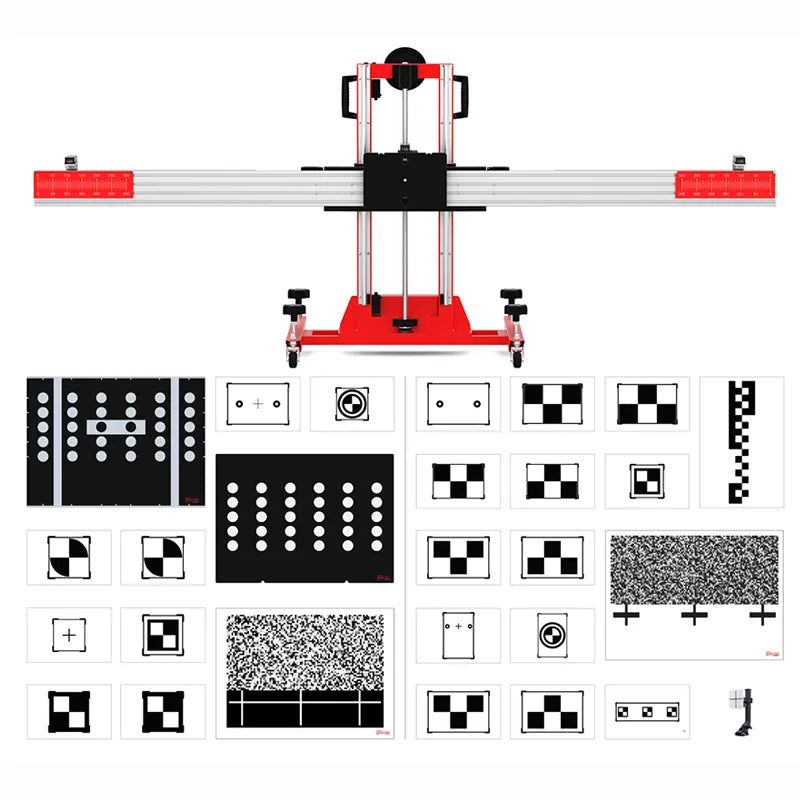
Autel ADAS LDW 2.0
$9,597.78 Add to cart -
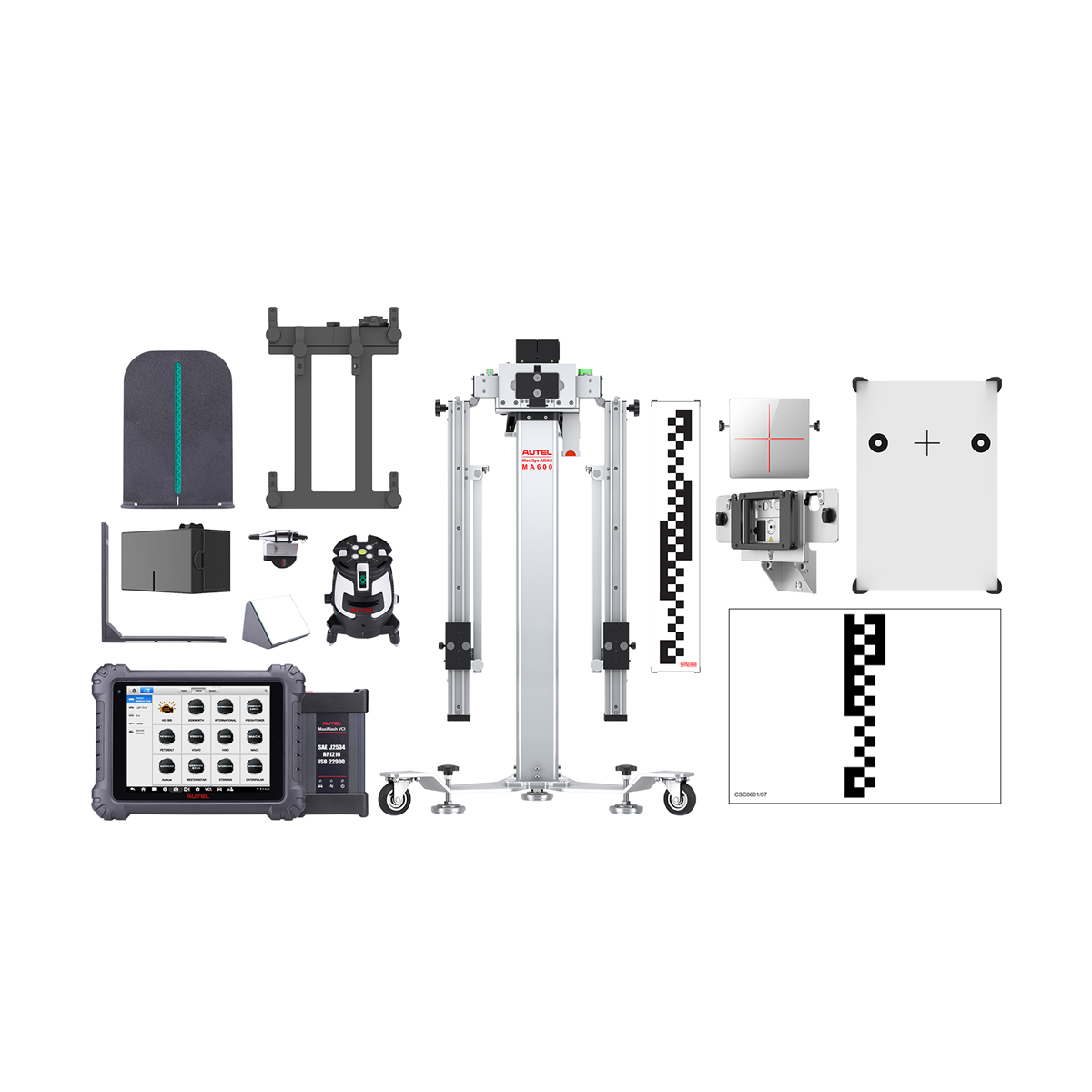
Autel CV ADAS LDW MA600 with MS909CV
$17,230.00 Add to cart -

Autel CV ADAS MA600 Glass Package
$6,359.00 Add to cart -
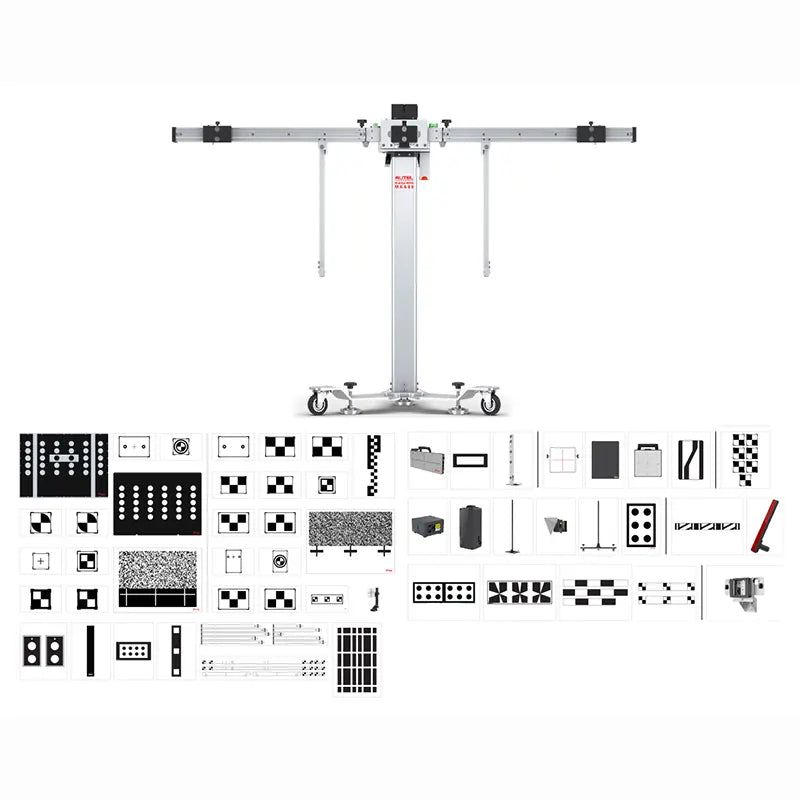
Autel MA600 All Systems 2.0
$23,485.00 Add to cart -
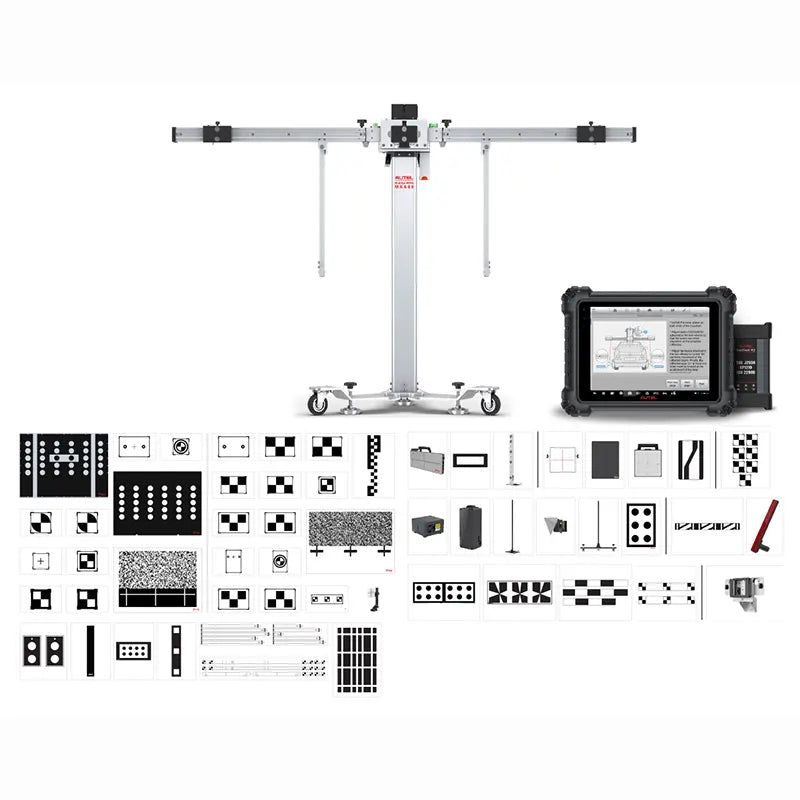
Autel MA600 All Systems 2.0 T
$26,985.00 Add to cart -
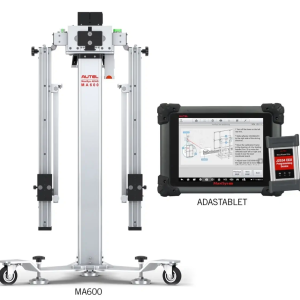
Autel MA600 Core Package
$8,206.88 Add to cart -
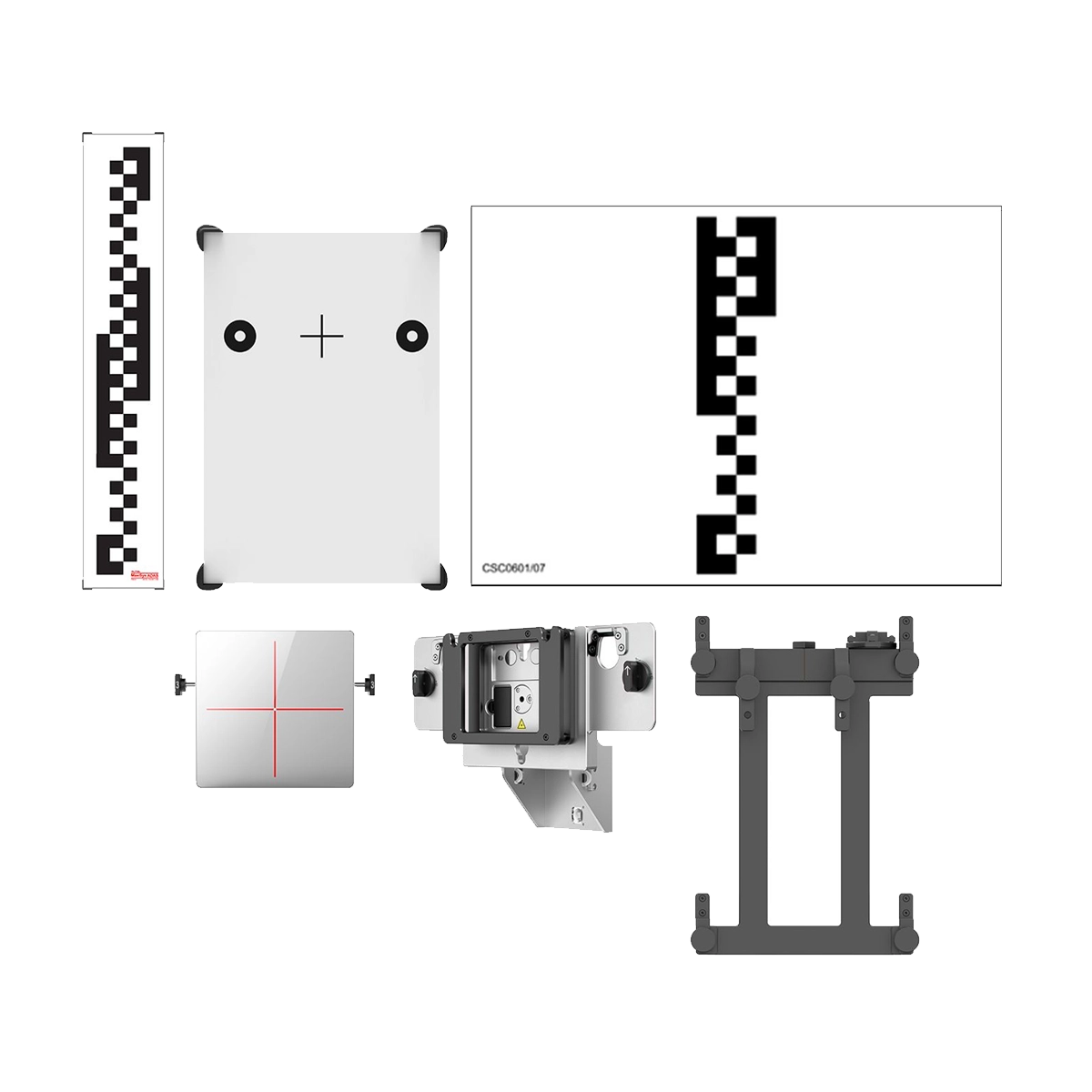
Autel MA600 Frame Commercial Vehicle ADAS Add-On Package (CVMAADD1)
$9,600.00 Add to cart -
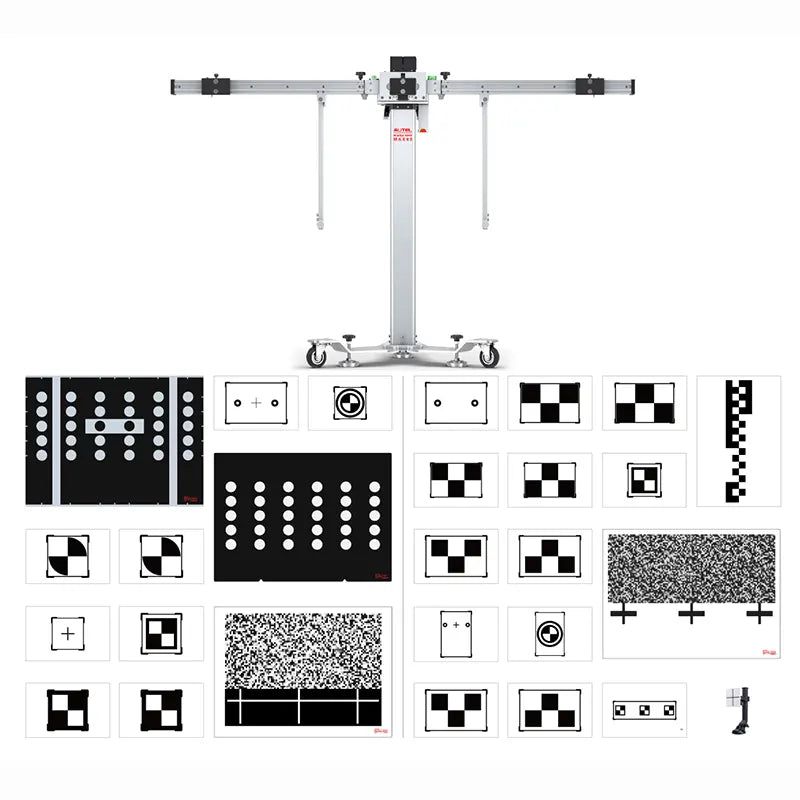
Autel MA600 LDW 2.0
$9,585.00 Add to cart -
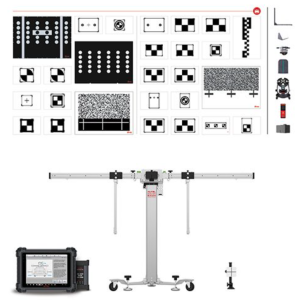
Autel MA600 Mobile Frame ADAS LDW w/ MS909 Tablet
$15,518.00 Add to cart -
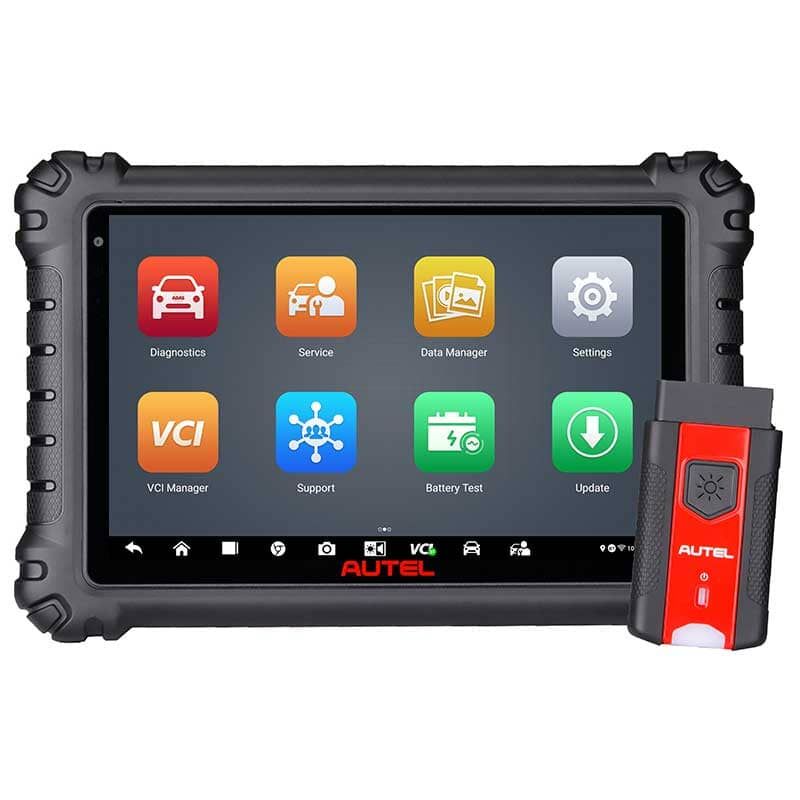
Autel MA600CORE2 Package
$9,485.00 Add to cart -
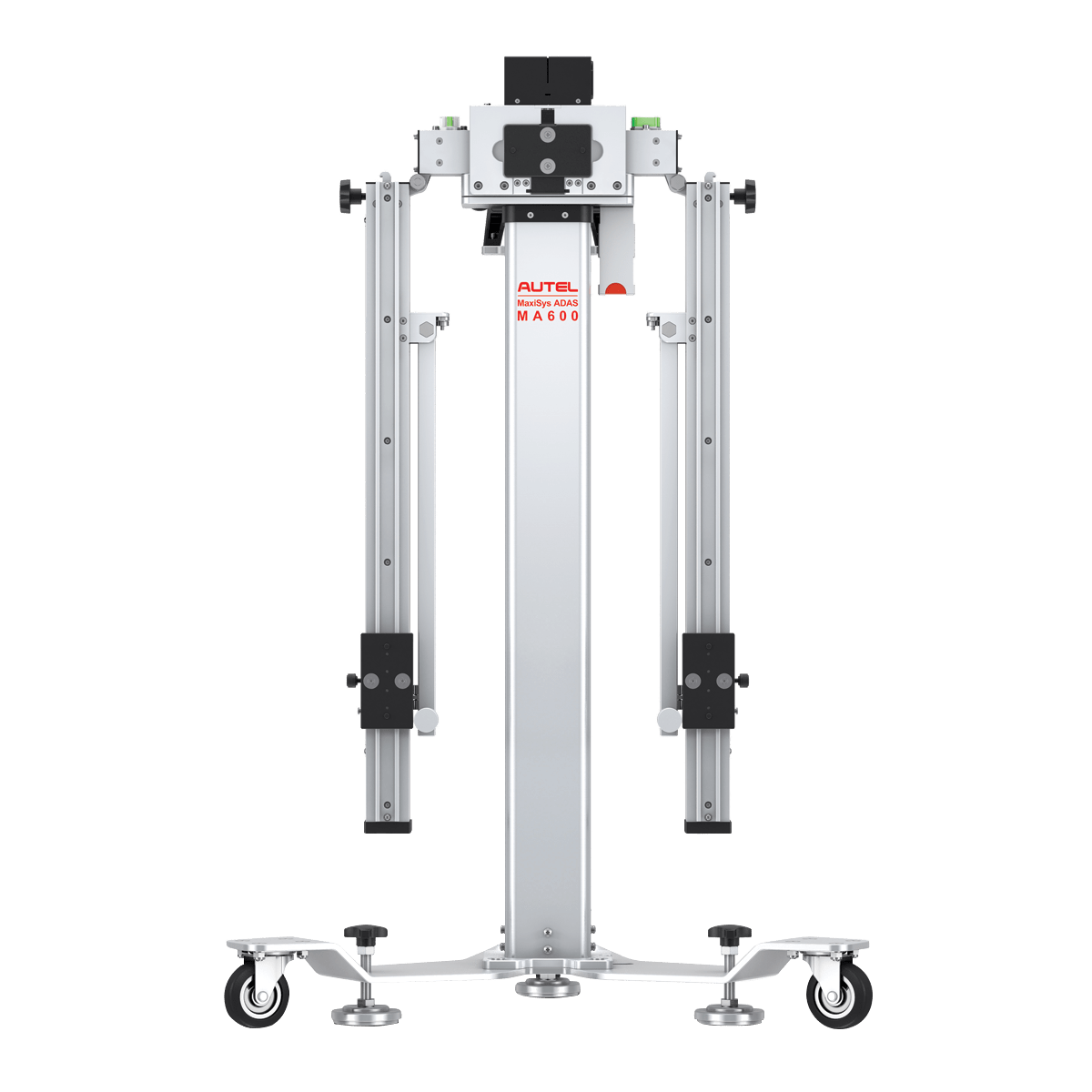
Autel Mobile ADAS System
$9,600.00 Add to cart -
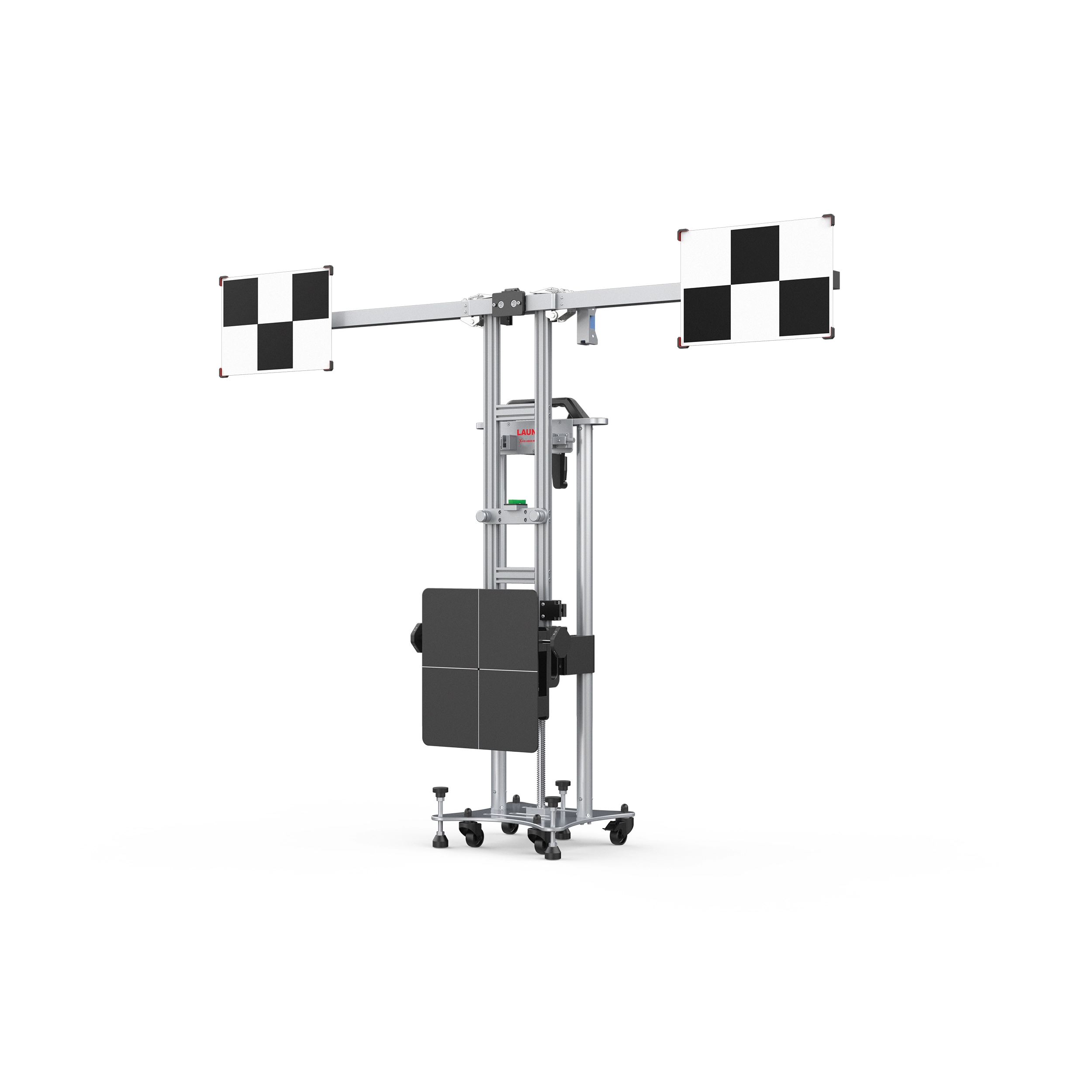
Launch Tech USA ADAS Mobile Plus LDW
$9,995.99 Add to cart -
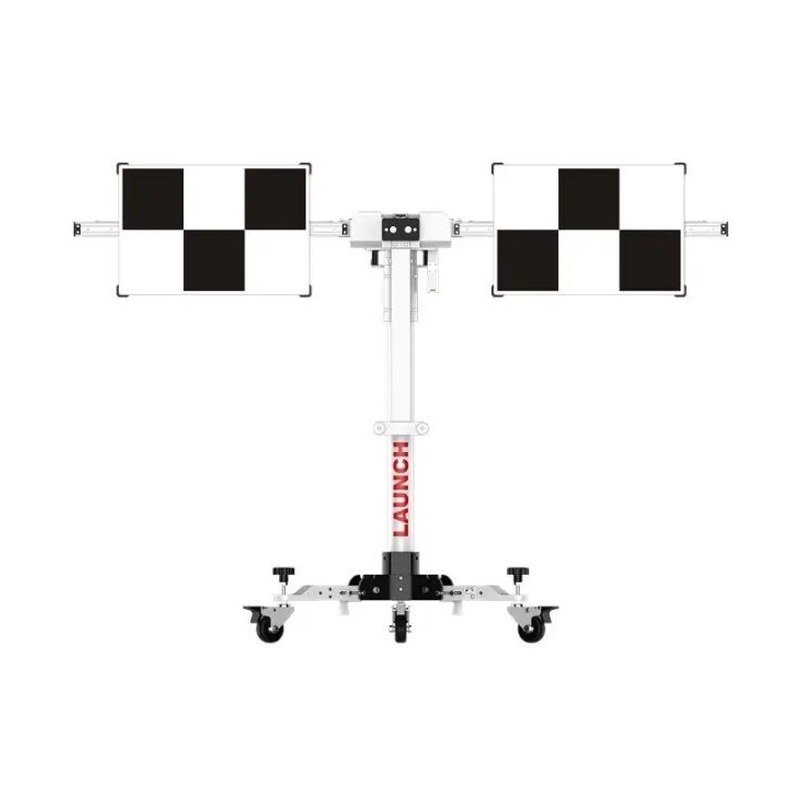
LAUNCH TECH USA X-431 ADAS Mobile – LAU301250044
$8,299.00 Add to cart -
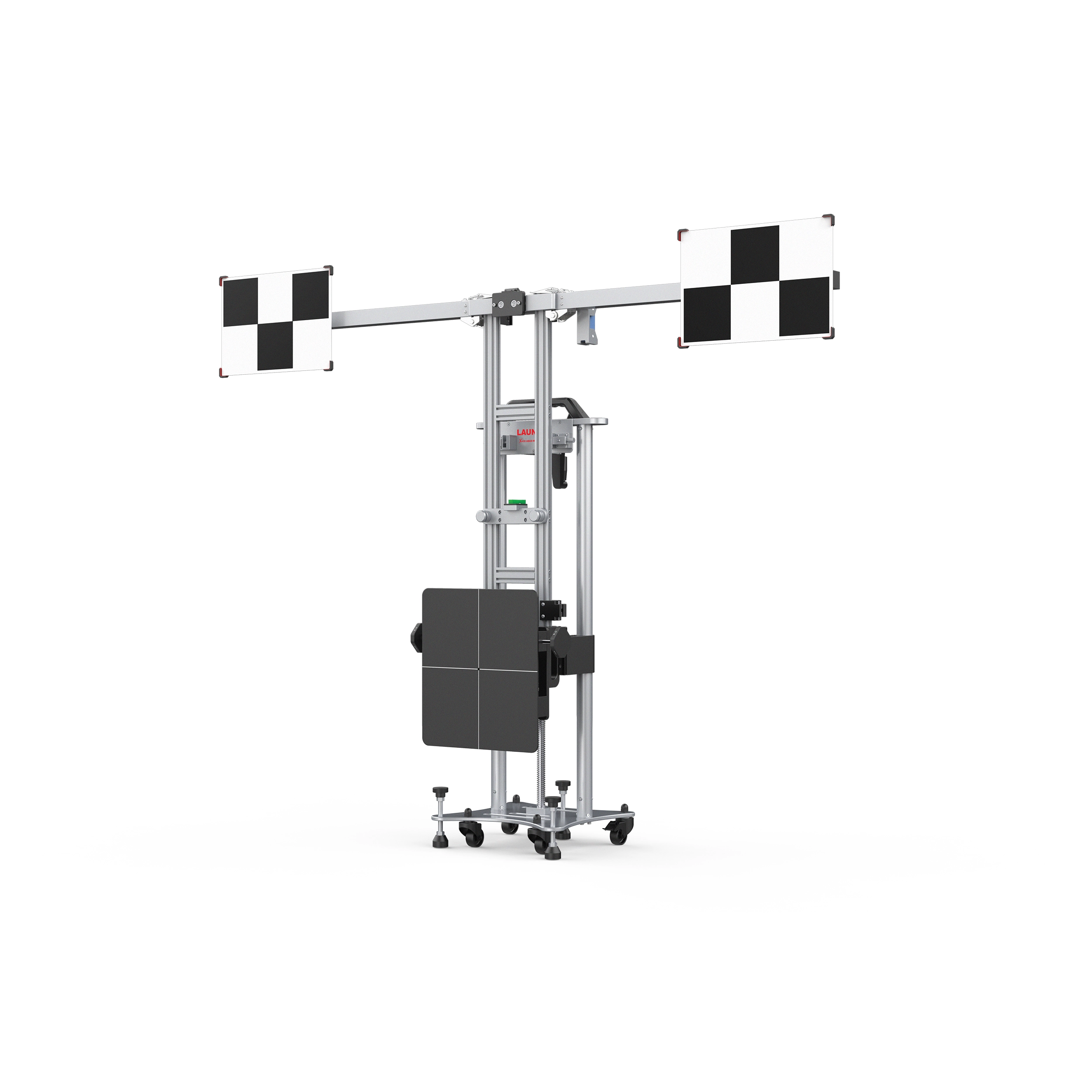
Launch Tech USA X-431 ADAS Mobile Deluxe Configuration
$19,986.99 Add to cart -
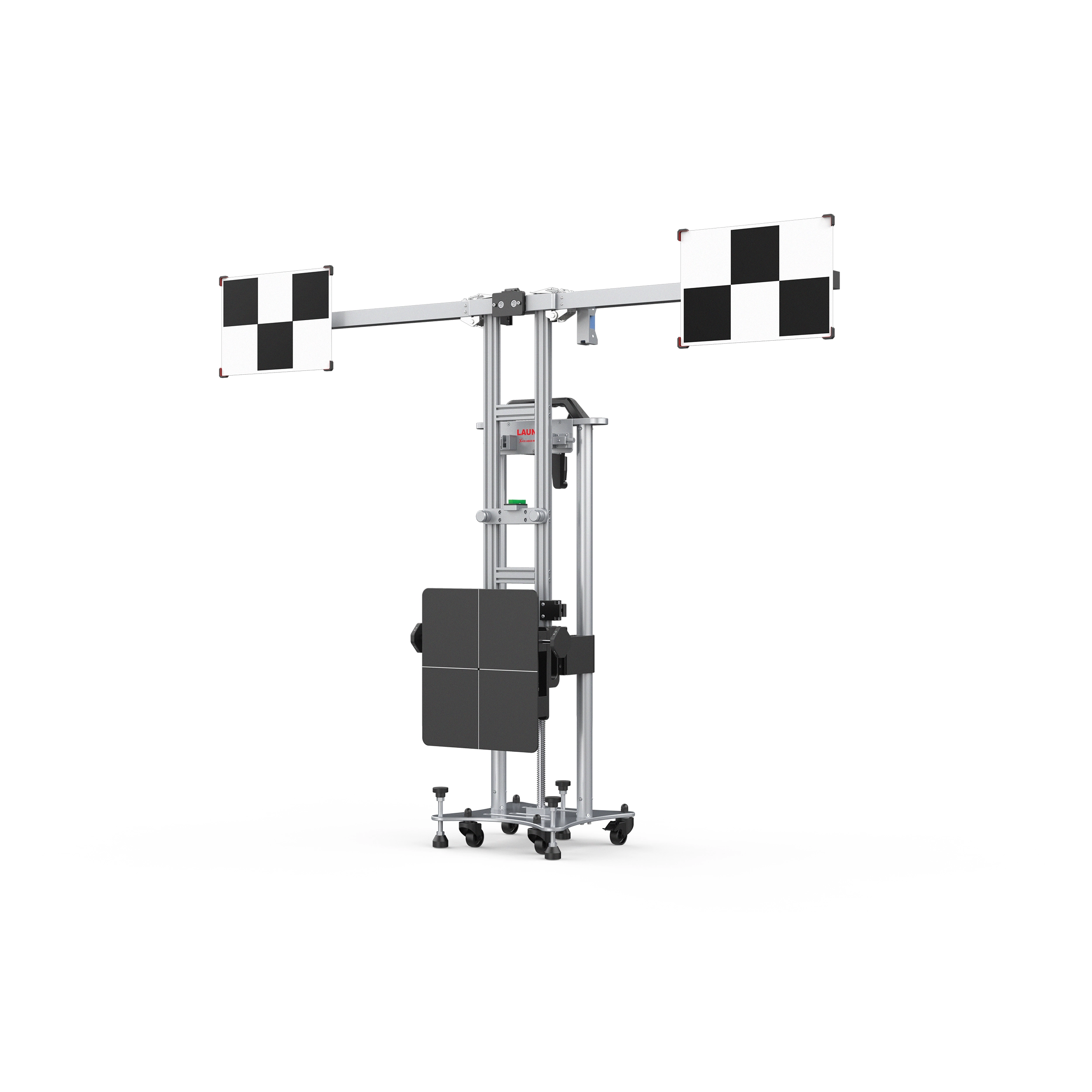
Launch Tech USA X-431 ADAS Mobile Plus LDW Standard Package (with Carry Bag)
$8,999.99 Add to cart -
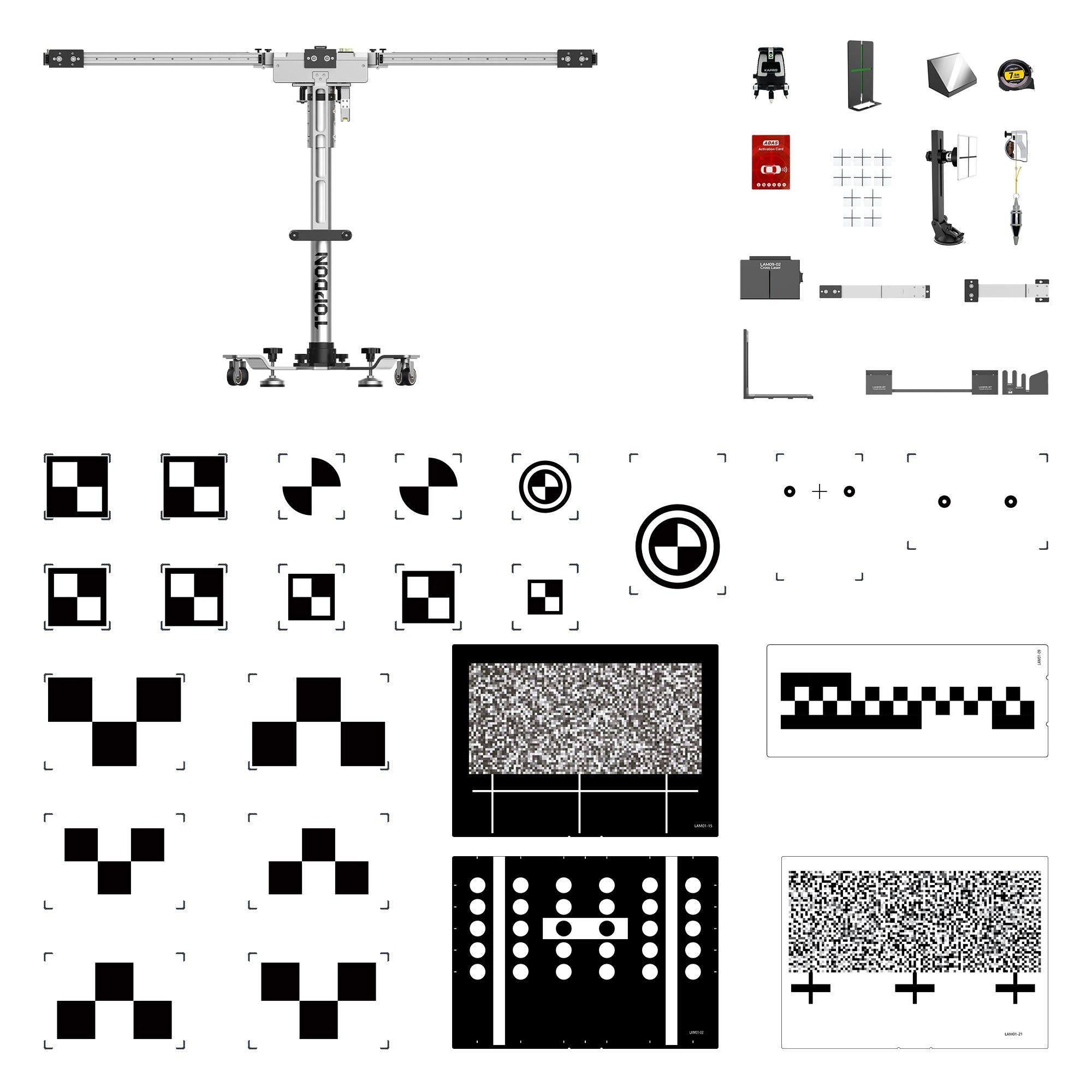
Phoenix ADAS Mobile Basic
$8,596.00 Add to cart -
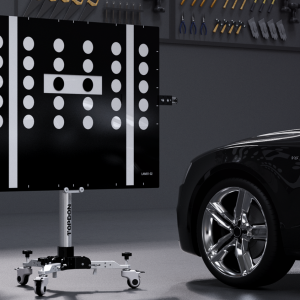
TopDon Mobile ADAS Includes Phoenix Elite Tablet Complete Shop Kit
$12,755.00 Add to cart -
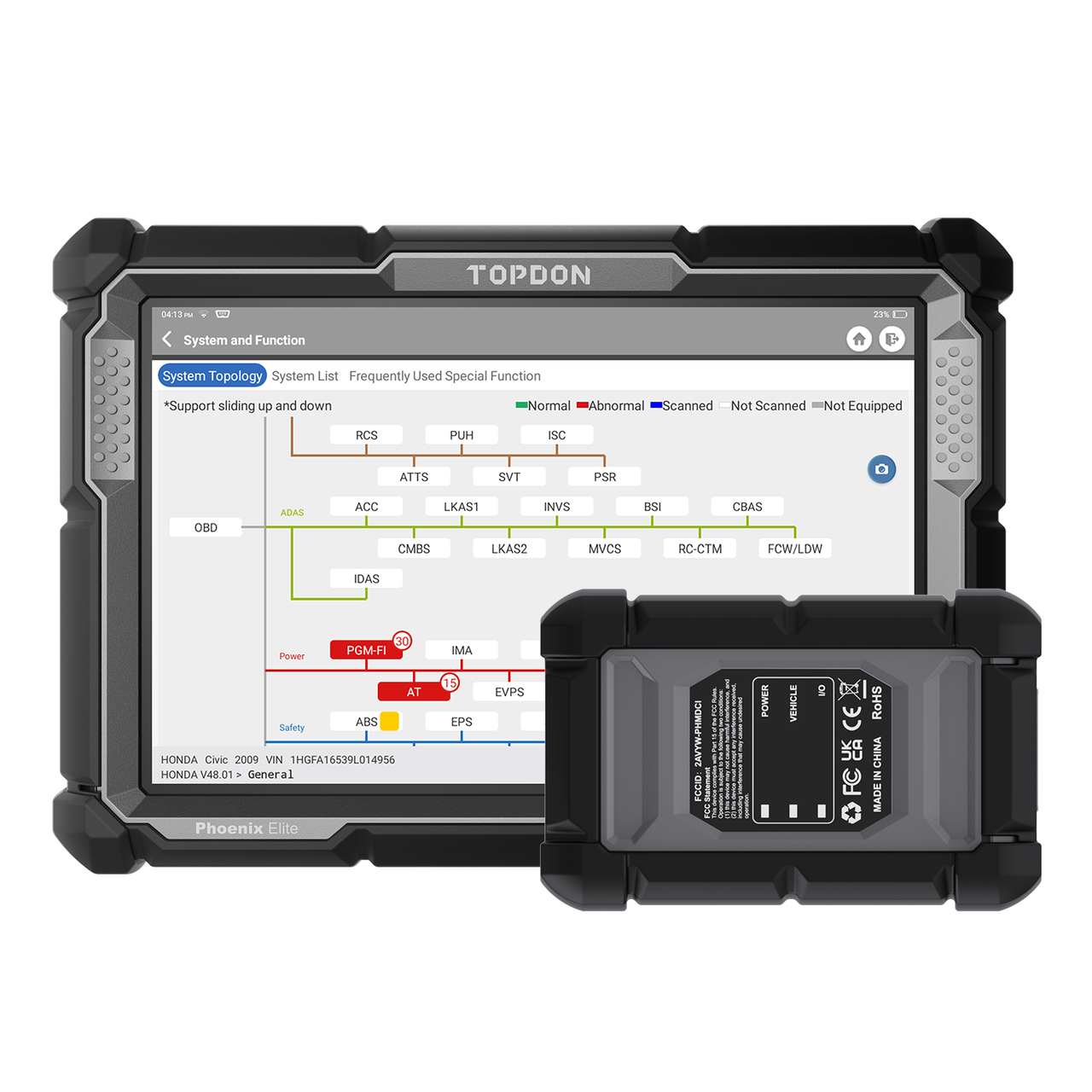
TOPDON Phoenix Mobile ADAS
$9,999.00 Add to cart
Why Shops Choose This Equipment
Deploys in minutes with no fixed frame required, keeping your bay open for other work.
Covers 90%+ of vehicle makes with one portable kit, eliminating multiple tool investments.
Lightweight aluminum construction travels easily, making full ADAS calibration profitable on mobile calls.
Automatic target positioning reduces technician error and speeds calibration to manufacturer specifications consistently.
Built-in software updates ensure compliance with the latest OEM calibration procedures without extra cost.
Mobile ADAS Systems: The Complete Buying Guide for Professional Calibration Shops and Mobile Technicians
What Mobile ADAS Systems Cover and Why They Matter
Advanced Driver Assistance Systems have become standard equipment across a broad spectrum of commercial vehicles, from Class 6 delivery trucks to Class 8 long-haul tractors. Every windshield replacement, front-end collision repair, suspension alignment, or sensor-area body work now carries an obligation to recalibrate the cameras, radars, and ultrasonic sensors that underpin lane departure warning, automatic emergency braking, adaptive cruise control, blind-spot monitoring, and dozens of other safety-critical functions. Mobile ADAS systems are purpose-built rigs that bring that calibration capability directly to the vehicle ÔÇö whether it's sitting in a fleet yard, parked at a dealership, or staged on a mobile service truck ÔÇö rather than requiring the vehicle to travel to a fixed alignment bay.
The mobile ADAS category encompasses the full hardware and software stack needed to perform both static and, in some configurations, dynamic calibration away from a traditional fixed frame setup. Core equipment includes portable target frames (aluminum or carbon fiber wheeled structures that hold reflective or patterned calibration targets), vehicle-specific target boards, laser or wheel-clamp positioning tools for precise frame placement, and the diagnostic software interface that communicates with the vehicle's ECU to trigger calibration routines. Many systems also bundle a tablet or ruggedized laptop loaded with OEM-level or OEM-equivalent calibration software, giving the technician everything needed from a single system.
For heavy-duty truck shops and fleets, the appeal is straightforward: out-of-service time is expensive, and sending a Class 8 tractor to a specialty shop for a single sensor recalibration is operationally disruptive. A well-equipped mobile ADAS rig eliminates that constraint entirely. It also opens a revenue channel for shops that want to offer on-site fleet services, eliminating a sublet that previously walked out the door.
Types of Equipment Found in This Category
Mobile ADAS systems are not a single product ÔÇö they are a configured kit of complementary tools. At the foundation is the target stand or frame system. These range from compact fold-flat designs suited to a service van to heavy-duty wheeled frames capable of handling the larger targets required by commercial truck OEM calibration procedures. Frame rigidity matters enormously: any flex or drift during the calibration window will result in a failed or out-of-spec calibration, so quality systems use aircraft-grade aluminum or carbon fiber extrusions with positive locking joints.
Positioning tools represent the second major component category. Laser projectors, cross-line laser levels, and wheel-clamp centering systems are used to establish the precise lateral and longitudinal relationship between the target and the vehicle's sensors. Some advanced systems integrate digital inclinometers and electronic bubble levels directly into the frame so the technician receives a real-time readout confirming proper target tilt and height before triggering the calibration. This eliminates guesswork and reduces comebacks. Wheel-clamp vehicle centering tools attach to the front axle or hub and project a reference line that anchors target placement to the vehicle's actual centerline ÔÇö critical on trucks where body panels and paint lines are unreliable reference points.
The diagnostic interface layer ÔÇö the software and communication hardware ÔÇö completes the kit. This may be a proprietary OEM dealer-level tool for specific makes, a broad J2534-compatible pass-thru device paired with third-party calibration software, or an all-in-one solution from manufacturers who bundle both hardware and software. Heavy-duty truck applications frequently require heavy-duty specific J1939/J1587 protocols and manufacturer-specific licensing, so confirming software coverage before purchasing is non-negotiable.
How Mobile ADAS Equipment Is Used in a Real Shop Day
A typical mobile ADAS calibration job begins well before the technician opens the van. Coverage confirmation ÔÇö verifying that the specific vehicle year, make, model, and sensor configuration is within the system's supported vehicle list ÔÇö is the first step. Skipping this check is the most common cause of wasted setup time. Once confirmed, the technician stages the vehicle on a flat, level surface. Most OEM calibration procedures specify a maximum floor gradient, typically under one degree of slope, which means concrete shop floors work well but asphalt fleet yards require careful surface selection. Lighting conditions also matter for camera-based systems; direct sun hitting a target from the wrong angle can wash out pattern contrast and cause the vehicle's front camera to fail target acquisition.
Setup follows a defined sequence: attach the wheel-clamp centering tool, deploy and level the target frame, set target height to the procedure-specified dimension, confirm lateral offset, then connect the diagnostic interface and launch the calibration routine. Experienced technicians using a well-designed system can move from vehicle off to calibration in progress in under fifteen minutes. The calibration routine itself is typically hands-off ÔÇö the software exchanges data with the camera or radar ECU, adjusts internal calibration parameters, and logs a pass/fail result with stored documentation. After a successful calibration, the technician removes the tooling, stores it, and produces a printable calibration report for the repair order.
For mobile technicians working from a van or trailer, the workflow demands compact storage, fast setup, and durability. Systems that pack into purpose-built carrying cases with foam cutouts protect the investment on the road. Rolling stands that collapse to under six feet allow a single technician to load and unload without a second person. Shops processing multiple vehicles per day need a system that supports quick target swaps for different sensor heights without re-leveling the entire frame from scratch.
Choosing the Right System for Your Shop Size and Vehicle Mix
The single most important selection criterion is vehicle coverage. A shop that services predominantly Freightliner Cascadias and Kenworth T680s needs confirmed OEM-level calibration routines for Detroit Assurance, Bendix Wingman, Mobileye, and Wabco systems. A fleet shop supporting a mixed Class 3 through Class 8 environment needs far broader coverage. Request the manufacturer's coverage list in writing and cross-reference it against your actual vehicle inventory before committing. Coverage lists are updated frequently as new model years are added, so also confirm the update frequency and whether updates are included in the purchase price or carry an annual subscription fee.
Shop volume drives the decision on frame quality and durability. A shop performing three to five ADAS calibrations per week can reasonably operate a mid-tier system with a lighter aluminum frame. A high-volume shop or mobile operator processing fifteen or more calibrations weekly needs a commercial-grade frame with precision-machined joints, positive-locking telescoping sections, and replaceable wear components. In the heavy-duty segment, the physical size of OEM-specified targets for radar and camera calibration on long-hood trucks can be substantially larger than passenger car targets, requiring a frame with a wider base footprint and greater vertical reach.
For mobile technicians, portability metrics are critical: total packed weight, case dimensions relative to van cargo space, and single-person deployment capability. For in-bay shops, the emphasis shifts toward repeatability and integration with existing alignment equipment. Some shops co-locate their ADAS target stand adjacent to a four-post lift or wheel alignment system to allow sequential calibration and alignment workflows on the same vehicle without repositioning the truck.
Compatibility and Integration Considerations
Mobile ADAS systems must integrate with three distinct layers: the vehicle's communication network, the shop's existing diagnostic tooling, and the documentation workflow. On the vehicle side, heavy-duty trucks use a mix of CAN bus, J1939, and proprietary OEM protocols. Confirm that the pass-thru device or integrated diagnostic tool supports both the physical connector type (typically a 9-pin Deutsch for HD trucks alongside a 16-pin OBD-II port) and the software-level protocol required by the specific ADAS module. Some truck ADAS modules require OEM factory scan tools or authorized dealer software ÔÇö no aftermarket tool can access them. Know your coverage gaps before selling the service.
Integration with alignment systems is a significant workflow consideration. Leading alignment manufacturers have developed ADAS modules that layer onto their existing alignment platforms, sharing the wheel-clamp measurement data to automatically position a bundled target frame. If your shop already owns a four-wheel alignment system from a major manufacturer, evaluate that manufacturer's ADAS add-on before purchasing a standalone mobile system ÔÇö the capital efficiency of extending an existing platform can be substantial. Standalone systems, however, offer complete portability independent of the alignment bay, which is the decisive advantage for mobile operators.
Documentation integration is increasingly important as insurance carriers and fleet risk managers demand calibration records tied to repair orders. Look for systems that produce a timestamped, vehicle-identified calibration certificate with the specific routine performed, pass/fail status, and technician identifier. Some systems offer cloud sync to a shop management system API. At minimum, the software should export a PDF that can be attached to a digital repair order without manual re-entry.
Setup, Space, and Workflow Requirements
Space planning for mobile ADAS work is more demanding than it appears. OEM calibration procedures define not just the distance between the target and the vehicle ÔÇö which can range from one meter to over ten meters depending on the sensor and the procedure ÔÇö but also the clear zone to either side of the vehicle and target during calibration. For a Class 8 tractor, a forward-facing radar calibration may require a clear lane over twenty feet long with no reflective surfaces within a defined cone. In a busy shop bay, this means pre-planning which bay will be designated for ADAS work and ensuring overhead doors, toolboxes, and other vehicles are not within the exclusion zone during the calibration window.
Floor flatness is a genuine constraint that many shops underestimate. A concrete shop floor that appears flat to the eye may have enough undulation to put a wheel-clamp centering tool and a target frame on slightly different planes, introducing a tilt error that propagates into the calibration. Shops serious about ADAS work should invest in a digital level to map their bay and identify the flattest zones. Some portable ADAS systems include self-leveling target frames or compensating electronics that can accommodate minor floor imperfections, which is a meaningful advantage for mobile work on fleet yards with imperfect surfaces.
Maintenance and Longevity of Mobile ADAS Equipment
Target boards are the highest-wear consumable in any ADAS system. The printed patterns on camera calibration targets must remain within OEM specification for pattern contrast, dimensional accuracy, and surface flatness ÔÇö a creased, faded, or scratched target is not just cosmetic damage, it is a calibration error waiting to happen. Store targets in the rigid cases provided, handle them by the frame rather than the surface, and replace them according to the manufacturer's interval or immediately after any impact that could affect dimensional accuracy. Many OEM procedures specify the exact target part number; substituting an aftermarket target of "similar" dimensions is not a compliant practice in a liability-sensitive calibration environment.
Frame maintenance focuses on joint integrity and leveling mechanism accuracy. Inspect all locking joints before each use for wear, scoring, or looseness. Telescoping sections should move smoothly and lock positively without any perceptible wobble. The leveling feet and their locking mechanisms should be cleaned and inspected regularly, particularly on systems used in shop environments where cutting fluid or shop debris can contaminate threads. Calibrate the system's own reference components ÔÇö levels, lasers, and centering tools ÔÇö against a known standard periodically. A misaligned laser projector that has been dropped or bumped will silently introduce positioning errors into every job it touches.
Software maintenance deserves equal attention. ADAS calibration software updates are not merely feature additions ÔÇö they frequently include new vehicle coverage, corrected calibration routines based on OEM technical service bulletin updates, and protocol fixes for newly identified communication edge cases. A system running outdated software may complete a calibration on a current-model-year truck and produce a pass result that doesn't reflect the OEM's current procedure. Establish a regular software update cycle, document the version in use for each calibration job, and maintain the subscription status needed to receive updates without interruption.
Key Buying Considerations Before You Commit
Before issuing a purchase order for any mobile ADAS system, work through the following evaluation framework to ensure the system matches your actual operational requirements rather than a generalized feature list.
- Vehicle coverage depth: Obtain the full current coverage list and verify it against your specific fleet or customer base. Pay attention to model year depth ÔÇö does coverage extend back far enough to include older trucks in your service area?
- OEM vs. aftermarket calibration routines: Understand whether the system's procedures are OEM-sourced, OEM-equivalent, or aftermarket-developed. In a liability context, OEM-aligned procedures carry more defensible documentation.
- Software update terms: Confirm what is included in the purchase price versus what requires an ongoing subscription, and what happens to your coverage if the subscription lapses.
- Target replacement program: Ask about replacement target availability, lead time, and cost. A system whose targets are on a six-week backorder creates a business continuity problem.
- Training and onboarding: Confirm what technician training is provided and whether it covers heavy-duty specific procedures. Proper technique at positioning and setup is the difference between repeatable results and chronic comebacks.
- Frame portability metrics: If mobile deployment is in scope, evaluate packed dimensions, case weight, and single-technician deployment procedure hands-on before purchasing.
- Dealer and support network: Identify who handles warranty service and technical support. A system that requires returning hardware to a distant service center for a software or hardware issue has real operational risk for a mobile operator.
- Scalability: If your volume is likely to grow, ask whether additional licenses, target sets, or frame configurations can be added to the same software platform rather than requiring a full system replacement.
Selecting a mobile ADAS system is not a commodity purchase ÔÇö it is a capital decision with direct implications for repair quality, liability exposure, and long-term service revenue. The right system for a high-volume fleet shop looks very different from the right system for a solo mobile technician, but the evaluation rigor required is the same. Invest time in the due diligence, put coverage claims in writing, and where possible, run a live demonstration on representative vehicles before committing.