Atlas Calibration & Diagnostic Tools
Professional-grade Atlas ADAS calibration and diagnostic equipment — sourced for heavy-duty repair shops, fleets, and mobile technicians.
Featured Atlas Tools & Pricing
-
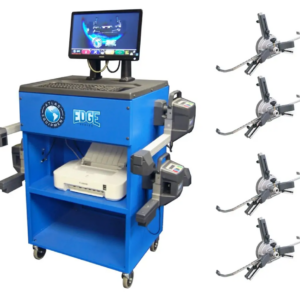
Atlas Automotive Equipment Atlas 8-Camera Bluetooth Wireless Alignment Machine – ATEATEDGE-501-3PT-FPD
$14,199.00 Add to cart -
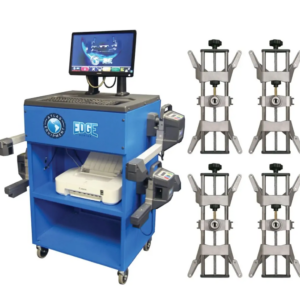
ATLAS AUTOMOTIVE EQUIPMENT Atlas Edge 501 – ATEATEDGE-501-4PT
$12,999.00 Add to cart -
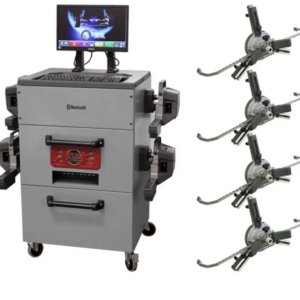
Atlas Automotive Equipment Atlas Platinum 601 Alignment Machine w/ 3-Point Clamps – ATEAP-PWA601
$15,988.00 Add to cart
Why Shops Choose Atlas
Atlas tools ship with everything needed to start calibrating the same day they arrive.
Comprehensive vehicle coverage means fewer tool changes when working across mixed fleets or diverse shop inventory.
Built-in guided workflows walk technicians through each calibration step, cutting errors and reducing comebacks.
Durable commercial-grade construction handles the daily abuse of shop floors and mobile service environments without failure.
Atlas combines calibration, diagnostics, and ADAS reset functions in one platform, eliminating redundant equipment costs.
Atlas ADAS Calibration Tools: The Professional Shop's Complete Buying Guide
What Atlas Brings to the ADAS Calibration Market
Atlas Automotive Equipment has built a reputation in the professional automotive and commercial vehicle service sector for delivering durable, practical equipment that holds up under the demands of high-volume shop environments. Their entry into the ADAS calibration space reflects a clear understanding of what working technicians actually need: tools that are accurate, repeatable, and designed around real shop workflows rather than laboratory conditions. For heavy-duty truck repair facilities, fleets, and mobile technicians in particular, Atlas calibration solutions are engineered to address the specific challenges posed by larger vehicle platforms where ADAS technology is rapidly becoming standard equipment.
The company's approach emphasizes modular, scalable systems. Rather than locking shops into a single configuration that may not match their current vehicle mix, Atlas offers targeting boards, camera alignment systems, and radar calibration accessories that can be configured to meet the demands of different service environments. This modularity matters for shops that handle both passenger vehicles and commercial trucks, because the physical requirements for calibrating a front-facing radar on a Class 8 tractor are fundamentally different from those on a passenger sedan.
The Atlas ADAS Product Lineup Explained
Atlas's ADAS calibration lineup centers on static calibration systems, which use precision-manufactured target boards, stands, and alignment tools to position calibration targets at manufacturer-specified distances and angles from the vehicle. Their systems typically include adjustable target stands with fine-tuning capability, laser line tools for vehicle centering, and a library of printed or rigid reflective targets compatible with a wide range of OEM calibration procedures. The rigidity and dimensional accuracy of Atlas target boards is a key selling point, as any flex or warp in a targeting surface can introduce calibration errors that are difficult to detect without post-calibration verification.
Beyond static target systems, Atlas supports dynamic calibration workflows by providing the structural hardware framework that technicians use alongside OEM or OEM-equivalent scan tools. Dynamic ADAS calibration requires driving the vehicle at specified speeds and conditions while the scan tool initiates the self-calibration routine ÔÇö Atlas equipment in this context means having the right pre-drive static setup tools and documentation to ensure the vehicle enters that dynamic phase correctly configured. Some Atlas configurations also include vehicle positioning lifts and wheel alignment integration points, which are particularly valuable when ADAS calibration is bundled with post-collision alignment services.
- Adjustable, height-compensating target stands designed for vehicles ranging from passenger cars to full-size commercial trucks
- High-contrast, dimensionally certified calibration target boards (radar reflectors, camera pattern boards, laser targets)
- Vehicle centering and positioning systems using laser projection tools
- Integrated workflow documentation and setup guides tied to specific vehicle make and system type
- Compatibility with third-party diagnostic platforms including Autel, Snap-on, and Bosch calibration scan tools
Why ADAS Calibration Matters More Than Ever for Heavy-Duty Shops
Commercial trucks have adopted ADAS systems at an accelerating pace. Forward collision warning, automatic emergency braking, lane departure warning, adaptive cruise control, and blind-spot monitoring are now standard or required equipment on many Class 6 through Class 8 trucks sold in North America. Federal regulations from the NHTSA and pressure from fleet risk management programs have pushed OEMs to install these systems, which means that any time a commercial truck goes through a significant repair ÔÇö a front-end collision, windshield replacement, front bumper work, or even a front axle alignment ÔÇö the possibility of an ADAS recalibration requirement exists.
The financial and liability stakes are substantial. A truck with a miscalibrated forward collision system may fail to activate in a genuine emergency, resulting in an accident. If a shop completed prior work on that vehicle without documenting a proper ADAS recalibration, the liability exposure is real. Fleets and insurance companies are increasingly aware of this risk, and shops that can demonstrate a rigorous, documented ADAS calibration process ÔÇö using professional-grade equipment like Atlas systems ÔÇö are better positioned to retain commercial accounts. For mobile technicians serving fleet customers at terminal locations, having portable Atlas equipment that can be transported and set up accurately in various environments is a competitive differentiator.
It is also worth noting that heavy-duty trucks present specific challenges that consumer-focused calibration systems simply are not built for. Sensor heights, bumper-to-target distances, and camera mounting positions on a Class 8 cab differ dramatically from those on a passenger vehicle. Atlas systems that are engineered with commercial vehicle dimensions in mind eliminate the need for improvised workarounds that introduce inaccuracy.
Real-World Shop Workflow: How Atlas Systems Fit Into Daily Operations
In a typical collision or mechanical shop that has integrated Atlas ADAS equipment, the calibration workflow begins with the vehicle write-up process. When a vehicle arrives for any repair that could affect sensor alignment ÔÇö including windshield work, front suspension or steering repairs, bumper replacements, or wheel alignments ÔÇö a calibration check is flagged in the repair order. The technician assigned to the vehicle consults the OEM repair information to determine which ADAS systems are present and whether static, dynamic, or both calibration types are required.
With Atlas equipment, the physical setup phase is structured and repeatable. The vehicle is positioned on a flat, level surface ÔÇö Atlas sells or recommends surface leveling mats for shops with imperfect floor conditions ÔÇö and the vehicle centering system is deployed. Laser tools project reference lines that allow the technician to align the Atlas target stand to the vehicle's longitudinal centerline. Target height is adjusted according to the sensor specification for that make and model. This process, when followed correctly, typically takes a trained technician a predictable amount of time per vehicle, which allows service advisors to accurately quote calibration as a line item on repair orders.
- Step 1: Identify required calibrations from OEM repair data during write-up
- Step 2: Prepare calibration bay ÔÇö level surface check, clear minimum target distance zone
- Step 3: Position vehicle using Atlas centering laser system
- Step 4: Configure Atlas target stand to required sensor height and distance
- Step 5: Connect diagnostic tool, initiate OEM calibration routine
- Step 6: Confirm pass/fail status, capture screenshot or printed report
- Step 7: Document in repair order with equipment serial numbers for liability protection
Mobile technicians using Atlas portable configurations follow a compressed version of this workflow. The key advantage of well-designed portable Atlas systems is that the folding stands and modular target boards pack compactly into a service van without sacrificing the dimensional accuracy required for a legitimate calibration. Setup at a fleet terminal or dealer lot is feasible when the technician has been properly trained on the equipment.
Vehicle Make and ADAS System Coverage
One of the primary evaluation criteria for any ADAS calibration system is the breadth of vehicle and system coverage. Atlas target systems are designed to be platform-agnostic ÔÇö the physical targets and stands are used in conjunction with OEM or OEM-equivalent calibration software, which means coverage is ultimately tied to the diagnostic tool being used alongside the Atlas hardware. This is an important distinction: Atlas provides the precision physical infrastructure; vehicle-specific calibration routines are executed through scan tools that have their own coverage databases.
For heavy-duty truck applications, relevant makes include Freightliner, Kenworth, Peterbilt, International (Navistar), Volvo Trucks, and Mack. Each OEM has its own calibration requirements for systems like Bendix Wingman Fusion, Wabco OnGuard, Meritor WABCO, and proprietary camera systems tied to lane departure and object detection features. Atlas target boards, when specified correctly for the sensor type ÔÇö radar reflector versus camera pattern board versus laser diode target ÔÇö are compatible with the calibration procedures for these systems when used alongside appropriate software from providers like Noregon, Dearborn Group, or OEM dealer tools.
Shops should verify with Atlas or their distributor that the specific target board configuration they are purchasing covers the sensor types most common in their vehicle mix. A shop primarily servicing Freightliner Cascadias equipped with Detroit Assurance systems will have different target requirements than one focused on Kenworth T680s with Bendix systems. Atlas's modular approach means that additional target types can be added to an existing stand system as the shop's vehicle coverage needs evolve.
Software, Updates, and Ongoing Support Considerations
Because Atlas systems are hardware-centric rather than software-platform-centric, the software update concern is somewhat different from what shops face with scan tools. The physical targets and stands themselves do not require firmware updates. However, the dimensional specifications for targets and setup distances are published by OEMs and can change with software updates to the vehicles themselves. Shops need to stay current with OEM service information ÔÇö through subscriptions to OEM portals or aggregators like Mitchell 1, ALLDATA, or Identifix ÔÇö to ensure that the Atlas hardware is being used according to the most current setup parameters.
Atlas does provide technical support through their dealer network and direct channels. For shops that purchase Atlas equipment through a distributor like ADAS Calibration Tools, the distributor relationship often provides a meaningful support layer ÔÇö access to setup guidance, training resources, and help navigating which Atlas configuration is appropriate for a shop's specific needs. This is particularly valuable when shops are setting up ADAS calibration as a new service line and need guidance on bay layout, equipment positioning, and staff training protocols.
Warranty terms on Atlas ADAS equipment should be reviewed carefully. Target boards are precision items that can be damaged by improper storage or handling, and understanding what the warranty covers ÔÇö and what accidental damage or wear exclusions apply ÔÇö helps shops make informed purchase decisions. Replacement target boards and accessory components are available as standalone items, which is an advantage over systems where proprietary components can only be sourced from one supplier at premium replacement cost.
How Atlas Compares at a High Level to Alternative Systems
The ADAS calibration equipment market includes offerings from Autel (the MA600 and similar integrated systems), Snap-on, Bosch, Hunter Engineering, and several European brands including Hella Gutmann and Mahle. Each has strengths in different areas. Fully integrated systems that bundle software, target management, and diagnostic routines into a single platform offer workflow simplicity but can be more expensive and may tie shops to a single software ecosystem. Atlas takes the opposite approach ÔÇö best-in-class physical hardware that works with the diagnostic tools shops already own or prefer.
For shops that have existing investment in Autel diagnostic platforms, for example, adding Atlas target hardware allows them to expand calibration capability without purchasing a second complete integrated system. For shops that service both commercial trucks and passenger vehicles, Atlas's range of stand configurations and target sizes provides coverage flexibility that some integrated systems ÔÇö which are optimized primarily for passenger car market ÔÇö cannot match. The tradeoff is that the Atlas approach requires the technician to manage two components (the hardware and the software tool) and to ensure both are correctly configured for each calibration job.
Key Buying Considerations for Shops and Fleet Operations
Before purchasing Atlas ADAS calibration equipment, shops should conduct a realistic assessment of their current and projected calibration volume, their vehicle mix, and their existing diagnostic tool infrastructure. Calibration volume directly affects return on investment ÔÇö a shop doing two to three calibrations per week has a very different payback calculation than one doing ten or more. Atlas equipment is priced for professional shop environments, and the investment is justified when calibration is treated as a billed service line rather than a cost-absorbed step in larger repairs.
Bay space and floor conditions are practical constraints that must be evaluated honestly. ADAS static calibration requires significant clear space in front of the vehicle ÔÇö often ten to twenty feet or more depending on the vehicle and sensor type ÔÇö and the floor must be level within tight tolerances. If a shop's existing bays cannot accommodate these requirements, investments in floor leveling or a dedicated calibration bay will add to the total setup cost. Mobile technicians need to evaluate whether the Atlas portable configuration fits their van and whether the deployment and setup time is practical for the service calls they make.
- Audit your current vehicle mix to identify which makes, models, and ADAS systems are most common in your bay
- Confirm your existing scan tool software covers the calibration routines for those vehicles before investing in Atlas hardware
- Measure your available bay depth and confirm floor levelness before committing to a static calibration configuration
- Calculate projected calibration volume and average ticket value to establish realistic ROI expectations
- Evaluate whether a fixed bay setup, portable configuration, or both are needed based on your customer base
- Confirm distributor support availability ÔÇö training, technical assistance, and replacement component sourcing
- Review Atlas warranty terms and understand replacement costs for consumable or damage-prone components
Shops entering the ADAS calibration market for the first time should also invest in technician training. The physical setup of Atlas equipment is learnable, but understanding why each step matters ÔÇö and recognizing when a calibration result should be questioned rather than accepted ÔÇö requires a foundational understanding of how ADAS sensors work and what the OEM specifications are intended to achieve. Training through I-CAR, ASE, or OEM-sponsored programs, combined with hands-on equipment training from the Atlas distributor, gives technicians the competency to perform calibrations that are genuinely accurate rather than procedurally completed without true quality assurance. For shops that want to build a defensible, documented ADAS calibration service, that combination of professional-grade Atlas equipment and properly trained technicians is the foundation of a service line that generates revenue, reduces liability exposure, and builds lasting confidence with fleet and commercial truck customers.