TopDon Calibration & Diagnostic Tools
Professional-grade TopDon ADAS calibration and diagnostic equipment — sourced for heavy-duty repair shops, fleets, and mobile technicians.
Featured TopDon Tools & Pricing
-
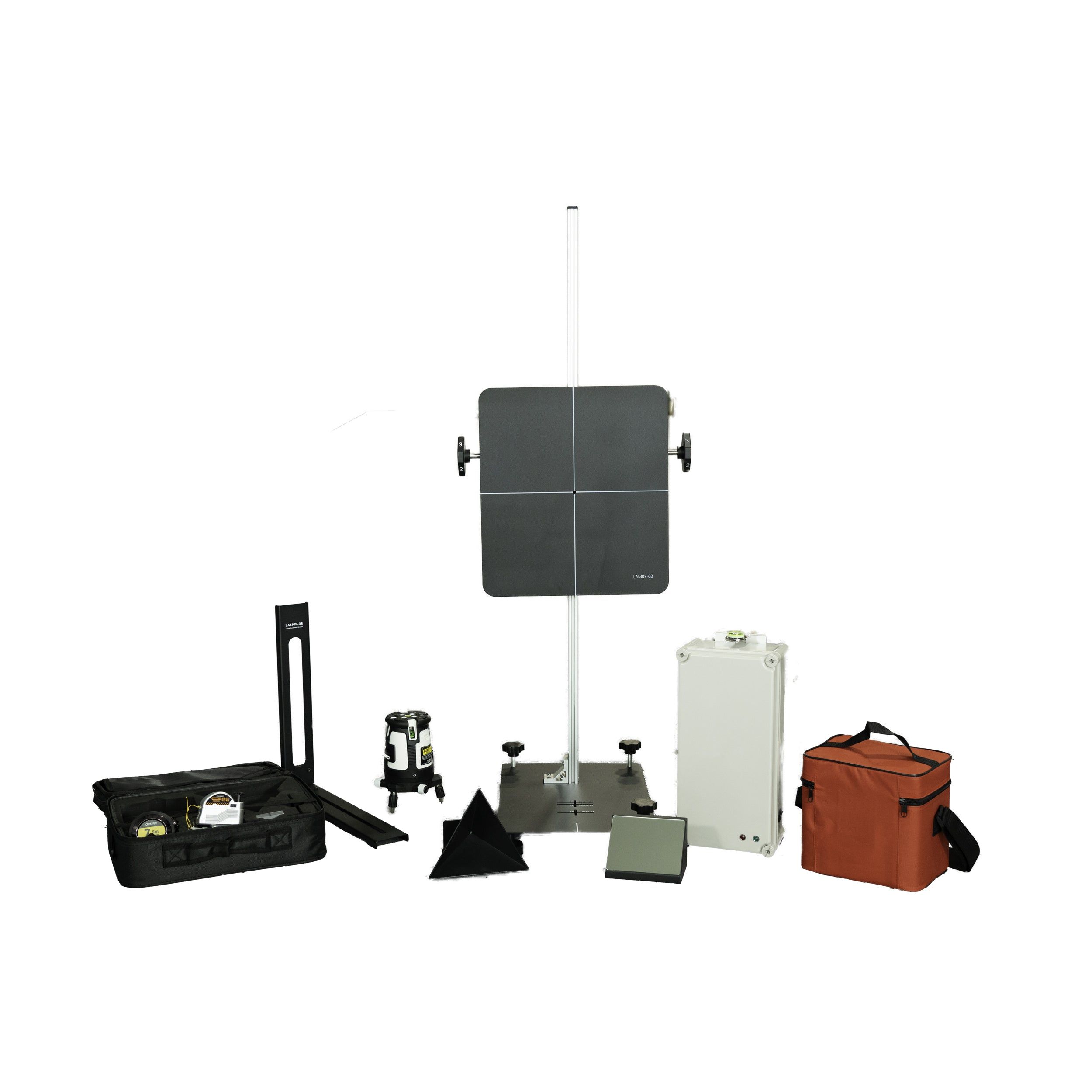
ADAS 3-in-1 with Software Bundle
$3,260.00 Add to cart -
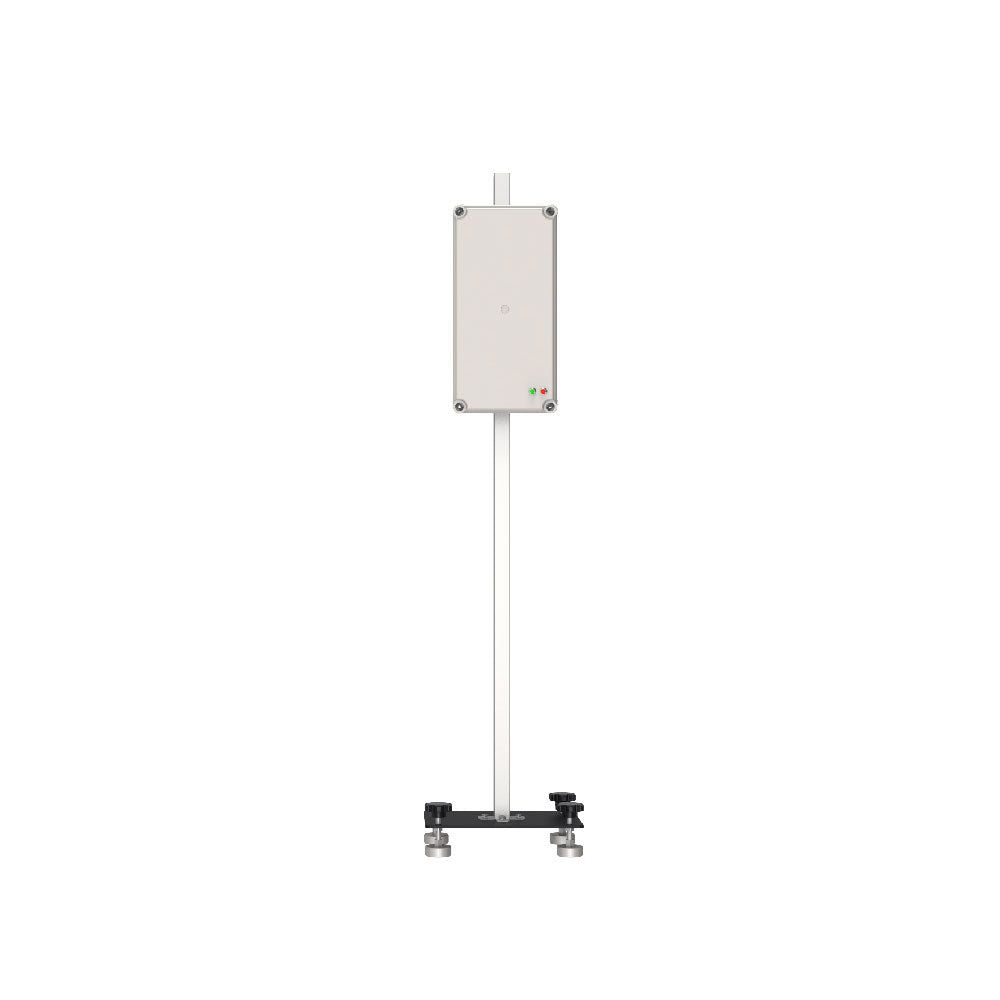
ADAS Doppler Simulator (LAC05-04)
$784.00 Add to cart -
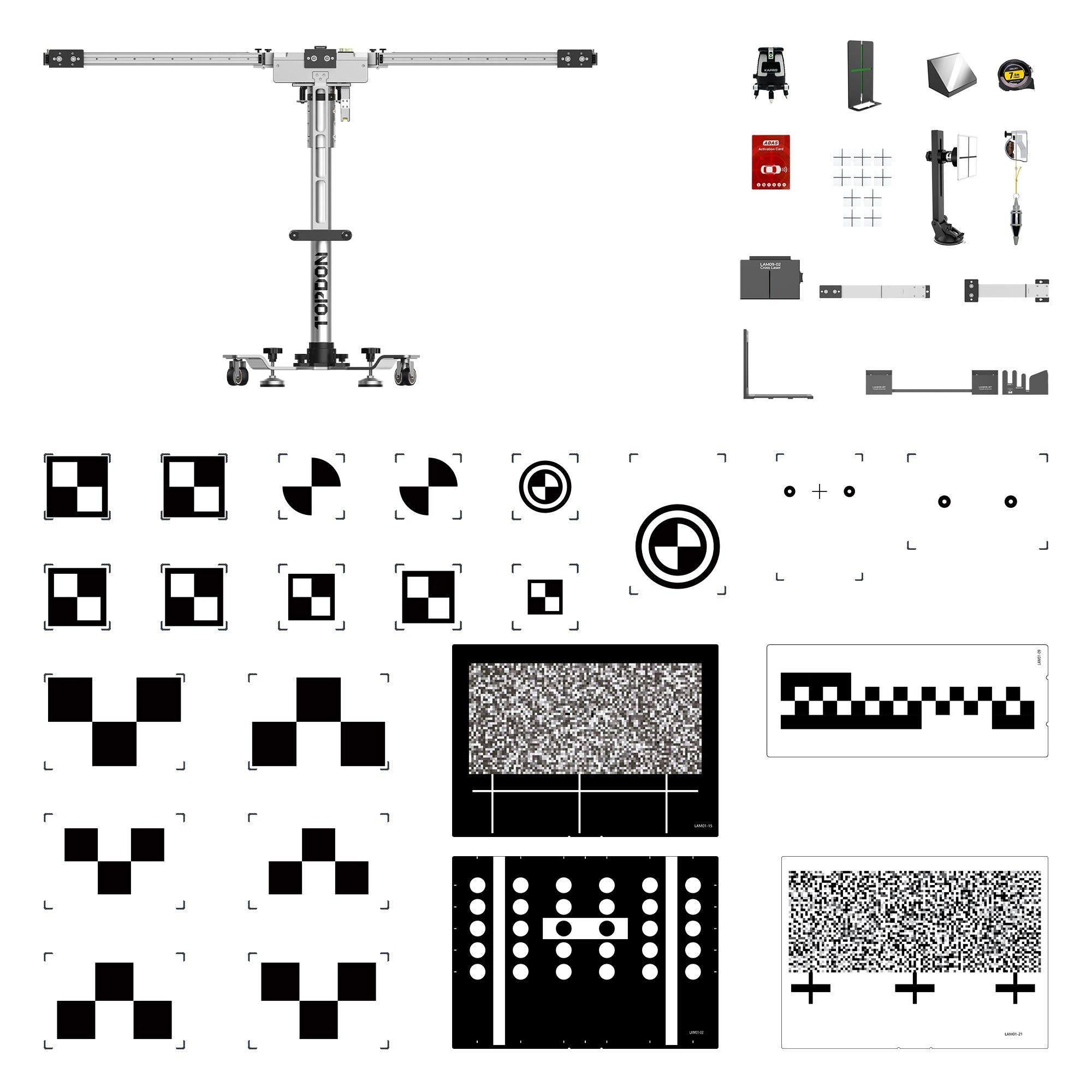
Phoenix ADAS Mobile Basic
$8,596.00 Add to cart -
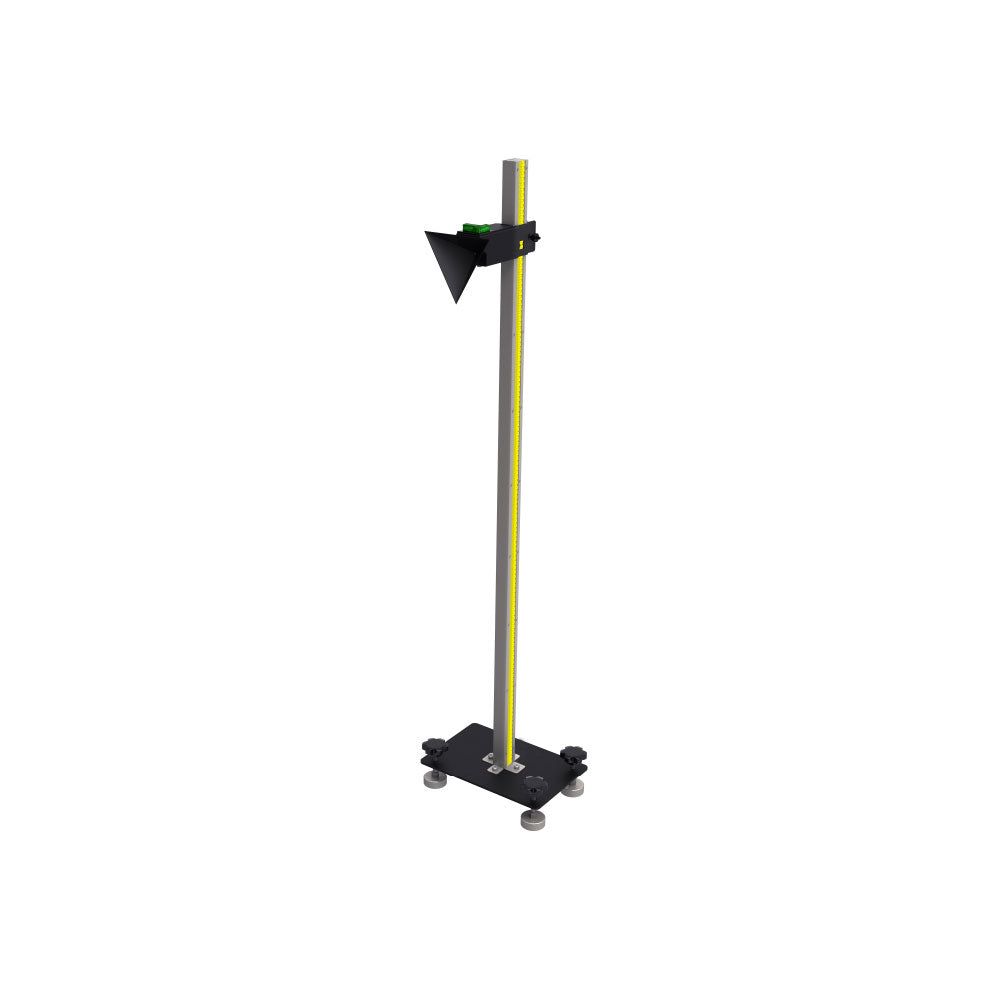
TOPDON ADAS Corner Reflector (LAC05-03)
$718.00 Add to cart -
TopDon Mobile ADAS Includes Phoenix Elite Tablet Complete Shop Kit
$12,755.00 Add to cart -
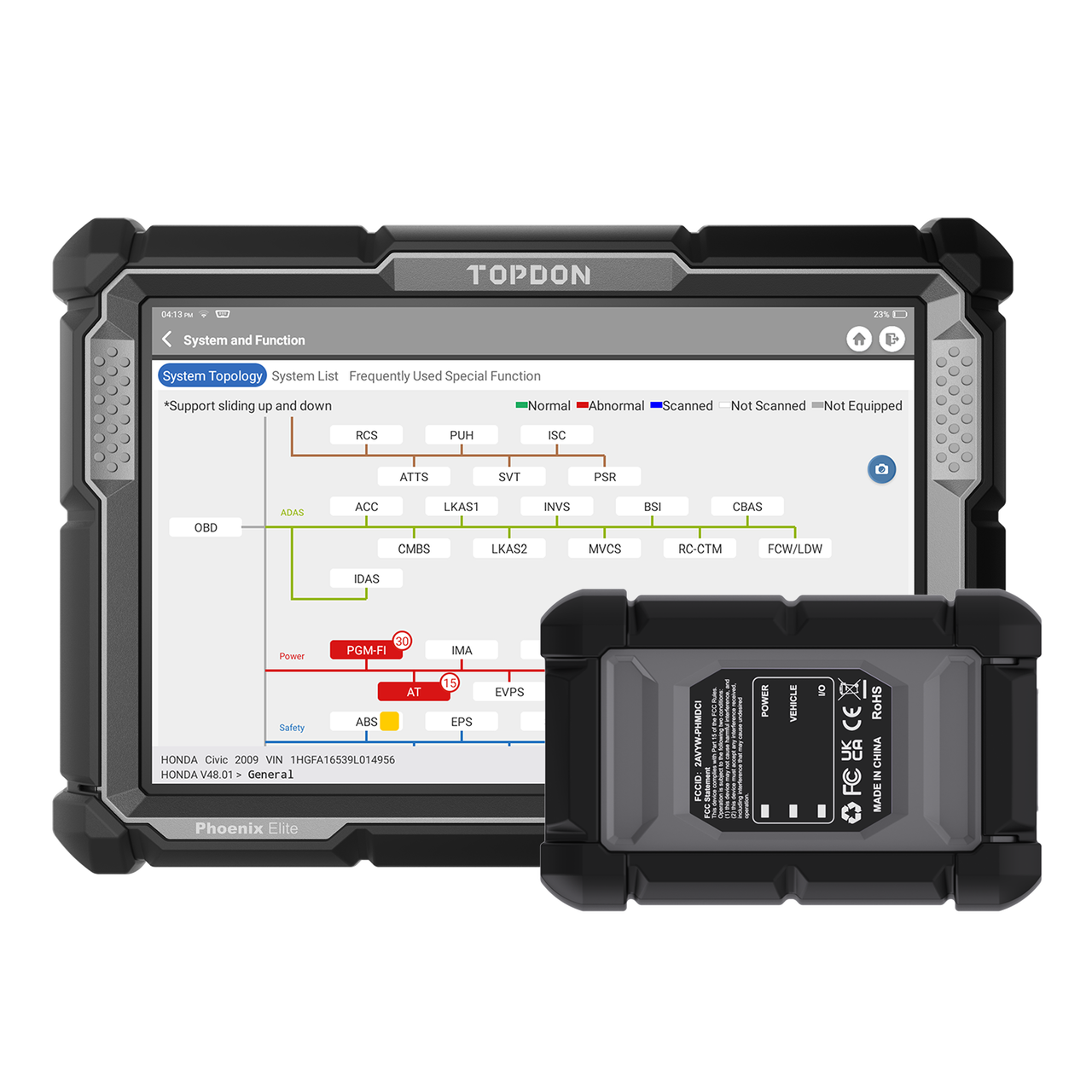
TopDon Phoenix Elite + Adas Software
$2,799.00 Add to cart -
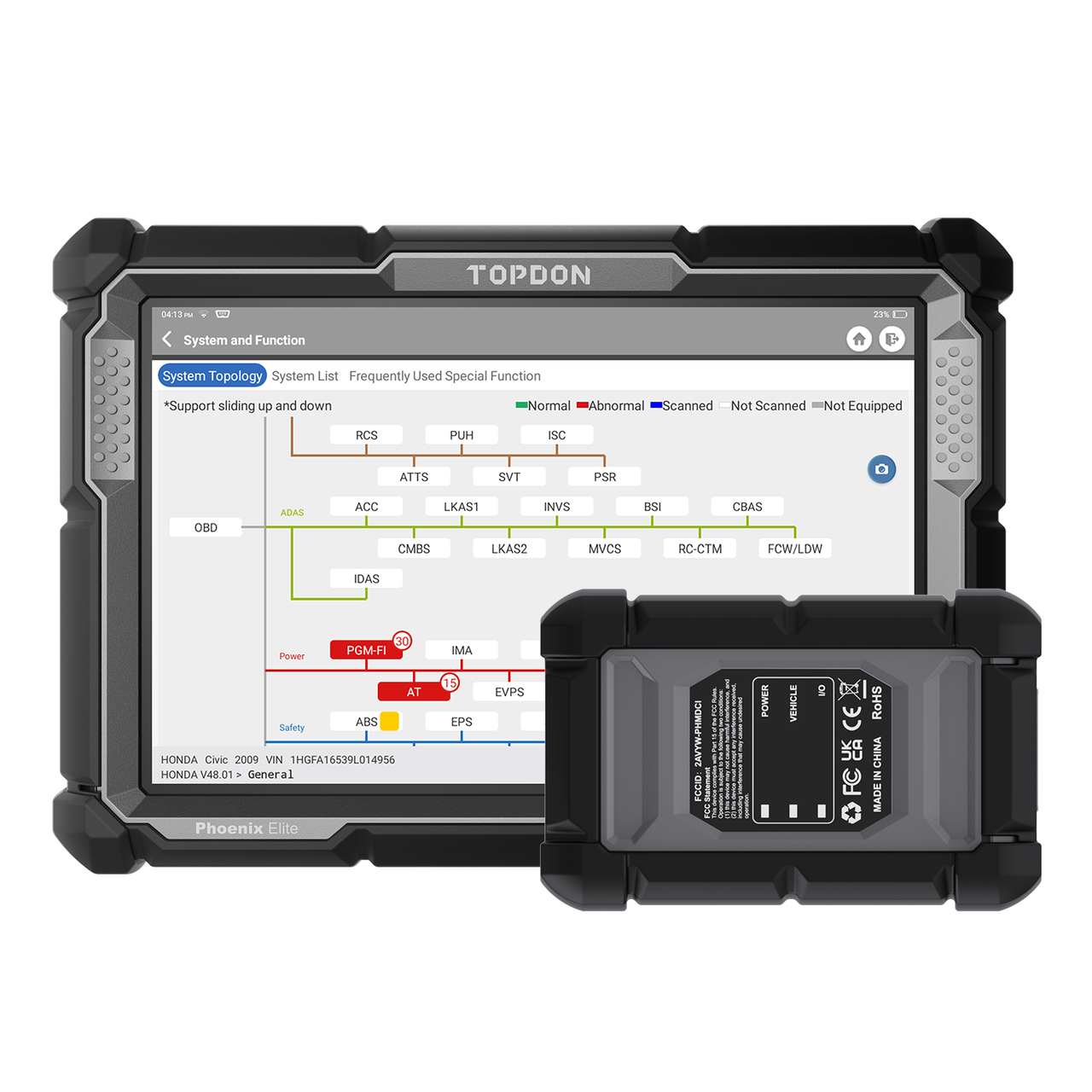
TOPDON Phoenix Mobile ADAS
$9,999.00 Add to cart
Why Shops Choose TopDon
TopDon's all-in-one diagnostic platforms reduce bay clutter by combining OBD, ADAS, and coding in one device.
Wide vehicle coverage across 100+ makes means fewer tool subscriptions and faster ROI for busy shops.
Lifetime free software updates keep technicians current with new model ADAS calibration procedures without recurring fees.
Cloud-based repair data and guided workflows cut diagnostic time even for less experienced technicians on the floor.
Rugged, portable hardware lets mobile techs handle advanced calibration jobs at fleet yards or customer locations.
TopDon ADAS Calibration Tools: The Professional's Guide to Choosing the Right System for Your Shop
What TopDon Brings to the ADAS Calibration Market
TopDon has established itself as a serious contender in the professional diagnostic and ADAS calibration space, building a reputation among independent shops, fleet maintenance operations, and mobile technicians who need capable, cost-effective tooling without sacrificing the coverage and software depth that modern vehicle repair demands. The brand sits in a well-defined position: more accessible than the top-tier OEM-level systems from Autel or Snap-on, yet substantially more capable than the entry-level scan tools that dominate consumer and light-duty markets.
The company's ADAS-focused product lineup centers on systems that combine vehicle diagnostics with guided calibration workflows for cameras, radar modules, ultrasonic sensors, and LiDAR units. For heavy-duty truck shops in particular, this combination matters enormously because the calibration event rarely happens in isolation ÔÇö it follows a repair, a windshield replacement, a suspension correction, or a sensor swap, and the technician needs both diagnostic confirmation and calibration execution from the same platform.
TopDon's development approach has emphasized broad vehicle coverage, regular OTA (over-the-air) software updates, and intuitive guided procedures that reduce the learning curve for technicians who are new to active safety system work. This makes the brand particularly relevant for shops that are expanding their ADAS capability for the first time and need tooling that supports skill-building rather than demanding it upfront.
The TopDon Product Lineup: Key Tools for ADAS Work
TopDon's professional ADAS offerings revolve around a core set of platforms that each target a different shop profile. The Phoenix series represents their flagship diagnostics-forward approach, integrating full-system scan capability with ADAS calibration functions in a tablet-based interface. These units are designed for shop benches and service bays where technicians are working through structured repair orders and need a complete workflow from fault code identification through post-calibration verification.
The TopDon ADAS calibration frame and target kit ecosystem is where the hardware investment becomes significant. These systems include adjustable calibration frames, precision radar reflectors, camera calibration boards with coded patterns, and mounting hardware engineered to position targets at the exact distances and angles specified by OEM calibration procedures. The quality of these physical tools directly affects calibration accuracy, and TopDon has invested in aluminum-constructed frames with repeatable adjustment mechanisms that hold position through the procedure without drift.
- Phoenix Elite / Phoenix Pro ÔÇö Flagship diagnostic tablets with integrated ADAS calibration functions and broad vehicle coverage
- ADAS Calibration Frame Systems ÔÇö Adjustable multi-axis frames compatible with a wide range of OEM target specifications
- Radar Calibration Targets ÔÇö Precision reflectors for forward-facing and corner radar module calibration
- Camera Target Boards ÔÇö Coded pattern boards for front camera, surround-view, and driver monitoring camera calibration
- Diagnostic Tablets (standalone) ÔÇö For shops that already have calibration hardware and need to add or upgrade the software-and-interface layer
For mobile technicians and fleet service operations, TopDon's more portable configurations offer a meaningful advantage. The ability to pack a capable calibration system into a van or fleet service vehicle ÔÇö rather than requiring vehicles to come to a fixed bay ÔÇö opens up revenue opportunities that rigid, floor-mounted systems cannot address. TopDon has designed several of their frame configurations with break-down portability in mind.
Vehicle and ADAS System Coverage: What Trucks and Fleets Can Expect
Coverage is the first question any fleet manager or shop owner asks before investing in a calibration platform, and it deserves a detailed answer. TopDon's heavy-duty and commercial vehicle coverage has grown substantially in recent update cycles. The platform addresses Class 4 through Class 8 applications across major North American commercial brands, with guided procedures for the active safety systems that are now standard equipment on most late-model commercial vehicles.
For fleet operations running mixed equipment, coverage breadth matters as much as depth. A shop servicing a fleet that includes Freightliner Cascadias, Kenworth T680s, Peterbilt 579s, and Volvo VNLs needs a single platform that can handle the Bendix Wingman Fusion on one truck and the Mobileye system on another without requiring a complete workflow change. TopDon's coverage database is organized to handle this kind of diversity, with make- and model-specific guided procedures that pull the correct OEM target distances, positioning requirements, and pass/fail thresholds for each application.
- Forward collision warning and autonomous emergency braking (AEB) ÔÇö Radar and camera fusion systems on late-model commercial trucks
- Lane departure warning (LDW) and lane keep assist (LKA) ÔÇö Forward-facing camera calibration following windshield or mirror replacement
- Adaptive cruise control (ACC) ÔÇö Front radar module calibration after bumper repairs or sensor replacements
- Blind spot monitoring (BSM) ÔÇö Corner radar and side-mounted sensor calibration
- 360-degree surround view systems ÔÇö Multi-camera calibration for trucks equipped with around-view monitoring
- Driver monitoring systems (DMS) ÔÇö In-cab camera calibration for fatigue and distraction detection systems
- Automatic trailer coupling and backing systems ÔÇö Emerging coverage for newer integrated trailer management features
Light and medium-duty coverage on the TopDon platform extends to the full range of domestic, European, and Asian makes that commercial shops increasingly encounter ÔÇö particularly in mixed fleets running pickup-based service vehicles, delivery vans, and medium-duty vocational trucks. The software database maintains separate calibration procedure trees for each body configuration, cab style, and OEM variant, which is critical because calibration target distances and positioning often vary between a regular cab and a crew cab even on the same base platform.
Software Architecture, Updates, and Long-Term Support
The software side of any ADAS calibration investment is arguably more important than the hardware, because vehicle technology evolves continuously while a well-built calibration frame will serve a shop for years. TopDon structures their software on a subscription model with OTA update delivery, meaning the tablet or diagnostic unit receives new vehicle coverage, revised calibration procedures, and software bug corrections without requiring the shop to send hardware back or install packages manually.
Update frequency is a meaningful differentiator in this market. Shops that service late-model vehicles need calibration procedures for newly released models and for mid-cycle technology revisions that OEMs push through. TopDon has maintained a regular update cadence that keeps commercial vehicle coverage current, and the OTA delivery mechanism means a technician starting a shift finds the latest software version already loaded ÔÇö a practical advantage in a busy service environment where stopping to manage software installations is an interruption nobody wants.
The guided calibration workflow interface deserves specific mention because it directly affects technician efficiency and calibration quality. TopDon's step-by-step procedure display walks technicians through target placement, vehicle positioning requirements, pre-calibration diagnostic checks, and the calibration execution sequence with visual confirmation at each stage. This structured approach reduces technician error, creates a consistent process that shops can train to, and generates the documentation record that insurers and fleet customers increasingly require as proof of proper calibration.
Real-World Shop Workflow: How TopDon Integrates Into Service Operations
Understanding how a calibration tool performs in a controlled demo is different from understanding how it performs across a full service day in a busy truck shop. In practice, technicians are moving between multiple work orders, calibration bays need to be set up and broken down efficiently, and the tool needs to communicate clearly when conditions are not right for calibration ÔÇö vehicle not level, insufficient lighting, pre-existing fault codes that will invalidate the calibration result.
TopDon's pre-calibration check sequence handles exactly this class of problem by running through environmental and vehicle condition requirements before initiating the calibration procedure. This prevents wasted time on calibration attempts that will fail or produce unreliable results due to conditions that were present before the procedure started. For shop workflow, this translates to fewer comebacks and more predictable bay cycle times.
- Vehicle pull-in and initial diagnostic scan to identify pre-existing faults
- Pre-calibration environmental check (floor level, lighting, minimum bay length verification)
- Frame and target setup using on-screen guided measurements specific to make, model, and system
- Calibration execution with real-time feedback on sensor response
- Post-calibration verification scan confirming system readiness and fault code clearance
- Report generation for customer documentation and fleet record-keeping
Fleet accounts and insurance documentation requirements are driving demand for calibration reports that include technician identification, vehicle VIN, procedure performed, pass/fail status, and timestamp. TopDon's reporting functions generate this documentation automatically at procedure completion, which supports shops that are building managed fleet service agreements where calibration records need to flow into a fleet's maintenance management system.
How TopDon Compares to the Broader Market
Positioning TopDon honestly within the professional ADAS calibration market requires acknowledging the landscape. At the top end, OEM-level tools from manufacturers like Autel, Snap-on, and Hunter offer the deepest vehicle-specific procedure integration, the most comprehensive OEM data licensing, and the broadest support infrastructure ÔÇö at correspondingly high capital costs and subscription fees. These systems are the right choice for high-volume dealerships and independent shops handling extremely large ticket volumes where the investment is recoverable quickly.
TopDon occupies the productive middle ground: professional-grade capability, meaningful coverage depth, and a total cost of ownership that is accessible for independent shops, regional fleet operations, and mobile calibration businesses that cannot justify the top-tier pricing but cannot operate with inadequate coverage or unreliable software. For the truck shop serving a regional fleet account, the mobile ADAS technician building a route-based calibration service, or the independent heavy-duty shop adding ADAS capability to an existing diagnostic service offering, TopDon delivers the core requirements at a defensible investment level.
The comparison that matters most is not between TopDon and the top-tier systems ÔÇö it is between TopDon and doing ADAS calibration work without a proper dedicated system. Shops attempting camera or radar calibration using only a scan tool and improvised targets, or subcontracting every calibration event to a dealer, are leaving revenue on the table and exposing themselves to liability from improperly calibrated safety systems. A properly specified TopDon system closes that gap with documented, repeatable procedures.
Buying Considerations for Professional Shops and Fleets
Selecting the right TopDon configuration for your specific operation requires working through a set of questions that go beyond the spec sheet. The answers will determine whether you need the full calibration frame ecosystem, a diagnostics-forward tablet platform, or a modular combination that can grow with your service volume.
- Define your vehicle population first. Inventory the makes, models, and model years you service most frequently and verify that they appear in the TopDon coverage database before purchase. Focus on the specific ADAS systems ÔÇö ACC radar, LDW camera, BSM ÔÇö rather than just make and model coverage, since some systems are covered for diagnostics but not yet for full calibration procedures.
- Assess your bay infrastructure. Static calibration procedures require minimum bay lengths that vary by vehicle and system type ÔÇö some procedures require 30 feet or more of clear, level floor space. Evaluate whether your facility can accommodate these requirements before committing to a static frame system, or whether a dynamic calibration capability (requiring a road test with the tool connected) is more practical for your layout.
- Evaluate the software subscription terms carefully. Understand what the annual subscription covers, what happens to software access if you discontinue the subscription, and whether new vehicle coverage for makes you service is included in the base subscription or requires add-on purchases.
- Consider your technician training path. TopDon's guided procedures reduce the training requirement compared to systems that demand deep OEM knowledge, but calibration work still requires understanding of the underlying systems being calibrated. Budget for initial training and factor in the time cost of building technician competency on a new platform.
- Evaluate update delivery and support responsiveness. For a tool this central to shop workflow, support quality matters. Confirm what support channels are available, what the typical response time is for technical issues, and whether the distributor you are purchasing through has calibration-specific expertise or is primarily a general tool reseller.
- Plan for calibration documentation requirements. Confirm that the report format generated by the system meets the requirements of your insurance carrier, your fleet customers' maintenance programs, and any state-level requirements for calibration documentation in your market.
Budget planning for a TopDon ADAS system should account for the complete package: the diagnostic tablet or platform, the calibration frame and target set, any vehicle-specific target accessories for the makes you service, the initial software subscription, and the ongoing annual subscription cost. Shops that evaluate only the initial hardware price and discover the software subscription cost later tend to be dissatisfied; shops that plan for the full ownership cost from the start make better purchase decisions and experience better ROI outcomes.
The technician labor rate recapture on ADAS calibration work is substantial in most markets, and the liability protection that comes from using documented, OEM-procedure-based calibration tools rather than improvised methods is difficult to quantify but real. For shops that are serious about growing their ADAS service revenue and protecting themselves from post-repair liability exposure, a well-specified TopDon system is a defensible, professionally credible investment in a service line that will only grow as ADAS-equipped commercial vehicles become the overwhelming majority of the trucks moving through your bays.