Wheel Alignment
Professional Wheel Alignment for heavy-duty repair shops, fleets, and mobile technicians — sourced for accuracy, coverage, and uptime.
Featured Wheel Alignment
-
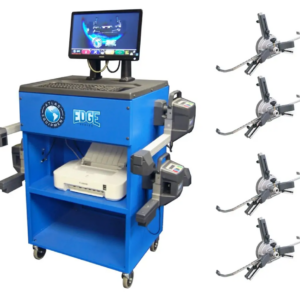
Atlas Automotive Equipment Atlas 8-Camera Bluetooth Wireless Alignment Machine – ATEATEDGE-501-3PT-FPD
$14,199.00 Add to cart -
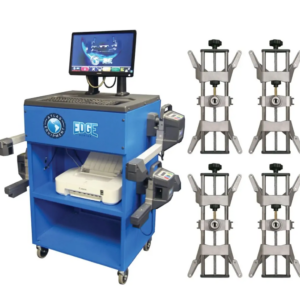
ATLAS AUTOMOTIVE EQUIPMENT Atlas Edge 501 – ATEATEDGE-501-4PT
$12,999.00 Add to cart -
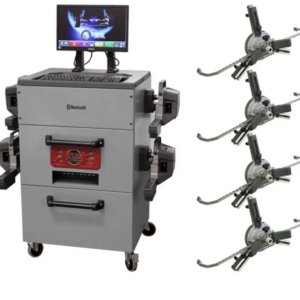
Atlas Automotive Equipment Atlas Platinum 601 Alignment Machine w/ 3-Point Clamps – ATEAP-PWA601
$15,988.00 Add to cart -
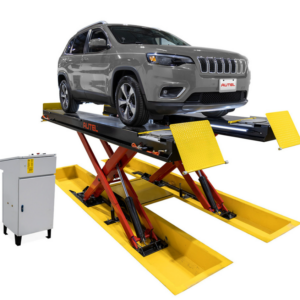
Autel ADAS Bay Max 12K Lift
$49,388.12 Add to cart -
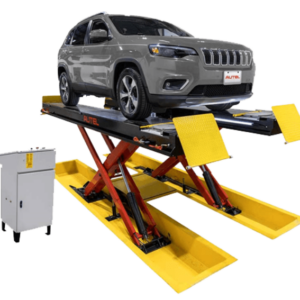
Autel ADAS Bay Max 14K Lift
$50,907.75 Add to cart -
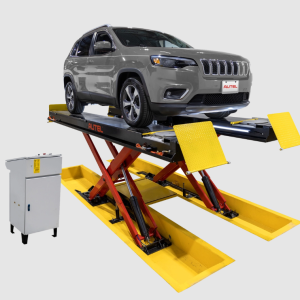
Autel Alignment 12K Scissor Lift
$43,309.58 Add to cart -
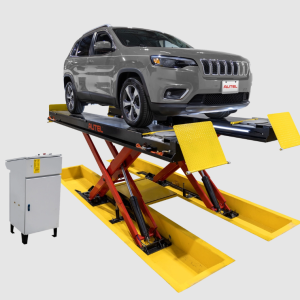
Autel Alignment 14K Scissor Lift
$44,829.21 Add to cart -
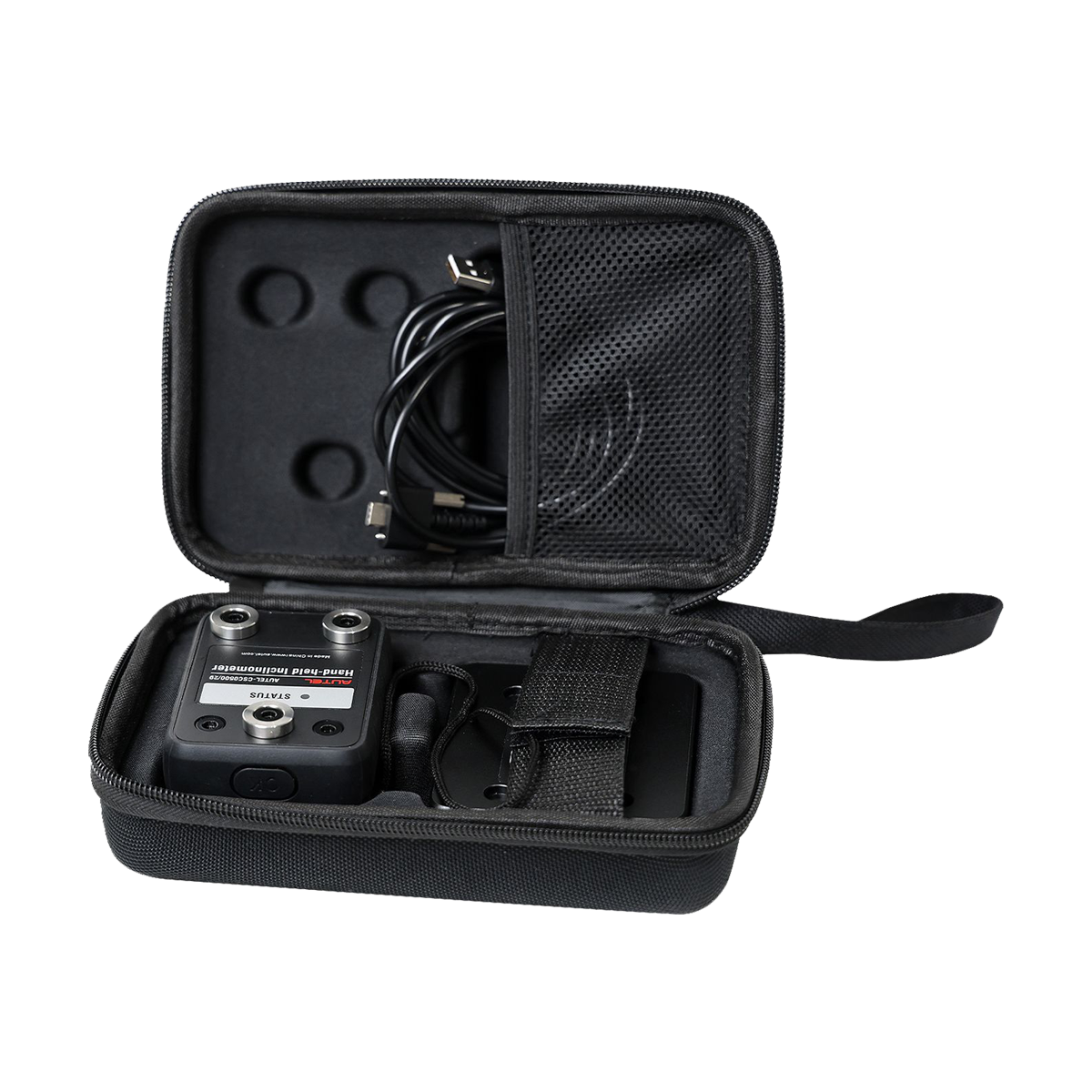
Autel Hand-Held Inclinometer for European Vehicle Alignment CSC0500-29
$625.00 Add to cart -
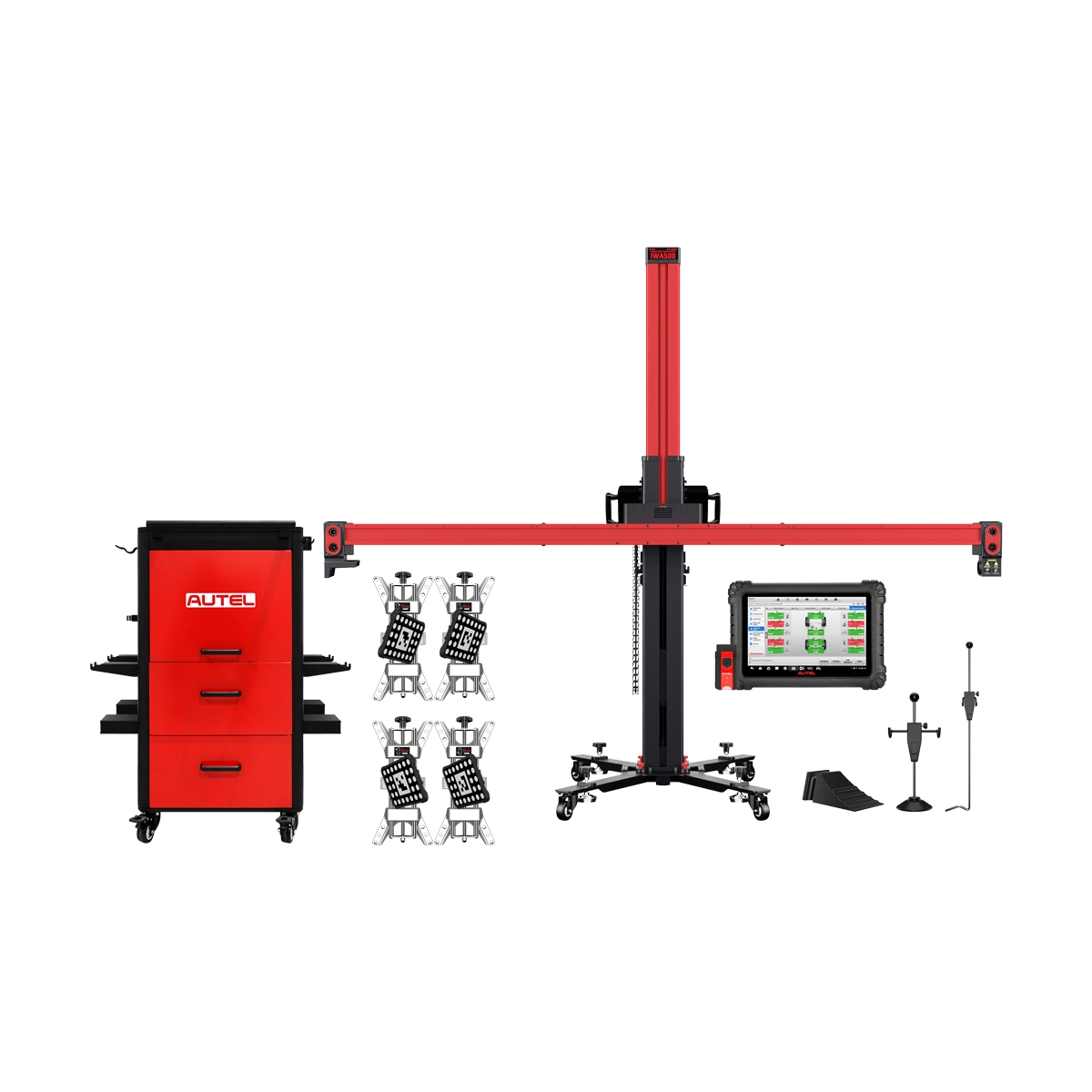
Autel IWA500 Wheel Alignment System with Tablet and Storage
$19,291.41 Add to cart -
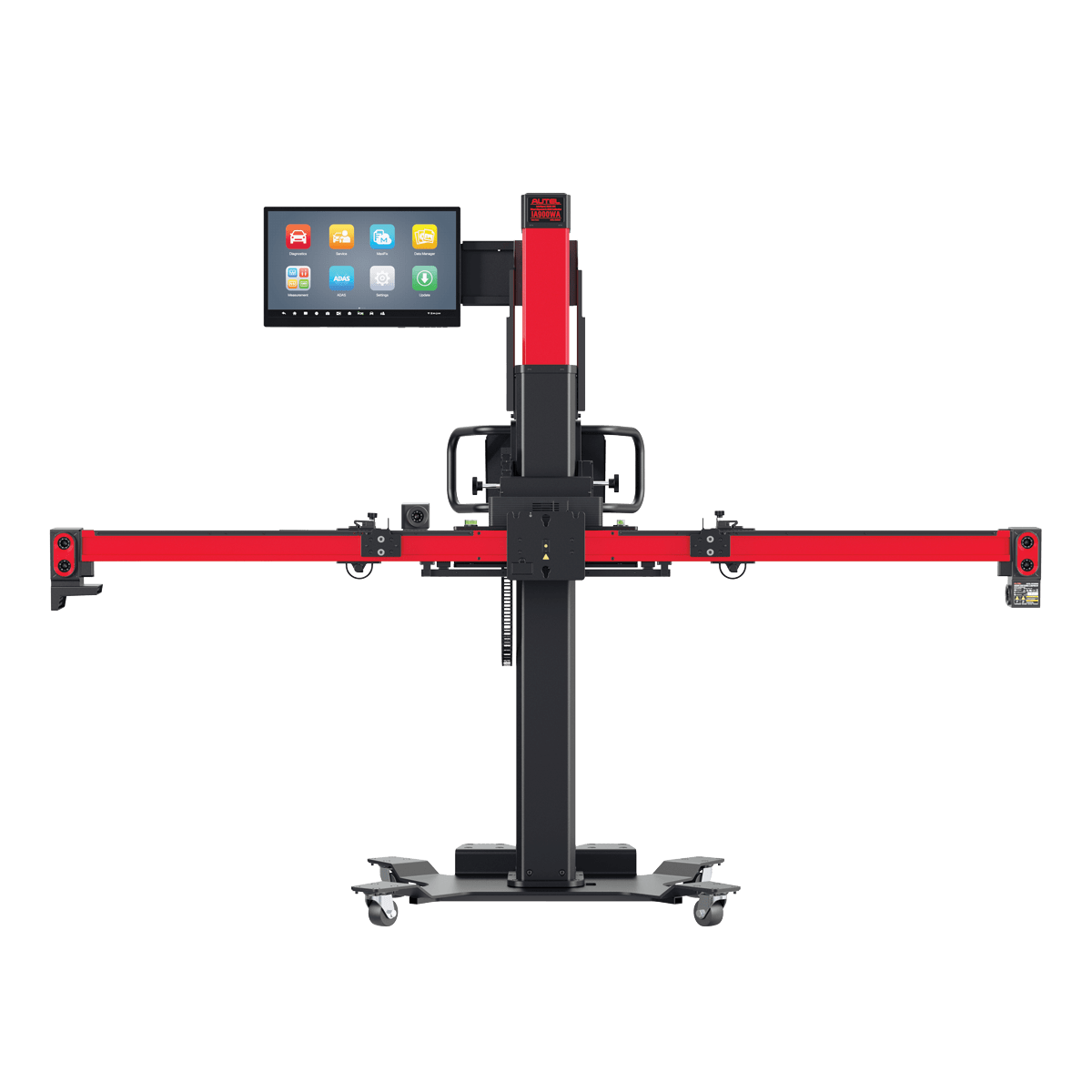
Autel MaxiSYS ADAS IA900WA Alignment and ADAS Calibration Frame
$17,964.00 Add to cart -
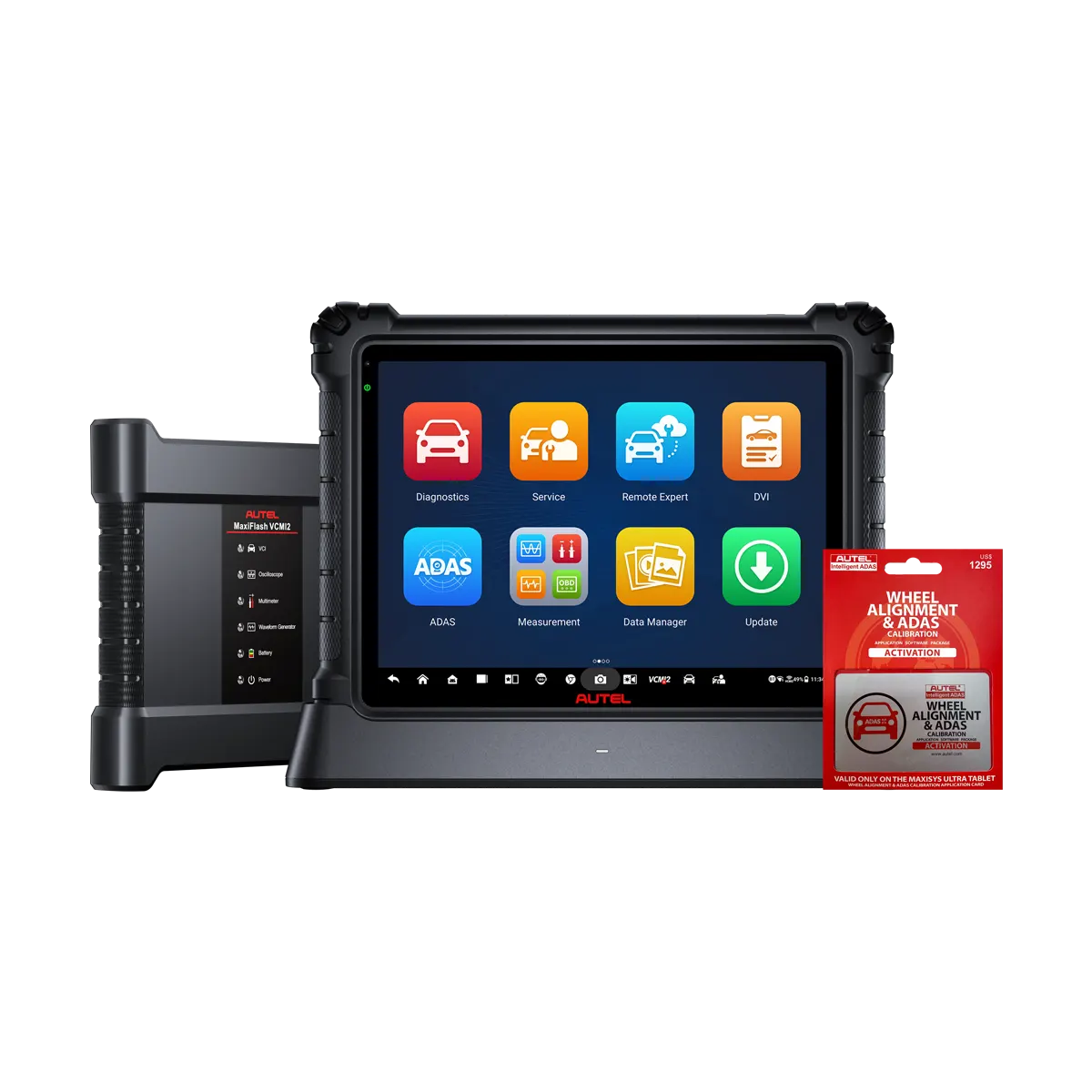
Autel MaxiSYS Ultra S2 with IA900 All-Systems ADAS Calibration & Wheel Alignment
$7,794.00 Add to cart -
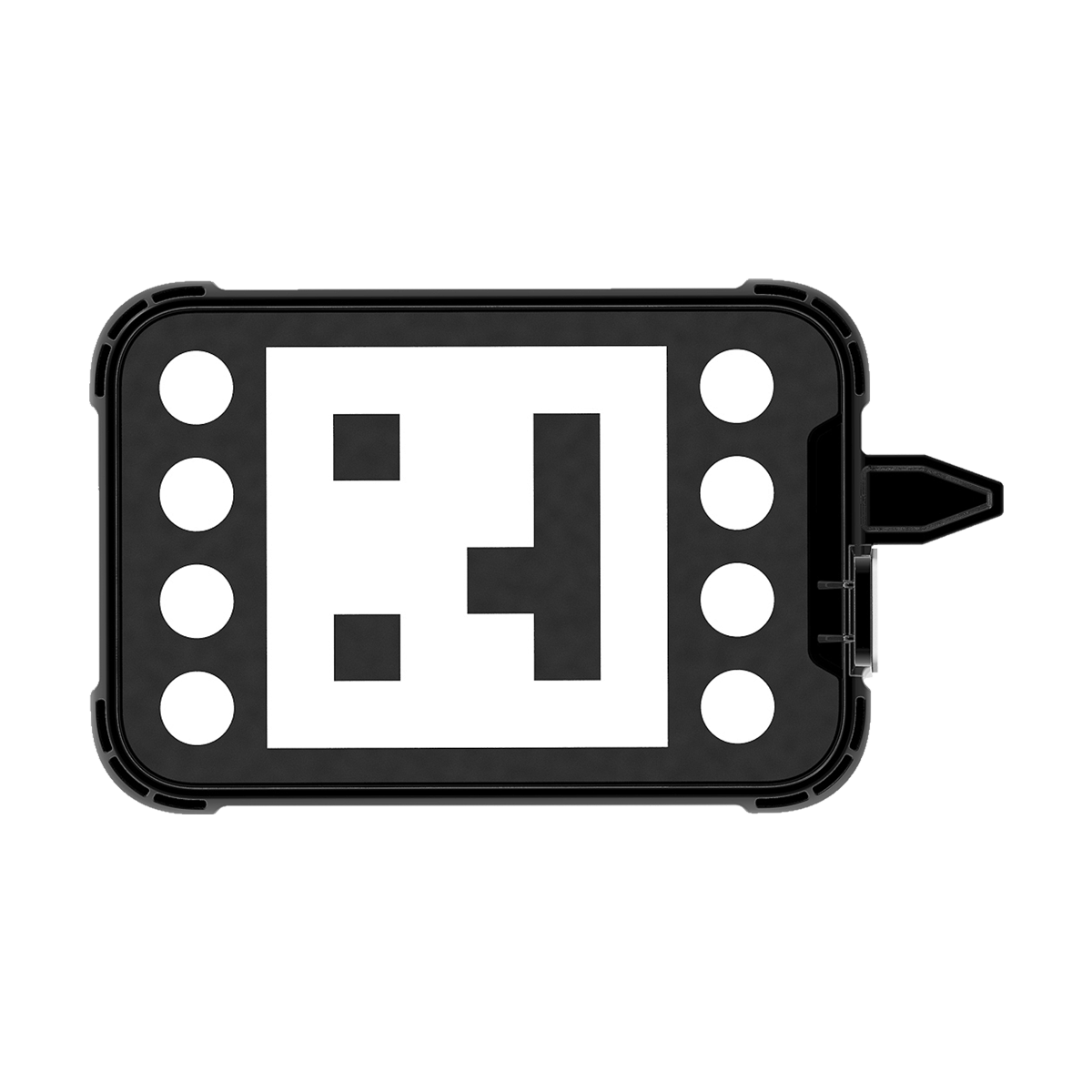
Autel Ride Height Targets CSC0500-20
$387.09 Add to cart -
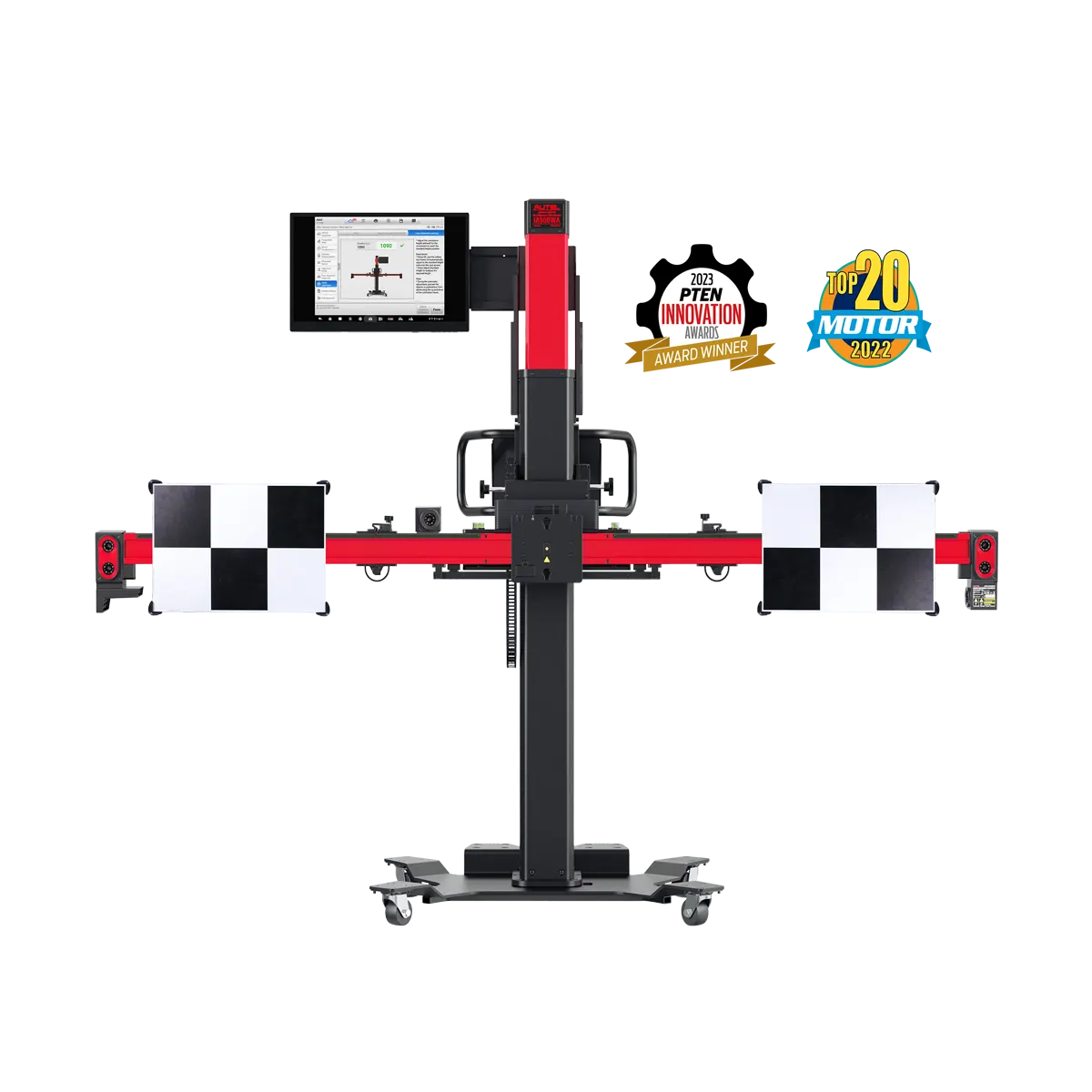
Autel Wheel Alignment & ASAS System
$12,560.23 Add to cart -
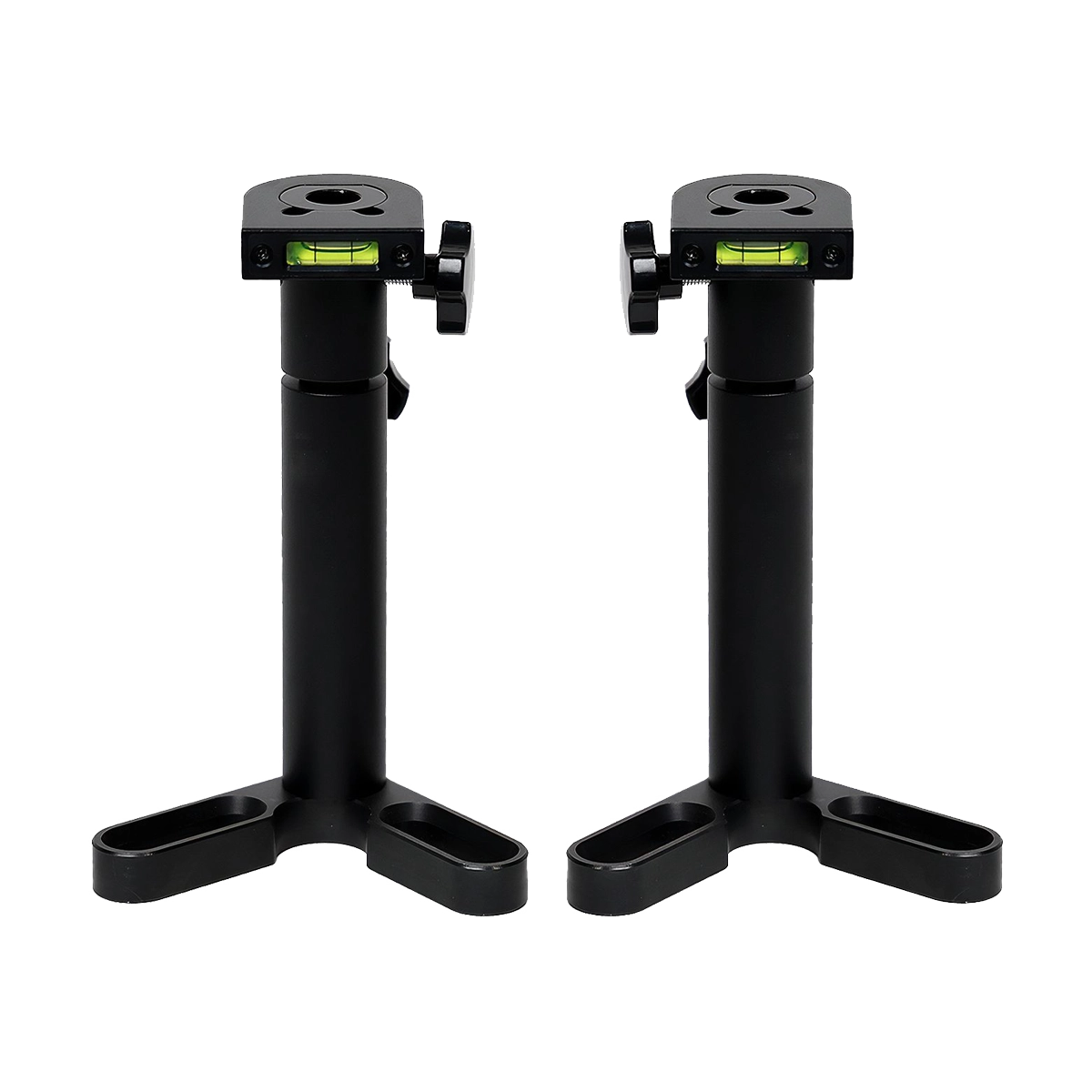
Autel Wheel-Off Hub Adapter Kit CSC0500-31
$234.00 Add to cart -
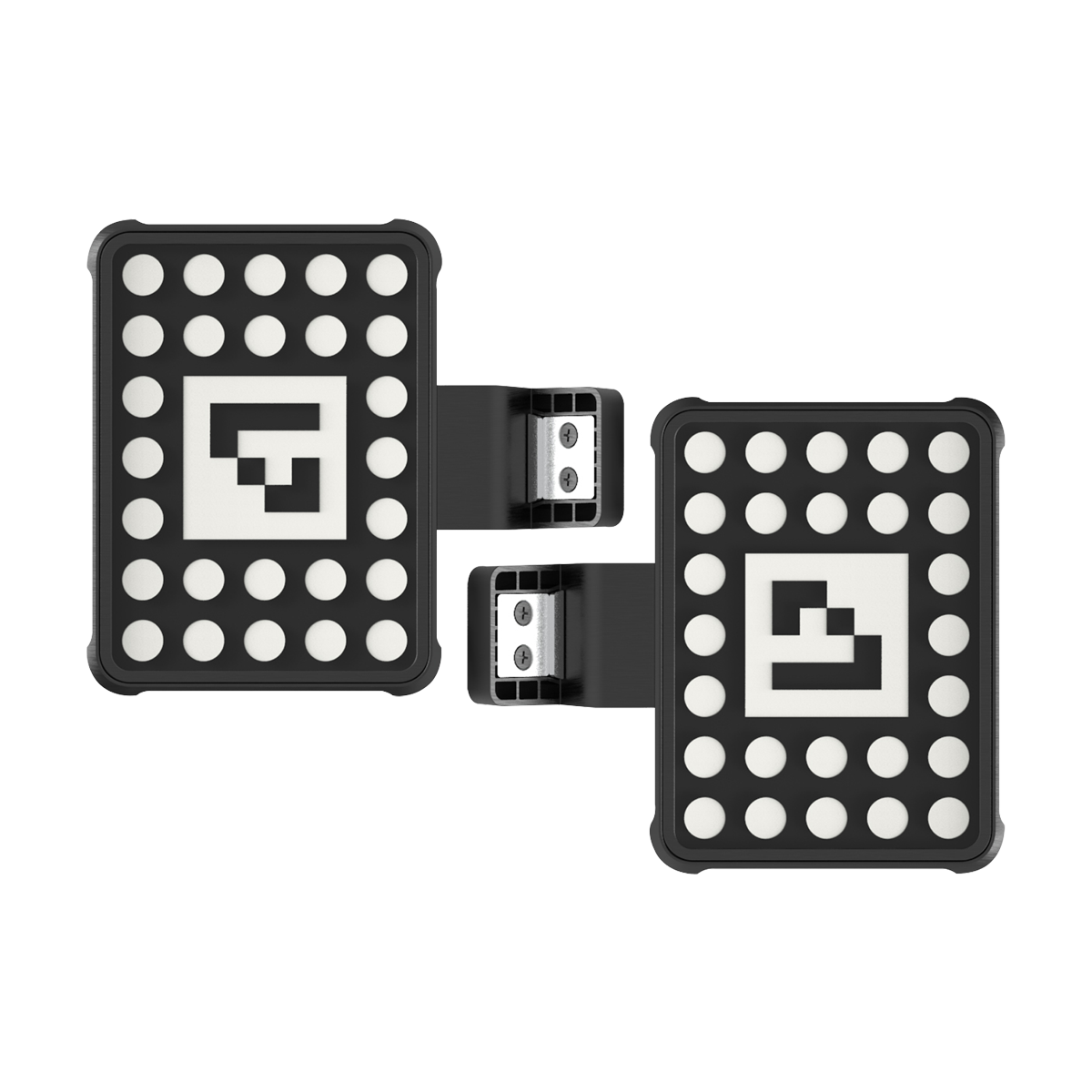
Autel Wide Angle Target CSC0500-21
$387.09 Add to cart -
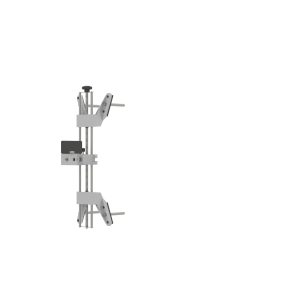
COJALI USA ADAS – Laser wheel alignment tools (2 units)
$2,105.25 Add to cart
Why Shops Choose This Equipment
Proper alignment prevents uneven tire wear, saving shops and fleets significant money on premature replacements.
Alignment verification after ADAS recalibration ensures camera and sensor angles meet OEM specifications accurately.
Mobile technicians add billable alignment checks to every suspension, steering, or collision repair job.
Modern alignment systems integrate with diagnostic platforms, streamlining workflow and reducing total vehicle inspection time.
Fleets reduce fuel costs measurably when all vehicles maintain manufacturer-specified alignment tolerances consistently.
Wheel Alignment Equipment for Heavy-Duty Trucks: A Professional Buyer's Guide for Fleets and Repair Shops
What Wheel Alignment Equipment Covers and Why It Matters for Commercial Operations
Wheel alignment in the heavy-duty commercial truck segment is a fundamentally different discipline from passenger car alignment. The forces acting on a Class 6ÔÇô8 vehicle, the sheer physical size of the axles, and the consequences of misalignmentÔÇöaccelerated tire wear, fuel inefficiency, and compromised handling under loadÔÇömake precision alignment equipment not a luxury but an operational necessity. For fleets running hundreds of trucks, even a modest misalignment across a dozen units translates directly into five-figure tire replacement costs and measurable fuel consumption penalties.
The category encompasses a wide range of equipment: wheel alignment systems using camera-based or wireless sensor heads, alignment racks and drive-on lifts designed to handle gross vehicle weights beyond what passenger-car equipment can support, turnplates and slip plates for measuring steering geometry accurately, and the software platforms that tie measurements into adjustable parameters. Some systems are fixed bay installations; others are portable or semi-portable for mobile technicians or fleet yards without dedicated alignment bays. Understanding what falls within this category is the first step to selecting equipment that matches your actual workload.
Modern commercial alignment systems also increasingly integrate with ADAS calibration workflows. As trucks are equipped with lane-departure warning, automatic emergency braking, and adaptive cruise control, alignment is no longer just about tire lifeÔÇöit is a prerequisite for accurate ADAS sensor calibration. A truck that is out of alignment cannot be properly calibrated, and an improperly calibrated ADAS system represents both a safety liability and a regulatory exposure. Fleet managers and shop owners who invest in proper alignment equipment are laying the groundwork for a compliant, future-ready service operation.
Types of Heavy-Duty Alignment Systems and How They Work
The most commonly deployed commercial truck alignment systems use wireless or cabled sensor headsÔÇötypically four heads, one per axle position measuredÔÇöthat communicate angle, camber, caster, and toe data back to a central console or tablet interface. Camera-based systems use targets mounted to the wheels and overhead cameras to calculate alignment angles without contact sensors touching the rim, reducing setup time and eliminating the calibration drift that wired sensor units can develop over time. Both approaches are well-suited to heavy-duty applications when the system is rated for the wheel sizes and vehicle weights involved.
Portable alignment systems designed for fleet yards or mobile technicians typically use a scaled-down sensor arrangement with fewer reference points but can still deliver acceptable accuracy for routine toe-and-go alignment checks between major service intervals. These systems sacrifice some of the geometric accuracy of a full four-wheel alignment but allow a fleet yard to catch severe misalignment quickly and flag units for deeper service. The tradeoff between portability and precision is one of the central decisions buyers in this category must navigate.
- Four-wheel alignment systems: Full geometric measurement including caster, camber, toe, and axle offset across all steerable and drive axles
- Thrust-line alignment systems: Measure and correct toe relative to the vehicle's thrust axis; common for trucks with non-adjustable rear axles
- Portable/fleet check systems: Simplified toe and tracking measurement for yard use or mobile technicians
- Specialty tandem axle systems: Configured specifically for dual drive axle geometry and scrub angle measurement
Drive-on alignment racks for heavy-duty trucks require substantial structural specifications: load ratings that account for fully loaded tandem configurations, long enough drive-on length for extended wheelbase vehicles, and integrated turnplates and slip plates sized for commercial truck tires. Some facilities use above-ground ramps with pit-accessible underside views; others work from surface-mounted systems with chassis lifts. The rack choice is inseparable from the alignment system choice because the two must be physically and functionally compatible.
Day-to-Day Workflow in a Heavy-Duty Alignment Bay
A realistic heavy-duty alignment workflow begins well before the vehicle reaches the alignment bay. A pre-inspection of steering componentsÔÇötie rods, drag links, king pins, wheel bearings, and air suspension componentsÔÇöis essential because no alignment measurement is meaningful on a truck with worn or loose steering geometry. Many experienced alignment technicians will refuse to perform an alignment until worn components are identified and either replaced or documented. Building a pre-alignment inspection checklist into your shop's workflow protects both the quality of the alignment and the shop's liability exposure.
With a camera-based or wireless sensor system, the typical workflow involves mounting wheel clamps and targets, entering vehicle data into the software (year, make, model, configuration), and running an initial measurement pass with the steering centered. The software compares measured values to specification and highlights out-of-tolerance conditions. The technician then makes adjustmentsÔÇötypically to tie rod ends for toe, and to any adjustable cam bolts or eccentric washers for caster and camber where the vehicle design allows. A final measurement pass confirms the vehicle is within spec before it leaves the bay.
For shops handling a high volume of trucks, throughput is a primary concern. Systems that reduce clamp mounting time, provide fast wireless data acquisition, and offer clear graphical interfaces that junior technicians can interpret correctly will have a measurable impact on bay productivity. Some shops run a dedicated alignment lane separate from general repair bays to avoid the overhead of moving equipment in and out. Planning the physical workflowÔÇövehicle flow into and out of the bay, storage of turnplates and slip plates, cable routing if not wirelessÔÇöis as important as the equipment selection itself.
Choosing the Right System for Your Shop Size and Vehicle Mix
A single-location independent shop handling five to ten trucks per week has very different requirements than a fleet maintenance operation running fifty or more alignments monthly. The independent shop needs a system that a small team can operate without a dedicated alignment specialist, with good manufacturer support, reliable software updates, and the ability to look up specifications across a broad range of makes and models. The fleet operation may prioritize integration with fleet management software, the ability to generate documented alignment records for compliance or warranty purposes, and a system rugged enough to handle continuous daily use.
Vehicle mix is a critical specification filter. A shop that handles primarily straight trucks and vans has simpler requirements than one working on Class 8 tractors with 40-inch bunk sleepers and 22.5-inch wheels. Shops serving vocational fleetsÔÇödump trucks, concrete mixers, refuse vehiclesÔÇöneed systems that can handle modified or non-standard suspension configurations and that offer enough flexibility in setup to accommodate unusual wheelbases and axle configurations. Always verify that the alignment system you are evaluating has specific heavy-duty truck coverage in its vehicle database, not just passenger car and light truck coverage with commercial models bolted on as an afterthought.
- Evaluate vehicle database depth: does it include your specific makes, model years, and configurations?
- Confirm wheel clamp compatibility with your tire size range, particularly for super-single or wide-base tires
- Assess whether your typical wheelbase fits within the system's measurement reach without repositioning
- Determine if you need tandem axle measurement capability or if steering axle alignment suffices for your customer base
- Consider whether mobile or portable capability is needed for yard service or roadside support
Mobile technicians face unique constraints: power supply in the field, the absence of a fixed rack or lift, and the need to get meaningful measurements from a truck parked on imperfect surfaces. Portable alignment tools for mobile use typically rely on stringline or laser-based toe measurement rather than full geometric analysis, and buyers should understand these limitations clearly. A portable system is a complement to, not a replacement for, a full bay alignment system in most commercial service operations.
Compatibility and Integration with ADAS and Diagnostic Systems
As ADAS systems proliferate across commercial truck fleetsÔÇömandated or incentivized by insurance carriers, fleet safety programs, and federal regulationsÔÇöalignment equipment vendors have begun integrating their platforms with ADAS calibration workflows. Some alignment consoles now output alignment data directly to calibration software, providing documented proof that the vehicle was in-spec before a radar or camera calibration was performed. This integration matters both for technical accuracy and for liability documentation: if a post-collision ADAS calibration is later questioned, having a timestamped alignment record from the same service visit is significant.
Diagnostic tool integration is another consideration for shops investing in alignment equipment alongside scan tools and ADAS calibration targets. Some manufacturers offer alignment systems that communicate with OBD-II or J1939 network data, pulling suspension and steering DTCs before or during the alignment process. This reduces the chance that a technician completes an alignment on a truck with an active fault affecting suspension geometry. Before purchasing, ask vendors specifically about their integration roadmap and what third-party diagnostic platforms their alignment system is certified to work alongside.
Lift and rack compatibility requires attention at the purchasing stage, not after delivery. Drive-on racks, two-post lifts, and four-post lifts all interact differently with alignment systems, and some alignment console setups assume a specific lift configuration. Verify with the vendor that your existing lift infrastructureÔÇöor the lift you plan to purchase alongside the alignment systemÔÇöis tested and supported. Incompatible combinations create measurement errors that are difficult to diagnose and undermine the accuracy of every alignment performed.
Space, Setup, and Facility Requirements
A proper heavy-duty alignment bay requires more floor space than most shops initially plan for. Beyond the truck itself, you need clearance for the technician to move around all four corners safely, space for the alignment console and any camera towers if applicable, and room to store turnplates, slip plates, and wheel clamps when not in use. Overhead clearance matters for trucks with sleeper cabs or high-roof bodies. Before finalizing equipment selection, sketch your bay dimensions against the system's installation requirementsÔÇömost vendors provide layout guides, and it is worth requesting a site survey from the manufacturer or distributor for major installations.
Electrical requirements for commercial alignment systems vary. Camera-tower systems may require ceiling or wall mounting with specific power drops; wireless sensor systems may run on charging stations that need dedicated circuits. Some alignment racks integrate hydraulic or pneumatic systems with their own power requirements. Confirm that your facility's electrical service can support the full load of the alignment system running simultaneously with other bay equipment, particularly if you are in a shop where multiple bays are active concurrently.
Maintenance, Calibration, and Long-Term Reliability
Alignment equipment is only as accurate as its most recent calibration. Sensor heads, camera systems, and targets all require periodic factory or certified calibration to remain within specification. Most manufacturers recommend annual calibration at minimum, and more frequent calibration if the equipment has been dropped, struck, or subjected to temperature extremes. Understand the calibration service model before purchasing: some vendors offer on-site calibration; others require the equipment to be shipped to a service center. Factor calibration downtime and cost into your total cost of ownership calculation.
Wheel clamps and turnplates are wear items that see significant mechanical stress in a heavy-duty environment. Clamps that were designed for light-duty trucks will fail prematurely on the heavier wheel assemblies common in commercial operations. Purchase clamps rated for your heaviest anticipated wheel weight, and inspect them regularly for cracks, deformation, or worn locking mechanisms. Turnplates and slip plates should be kept clean and lubricated to ensure they provide accurate, low-friction support during measurementÔÇödirt and corrosion on a slip plate directly affects the accuracy of toe readings.
Software maintenance is an ongoing operational cost that buyers sometimes underestimate. Vehicle specification databases require regular updates as new model years and configurations enter service. Alignment software platforms issue updates to fix measurement algorithms, improve user interface workflows, and maintain compatibility with updated operating systems. Shops that allow their alignment software to fall behind on updates find themselves unable to look up specifications for newer vehicles and potentially running on software with known inaccuracies. Confirm what the software subscription or update model looks like over a five-year horizon and build that cost into your budget.
Key Buying Considerations Before You Purchase
Purchasing heavy-duty alignment equipment is a significant capital decision, and a thorough evaluation process protects the investment. Start with a clear picture of your current alignment volume and your realistic growth projection. Undersizing equipment to save upfront cost creates bottlenecks as volume grows; oversizing for a shop that will never use advanced features is poor capital allocation. Define your minimum requirementsÔÇöaxle configurations supported, wheel size range, vehicle database coverageÔÇöand treat those as non-negotiable filters before comparing systems on price or brand.
- Verify dealer and service support: Confirm that qualified service technicians can reach your location within a reasonable window. Alignment equipment downtime is directly lost revenue, and remote support alone is insufficient for hardware failures.
- Request a demonstration on your vehicle types: Any reputable vendor should be willing to demonstrate the system on trucks representative of your actual customer fleet before you commit to a purchase.
- Evaluate training depth: Ask specifically what is included in initial training, whether refresher training is available, and whether the manufacturer offers certification for your technicians.
- Understand the warranty structure: Differentiate between the warranty on the console, the sensor heads, the clamps, and the software. These components often carry different warranty periods and terms.
- Check parts availability: For long-term reliability, confirm that replacement clamps, targets, and wear parts are stocked domestically and available within a reasonable lead time.
- Assess upgrade path: Ask whether the system you are buying today can be upgraded to support ADAS integration, additional axle configurations, or expanded vehicle databases as your needs evolve.
- Consider financing and lease options: Many commercial equipment vendors offer lease or financing structures that align equipment payments with the revenue the equipment generates, preserving working capital for other shop investments.
The alignment equipment market includes established global manufacturers with long track records in commercial vehicle service and newer entrants competing on price or software sophistication. Neither age nor price alone is a reliable quality indicator. The most reliable evaluation process is direct conversation with other heavy-duty shops using the system you are consideringÔÇöask about accuracy over time, software update reliability, how quickly technical support responds, and whether they would purchase the same system again knowing what they know now. That ground-level technician perspective, combined with rigorous pre-purchase specification matching, is the most dependable path to a wheel alignment investment that delivers accurate results, supports your ADAS workflow, and holds up under the daily demands of a professional heavy-duty shop.