Bosch Calibration & Diagnostic Tools
Professional-grade Bosch ADAS calibration and diagnostic equipment — sourced for heavy-duty repair shops, fleets, and mobile technicians.
Featured Bosch Tools & Pricing
-
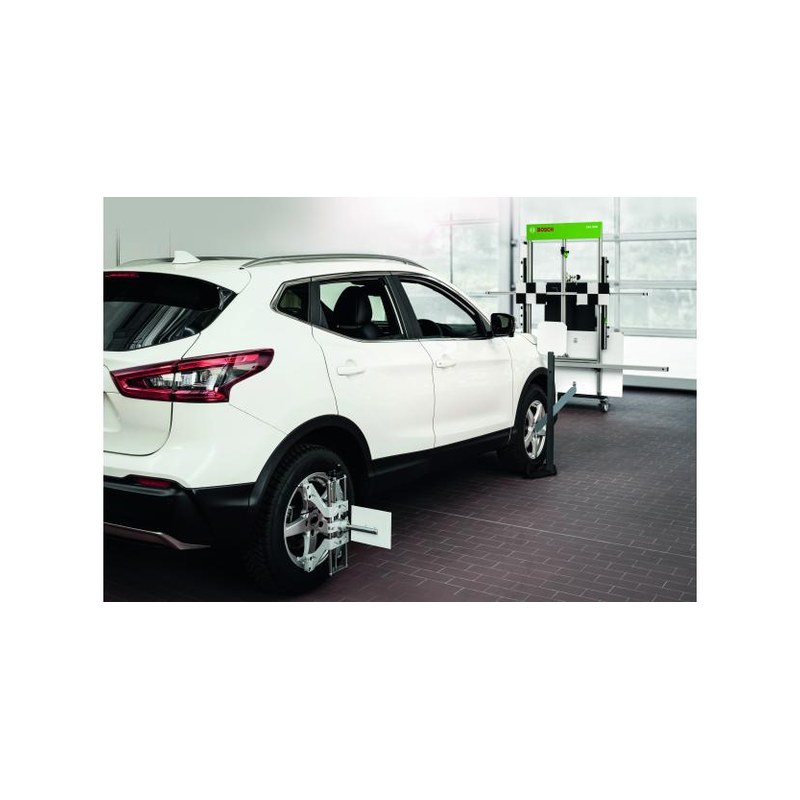
Bosch ADAS Bundle
$40,741.36 Add to cart -
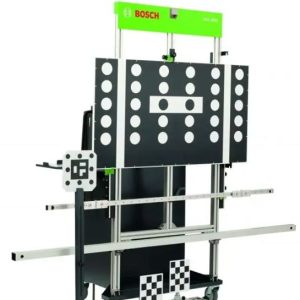
Bosch ADAS Master Recalibration Solution – ITEM ID; BODAS3000-1 Complete Solution – BOSDAS3000-1
$39,498.98 Add to cart -
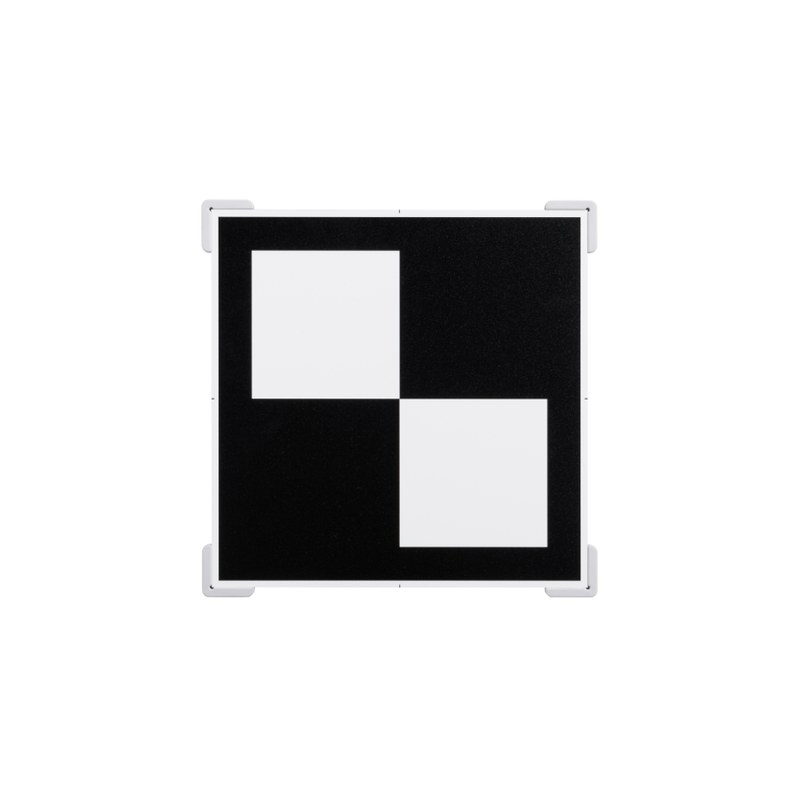
Bosch ADAS Subaru Target Package – 3 Targets and Slide Bar
$1,649.99 Add to cart -
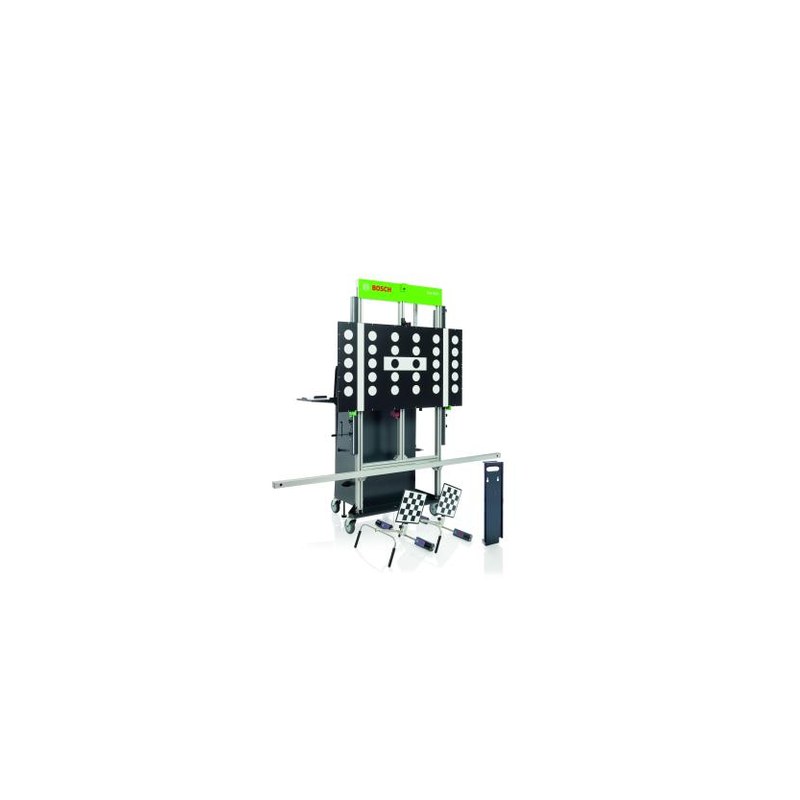
Bosch ADAS Upgrade Kit
$32,710.43 Add to cart -
Bosch ADAS Upgrade Kit – BOSDAS3000-2
$32,710.43 Add to cart -
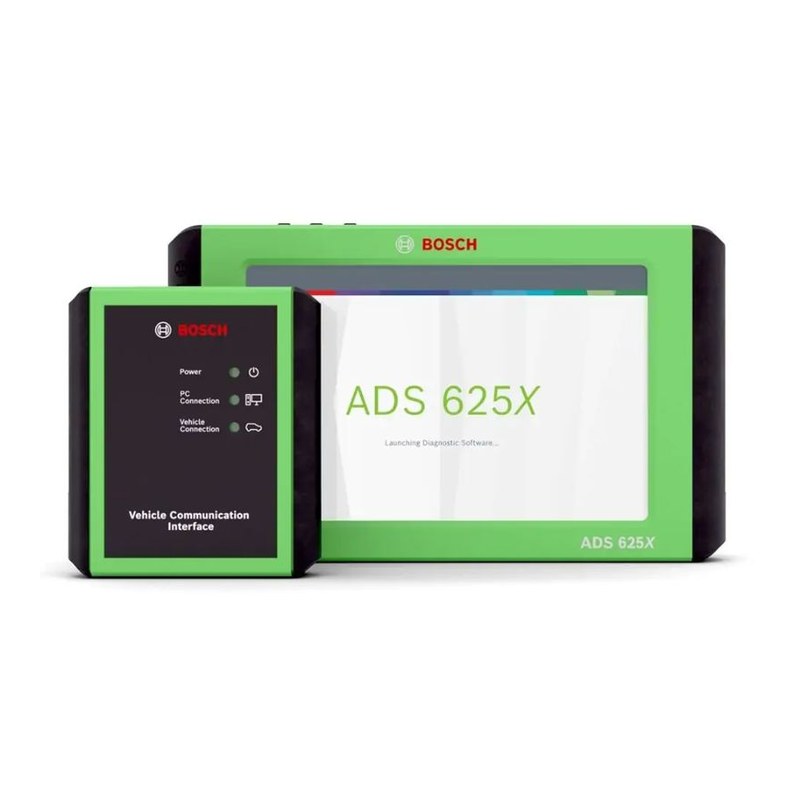
Bosch ADS 625X Diagnostic Scan Tool – BSD3975
$4,450.00 Add to cart -
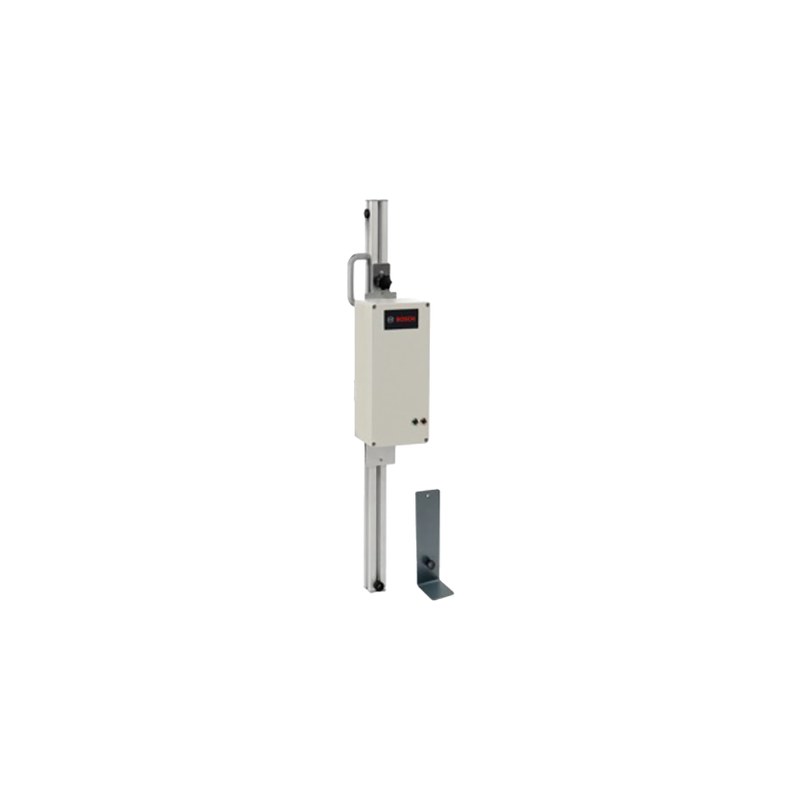
Bosch Doppler Simulator
$3,349.99 Add to cart -

Bosch Honda & Acura Target Boards (CTA203)
$749.99 Add to cart -
Bosch Honda & Acura Target Boards (CTA205)
$599.99 Add to cart -
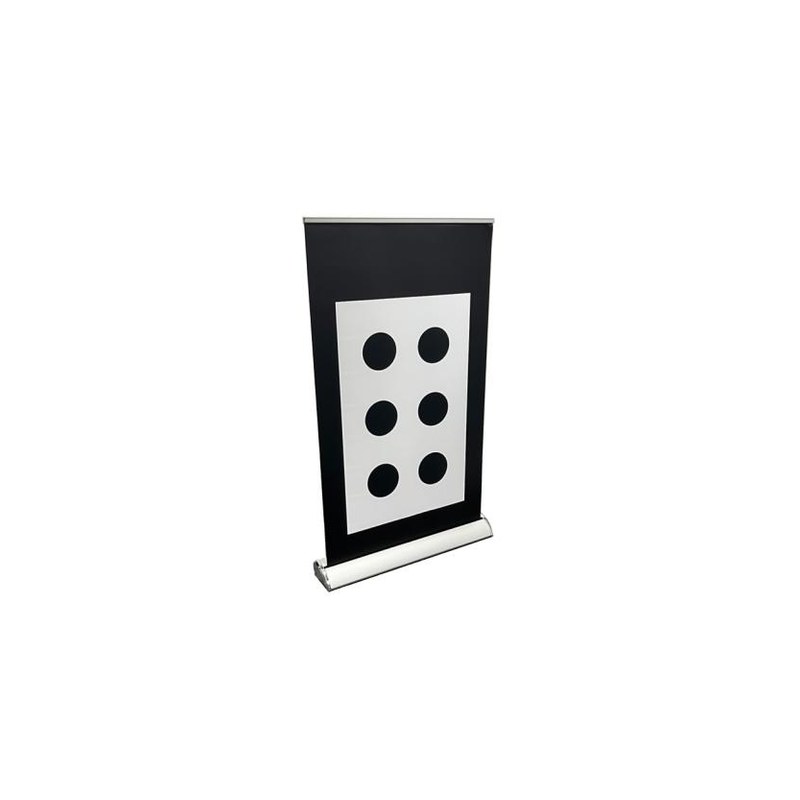
Bosch Honda LaneWatch Target
$1,799.99 Add to cart -
Bosch Hyundai and KIA Target Boards
$599.99 Add to cart -
Bosch Hyundai, KIA and Genesis Target Boards
$1,199.99 Add to cart -
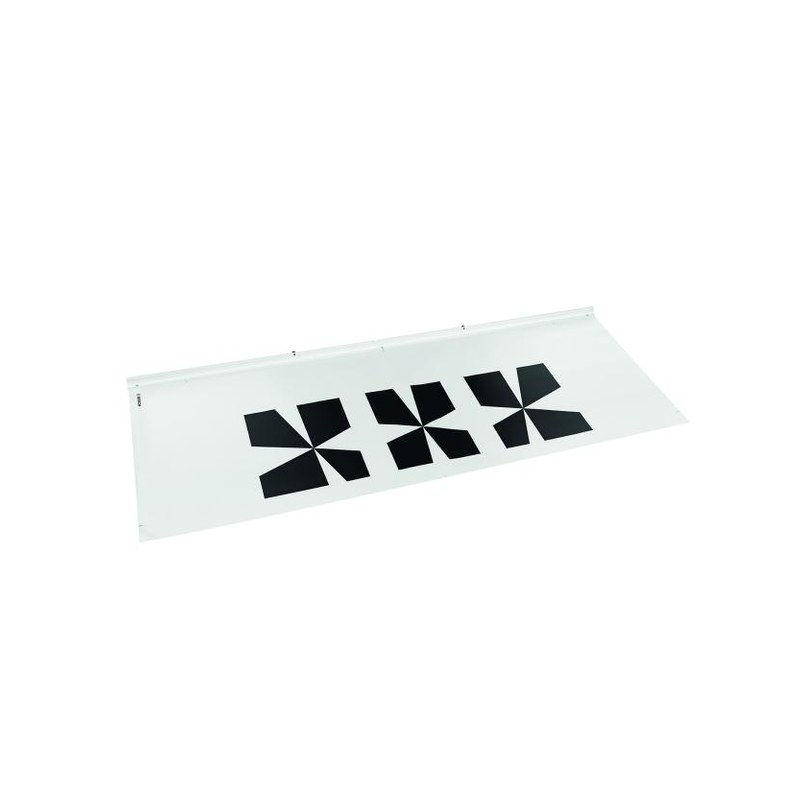
Bosch Mercedes Rear View Floor Mat Target
$2,206.57 Add to cart -
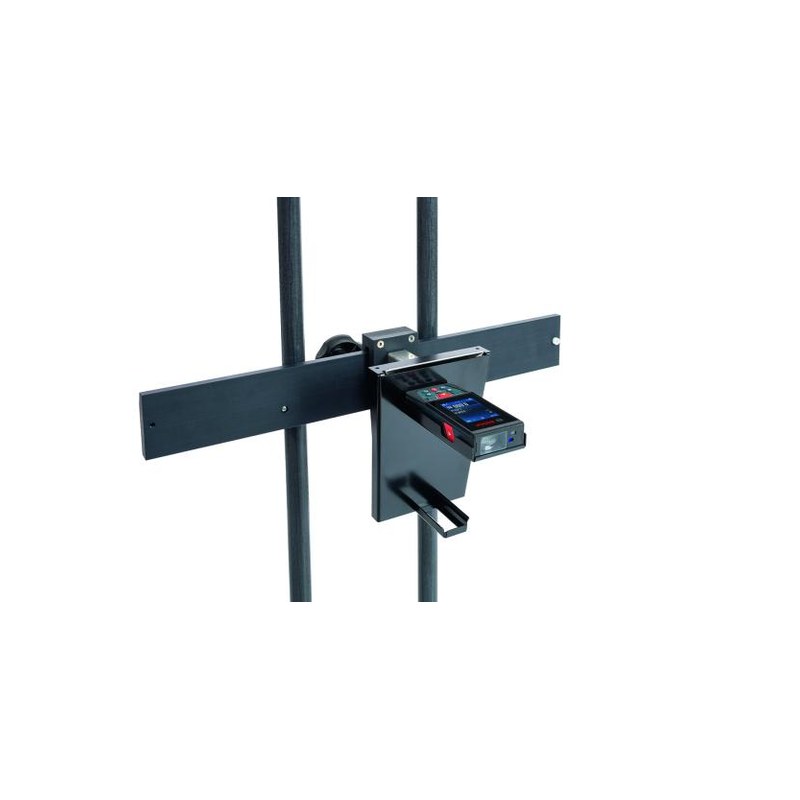
Bosch Millimeter Wave Radar Tool
$7,524.99 Add to cart -

Bosch Mitsubishi Target Boards
$699.99 Add to cart -

Bosch Nissan & Infiniti Target Boards (CTA212)
$599.99 Add to cart -

Bosch Nissan & Infiniti Target Boards (CTA218)
$599.99 Add to cart -

Bosch Nissan, Infiniti and Mercedes-Benz Target Boards
$599.99 Add to cart
Why Shops Choose Bosch
Bosch's integrated OEM data ensures pinpoint ADAS calibration accuracy across 99% of vehicle makes and models.
Field-proven durability means Bosch tools survive daily shop abuse without costly downtime or warranty headaches.
Seamless software updates push new vehicle coverage automatically, keeping technicians ahead of emerging ADAS systems.
Bosch's dedicated technical support line resolves calibration issues fast, minimizing vehicle turnaround time on the lift.
Unified hardware handles passenger cars and light trucks, reducing capital investment without sacrificing diagnostic capability.
Bosch ADAS Calibration Tools: The Professional's Guide to Choosing the Right System for Your Shop
Understanding the Bosch ADAS Ecosystem
Bosch occupies a unique position in the ADAS calibration market that no other tool manufacturer can match: they are simultaneously an OEM supplier of the very sensors, cameras, and radar modules found in millions of vehicles, and a provider of aftermarket diagnostic and calibration equipment. This vertical integration means that when a Bosch ADAS calibration tool guides a technician through a front radar or forward-facing camera calibration, the software logic and target specifications are informed by deep engineering knowledge of how those components were designed to function. For heavy-duty truck repair shops and fleets, this pedigree translates directly into confidence and accuracy on the shop floor.
The Bosch ADAS product lineup centers on two main pillars: the ADAS 2000 calibration target system and the DAS 3000 dynamic calibration platform, supported by the ESI[tronic] 2.0 diagnostic software suite. These tools are designed to work in conjunction with Bosch's broader diagnostic ecosystem, including the ADS series of scan tools. Rather than operating as a standalone island of functionality, Bosch ADAS equipment integrates into a workflow that moves from vehicle health scan, to calibration target setup, to static or dynamic calibration execution, and finally to post-calibration verification ÔÇö all within a unified environment that reduces room for human error.
What Bosch Offers: Core Products and Their Roles
The Bosch ADAS 2000 is a comprehensive static calibration frame and target system designed for in-bay calibration of forward-facing cameras, radar units, night vision systems, and surround-view cameras. The system uses a rolling, adjustable frame with precisely manufactured calibration boards and reflective targets that meet OEM positioning specifications. The companion software walks technicians through vehicle identification, target placement dimensions, and step-by-step calibration sequences pulled directly from OEM procedures ÔÇö a critical feature for liability and quality control purposes.
For dynamic ADAS calibrations ÔÇö procedures that require the vehicle to be driven at a specific speed while the system self-calibrates using road markings ÔÇö Bosch provides integration through the ADS 625X and ADS 625 scan tool platforms. These units can initiate and monitor dynamic calibration routines, communicate fault codes in real time, and log calibration results for documentation. For shops handling commercial trucks, this means access to J1939 and J1587 heavy-duty protocols alongside the passenger vehicle coverage, making the toolset genuinely versatile across a mixed bay environment.
Bosch also offers the DAS 3000 for shops requiring a higher-throughput or more automated solution. The DAS 3000 integrates vehicle measurement, target positioning, and calibration execution into a more guided workflow, reducing the per-vehicle setup time that can otherwise erode the profitability of ADAS calibration services. For high-volume fleet service operations or dealerships handling significant ADAS repair volume, the DAS 3000 represents a meaningful step up in efficiency.
Vehicle and System Coverage for Heavy-Duty and Commercial Applications
One of the first questions any professional shop asks before investing in an ADAS calibration platform is: what vehicles does it actually cover, and how deep does that coverage go? Bosch's coverage for commercial and heavy-duty vehicles is more extensive than many competing systems, reflecting the brand's long history supplying braking, steering, and electronic systems to truck OEMs. The platform supports calibration procedures for vehicles equipped with Bendix, Wabco, and Knorr-Bremse ADAS modules ÔÇö the dominant names in heavy-duty active safety ÔÇö as well as OEM-branded systems from Freightliner, Kenworth, Peterbilt, Volvo Trucks, Mack, and International.
Specific ADAS systems within scope include forward collision warning (FCW), automatic emergency braking (AEB), adaptive cruise control (ACC), lane departure warning (LDW), lane-keeping assist (LKA), blind-spot detection (BSD), and surround-view camera systems. Calibration procedures are system-specific and often sensor-specific: a forward radar calibration for a Freightliner Cascadia with Detroit Assurance follows a different procedure than a Mack Anthem with Bendix Wingman Fusion, and Bosch's software database distinguishes between these at the vehicle identification level. This specificity matters because performing a calibration with the wrong target distances or software version can result in a system that appears calibrated but performs inaccurately in real-world emergency situations.
For fleets operating mixed assets, Bosch's dual coverage of commercial and light-duty vehicles is a legitimate workflow advantage. A mobile technician or fleet service center does not need to carry two separate calibration platforms for a fleet that includes Class 8 tractors alongside pickup trucks and vans. The same ADAS 2000 target system and software license can handle both, reducing capital expenditure and training overhead significantly.
Software, Updates, and Ongoing Support Structure
Bosch's ESI[tronic] 2.0 software platform is subscription-based, with updates delivered online and covering both diagnostic data (DTCs, live data PIDs, guided diagnostics) and calibration procedures. The update cadence is meaningful for shops working on late-model vehicles: ADAS procedures for new model years are added as OEM calibration data becomes available, and the platform includes revision history so technicians can confirm they are working from the most current procedure version. This is particularly important in the heavy-duty segment, where OEM software updates to ADAS control modules can change calibration requirements within a model year.
The software interface provides step-by-step visual guidance through each calibration procedure, including target placement measurements referenced from vehicle-specific datum points (typically front axle centerline or front bumper face), required environmental conditions such as minimum bay lighting levels and floor flatness tolerances, and confirmation checkpoints before the calibration sequence initiates. This structured approach serves both novice and experienced technicians, reducing the cognitive load of managing procedure steps while providing experienced users with the detailed data they need to troubleshoot when calibration attempts fail.
Bosch supports the platform through a network of regional technical support specialists and online resources, including the Bosch Diagnostics training portal. For shops that are new to ADAS calibration, Bosch offers both in-person and remote training options. This matters at the business level: a tool that arrives in a shop without adequate training support tends to sit underutilized, which undermines the return on investment. Bosch's training infrastructure is more developed than many competitors in this space, reflecting the brand's scale and commitment to aftermarket support.
Real-World Shop Workflow: From Estimate to Documentation
Understanding how Bosch ADAS tools fit into a real shop day requires looking at the full workflow, not just the calibration step itself. A typical ADAS-related repair begins with a scan: the technician connects a Bosch ADS scan tool, retrieves active and stored DTCs, and identifies which ADAS systems are flagged. If a calibration is required ÔÇö triggered by sensor replacement, windshield replacement, a collision repair, or an OEM-specified mileage/service interval ÔÇö the scan tool communicates that requirement directly, and the workflow transitions to the ADAS calibration module.
Target setup with the ADAS 2000 frame takes experience and practice to perform efficiently. Technicians report that the first several vehicles have a learning curve around properly measuring and positioning targets relative to vehicle-specific datum points, but that with repetition the setup time decreases substantially. The software provides a checklist-based pre-calibration verification that catches common errors ÔÇö misidentified vehicle, incorrect target height, insufficient bay depth ÔÇö before the calibration is initiated, which reduces wasted time on failed calibration attempts.
Post-calibration, the Bosch system generates a printable or exportable calibration report that documents the vehicle, date, procedure performed, and pass/fail outcome. For fleet accounts and insurance-related repairs, this documentation is increasingly required as proof that ADAS systems were properly restored after a repair event. Shops that can produce professional calibration records are better positioned to command appropriate labor rates and to defend their work in the event of a liability question arising from a subsequent collision.
How Bosch Compares at a High Level
The ADAS calibration tool market includes strong alternatives from Autel (the IA900 and MaxiSYS ADAS platforms), Hunter Engineering (the ADASLink system), Snap-on (the ADAS-CAL), and OEM-specific solutions. Each has genuine strengths. Autel is typically more aggressive on upfront pricing and offers very broad vehicle coverage including a substantial heavy-duty library. Hunter's ADASLink integrates tightly with their alignment equipment, which is compelling for shops that perform ADAS calibration as part of an alignment workflow. Snap-on's integration with their broader diagnostic ecosystem appeals to shops already invested in that platform.
Bosch's differentiators are its OEM supplier credibility, the depth of procedure data particularly for European makes and for heavy-duty platforms, and the breadth of its support infrastructure. Shops that work heavily on European-spec trucks ÔÇö Volvo, Scania, DAF, MAN, Mercedes-Benz Actros ÔÇö will find Bosch's coverage notably stronger than most competitors. The ESI[tronic] software's integration of both diagnostic and calibration data in a single environment also reduces the workflow friction of toggling between scan tool software and a separate calibration application, a common pain point with some competing setups.
Where Bosch requires more consideration is in upfront cost and the subscription model. The ADAS 2000 system represents a significant capital investment, and the ongoing software subscription is a real operating cost that must be factored into the business case for adding ADAS calibration services. Shops with lower anticipated ADAS volume may find that a less expensive platform delivers adequate return on investment for their situation, while shops with high volume ÔÇö particularly those serving fleet accounts or operating in a market with a high density of late-model commercial vehicles ÔÇö are more likely to justify the Bosch investment.
Buying Considerations for Professional Shops and Fleets
Before purchasing any ADAS calibration system, shops should conduct a realistic vehicle population analysis. Pull ninety days of repair orders and identify which vehicles in your bay required or should have required an ADAS calibration ÔÇö windshield replacements, front-end collision repairs, steering and suspension work on vehicles with lane-keeping or steer-assist systems. This gives you a baseline for volume and helps identify which makes and systems matter most for your specific customer base.
Key questions to answer before committing to a Bosch ADAS investment include:
- What percentage of your bay volume is heavy-duty commercial versus light-duty? Bosch's strength in commercial coverage justifies a premium for shops with significant Class 6-8 work.
- Do you already own Bosch diagnostic equipment? Shops with ADS scan tools gain more value from the ADAS integration than shops starting from scratch with a different diagnostic platform.
- What is your bay depth? Static ADAS calibrations require specific minimum distances between the vehicle and targets ÔÇö in some cases fifteen to twenty feet or more ÔÇö and not every shop can accommodate this without workflow changes.
- What are your floor flatness specifications? OEM calibration procedures specify allowable floor slope tolerances, and some facilities require investment in a level calibration area before ADAS calibration work can be performed accurately.
- What training resources are available locally? Bosch's training network is an asset, but confirming regional availability and scheduling before purchase is prudent.
- What documentation requirements do your fleet or insurance customers impose? If customers require specific calibration report formats or digital records integration, verify compatibility before purchase.
Shops that are new to ADAS calibration should also budget for the non-equipment costs: staff training time, a dedicated calibration bay or bay time reservation system, marketing to existing customers about the new service, and a period of lower efficiency while technicians build proficiency. The business model for ADAS calibration is strong ÔÇö labor rates for calibration work are well above general repair averages, and the service is increasingly impossible for customers to defer ÔÇö but achieving consistent profitability requires realistic planning around the ramp-up period.
Finally, evaluate total cost of ownership rather than upfront price alone. The annual software subscription, any required target or component replacements over time, and the cost of updates should all be factored into a multi-year ownership model. Bosch's platform has a strong track record of long-term software support and parts availability, which reduces the risk of purchasing a system that becomes obsolete or unsupported before the shop has recouped its investment. For professional shops making a long-term commitment to ADAS calibration as a service line, that support continuity is a meaningful factor in the purchasing decision.