Software & Subscriptions
Professional Software & Subscriptions for heavy-duty repair shops, fleets, and mobile technicians — sourced for accuracy, coverage, and uptime.

Why Shops Choose This Equipment
Always-current software ensures your shop stays compliant with the latest ADAS calibration procedures and OEM updates.
Subscription-based access eliminates large upfront costs, letting fleets budget predictably for diagnostic capabilities.
Cloud-connected platforms sync calibration data across multiple technicians, reducing errors and improving workflow consistency.
Instant software updates push new vehicle coverage directly to your tool, expanding revenue opportunities without hardware swaps.
Centralized license management lets shop owners control technician access and track usage across every bay or mobile unit.
Software & Subscriptions for ADAS Calibration: The Complete Buyer's Guide for Professional Truck Shops
What This Category Covers and Why It Matters
ADAS calibration software and subscription services are the intelligence layer that sits behind every calibration procedure, target placement routine, and diagnostic workflow in a modern heavy-duty truck shop. Unlike a physical calibration frame or a target panel, software is the component that tells your technician exactly which procedure applies to a specific truck's radar, camera, or ultrasonic sensor ÔÇö and then guides them through each step with OEM-level precision. For fleets maintaining Class 4 through Class 8 vehicles equipped with lane departure warning, automatic emergency braking, adaptive cruise control, or blind-spot monitoring, this software layer is not optional; it is the difference between a calibration that holds and a liability event waiting to happen.
This category encompasses several distinct product types that shops often conflate but need to evaluate separately. There are standalone ADAS calibration software platforms designed for dedicated calibration tools such as Autel ADAS, Launch, Snap-on, and similar systems. There are OEM-level diagnostic subscription portals that provide access to factory calibration data and TSBs. There are fleet management and reporting modules that log calibration records for compliance and insurance documentation. And there are update subscription packages that keep calibration databases current as new model years, sensor hardware revisions, and software ECU updates roll out across the commercial vehicle market. Understanding which type ÔÇö or which combination ÔÇö your shop needs is the starting point for making a sound purchasing decision.
For heavy-duty truck applications specifically, the landscape is more complex than passenger car ADAS. Commercial vehicles often carry sensors from multiple suppliers ÔÇö Bendix, Mobileye, WABCO, Bosch ÔÇö installed by the OEM but calibrated through the vehicle's proprietary diagnostic architecture. A software subscription that covers Ford and GM thoroughly may offer only limited coverage for a Freightliner Cascadia with a Bendix Wingman Fusion system. Shops that service mixed fleets need to audit their vehicle mix before selecting a platform, and this guide will walk you through exactly how to do that.
How ADAS Calibration Software Is Used Day-to-Day in a Working Shop
In a live shop environment, calibration software is touched multiple times per day, usually starting when a vehicle enters the write-up queue. A technician or service writer pulls up the platform, enters the VIN, and the software interrogates the vehicle's diagnostic bus to identify installed ADAS modules, their current calibration status, and any stored fault codes related to sensor alignment. This initial scan takes only a few minutes but is critical ÔÇö it tells the tech whether the vehicle needs a static calibration (requiring the calibration target to be positioned at specific distances and angles) or a dynamic calibration (requiring a road test at defined speeds under defined conditions), or a combination of both.
During the actual calibration procedure, the software serves as the step-by-step operator. It displays target placement diagrams with vehicle-specific measurements, often pulling these from a constantly updated cloud database rather than a static local library. As the tech positions targets and connects sensors, the software monitors live data streams and signals when alignment parameters fall within the acceptable window. Some platforms offer real-time graphical feedback ÔÇö showing the sensor's field of view shifting as targets move ÔÇö which dramatically reduces the trial-and-error that drives up labor time on unfamiliar vehicle types. When calibration completes successfully, the software writes confirmation data back to the ECU and generates a calibration report that can be printed or exported for the repair order.
End-of-day, the software's administrative and reporting functions come into focus. Subscription platforms that include fleet management modules allow service managers to pull completion reports, track which vehicles in a fleet have completed ADAS checks versus which are overdue, and generate compliance documentation for fleet operators who need to demonstrate that ADAS systems have been maintained. This backend function is increasingly important as fleet operators face pressure from insurers and regulators to document ADAS maintenance records ÔÇö making the software subscription a revenue justification tool, not just a technical one.
Choosing the Right Platform for Your Shop Size and Vehicle Mix
A single-bay mobile technician and a 20-bay dealership service center have fundamentally different software needs, and the subscription market has responded with tiered offerings. For smaller independent shops or mobile operators, per-VIN or per-use models are available through some platforms, which avoids the capital commitment of an annual enterprise subscription when calibration volume is not yet sufficient to justify it. These pay-as-you-go structures typically offer access to the same procedure database as full subscriptions but without fleet reporting modules or multi-user licensing.
Mid-size shops running five to fifteen bays and servicing a predictable vehicle mix ÔÇö say, a regional fleet account heavily weighted toward one or two OEM brands ÔÇö often benefit most from a single-platform annual subscription that covers their core vehicles deeply. The key evaluation criterion here is coverage depth, not breadth. A platform that covers Peterbilt, Kenworth, and International with full static and dynamic calibration procedures, TSB integration, and ECU write-back is more valuable than one that lists fifty brands but handles only partial procedures for most of them. Request a coverage matrix from any vendor you are evaluating and cross-reference it against your actual shop's repair order history before committing.
Large operations ÔÇö fleet service centers, dealership groups, or shops that intentionally position themselves as ADAS specialists ÔÇö typically need multi-platform licensing combined with an OEM portal subscription strategy. This means subscribing to the aftermarket platform for day-to-day workflow efficiency while maintaining access to OEM portals (such as Daimler Trucks' diagnostic portals, PACCAR's service portal, or Navistar's OnCommand system) for vehicles where aftermarket coverage lags or where warranty compliance requires factory documentation. Budget for both and treat them as complementary rather than redundant investments.
Compatibility and Integration with Hardware and Existing Shop Systems
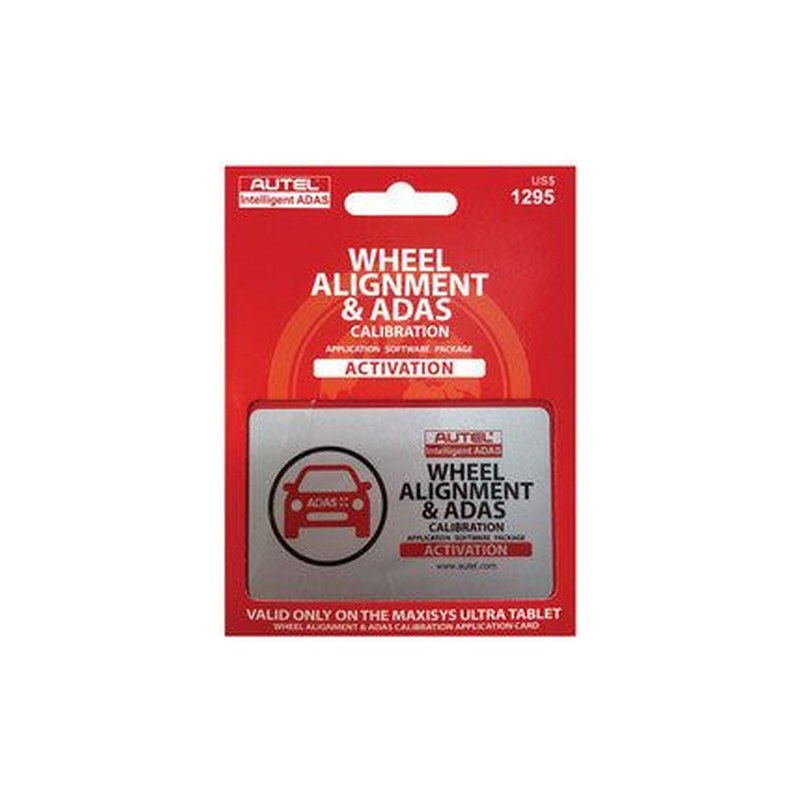
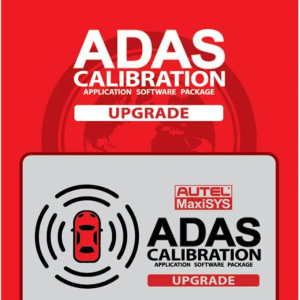
Software compatibility runs in two directions: compatibility with the calibration hardware you already own or plan to purchase, and compatibility with your shop management system. On the hardware side, most dedicated calibration software platforms are tightly coupled to specific tool ecosystems. Autel's ADAS calibration software runs on Autel's MaxiSys and ADAS-specific hardware. Launch's platform integrates with Launch scanners and their X-431 line. Snap-on's ADAS procedures are delivered through their diagnostic platform tied to their Zeus or Triton hardware. If you are building a calibration capability from scratch, this coupling is manageable ÔÇö you select a complete ecosystem. If you are adding software capability to existing hardware, verify compatibility explicitly before purchasing, as cross-vendor software-hardware pairing is rarely seamless.
Integration with your shop management system (SMS) or dealer management system (DMS) is the second compatibility dimension and one that shops frequently overlook during the purchase process. A calibration software platform that cannot push completed calibration data into your SMS creates double-entry work and documentation gaps. Better platforms offer API integrations or at minimum CSV export formats compatible with common SMS platforms. Ask vendors directly whether they offer documented integration with the SMS or DMS you are running, and what the data flow looks like from a completed calibration job through to a closed repair order. This workflow detail has a direct impact on labor efficiency and documentation compliance.
Network and connectivity requirements also deserve attention. Cloud-connected platforms that pull procedure updates in real time require reliable shop WiFi coverage in the calibration bay ÔÇö not always a given in large, metal-dense shop environments. Platforms that offer offline mode with periodic sync provide more operational resilience but require a disciplined update schedule to avoid technicians running stale procedures. Understand what your chosen platform does when it loses connectivity mid-procedure and whether it caches the current procedure locally or interrupts the workflow.
Setup Requirements, Space, and Workflow Integration
Software and subscription platforms have setup requirements that go beyond loading an application. Calibration software typically needs to be installed on a device ÔÇö either a proprietary tablet supplied with the tool system, a ruggedized Windows-based laptop, or in some cases a shop workstation ÔÇö and that device needs to meet minimum specifications for processor speed, RAM, and display resolution. Many modern calibration platforms use live video overlays, augmented-reality target guidance, or high-resolution procedure diagrams that are genuinely impaired on underpowered hardware. Verify the hardware requirements before deploying on existing devices.
From a workflow integration standpoint, the physical location of the software access point matters. Technicians need to reference the software while standing at the vehicle, not at a desk across the shop. Tablet-based platforms solve this naturally. Laptop-based platforms benefit from a rolling cart or tool cart integration that keeps the device at arm's reach during target placement. Some shops run a secondary monitor mounted at the calibration bay entry point to display procedure steps at a readable scale. These are not expensive solutions, but they require deliberate setup decisions that should be made before the first calibration job, not during it.
User account and license management also affect workflow. Multi-user subscription licenses that allow multiple technicians to log in from different devices simultaneously prevent the bottleneck that occurs when a single-seat license is tied to one machine and that machine is in use. For shops where multiple technicians may be calibrating simultaneously ÔÇö or where a service advisor needs to pull reports while a tech is mid-procedure ÔÇö verify the concurrent user terms of any subscription you are evaluating.
Maintenance, Updates, and Long-Term Ownership Considerations
A calibration software subscription is not a one-time purchase with a stable value over its useful life. The vehicle market it must cover is continuously evolving. New model year introductions, mid-cycle ECU software revisions, and OEM sensor hardware updates regularly require corresponding procedure database updates. A subscription that was fully adequate for your vehicle mix in year one may have meaningful coverage gaps by year three if the vendor's update cadence does not keep pace with the market. When evaluating subscription options, ask vendors specifically about their update release frequency, how new vehicle coverage is prioritized, and what the process is for requesting coverage for a vehicle type not currently in their database.
Subscription continuity is a real operational risk. If a vendor discontinues a platform, is acquired, or changes licensing terms mid-subscription, your shop's calibration workflow can be disrupted. Evaluate the financial stability and market position of any software vendor before making it central to your service offering. Established players with large installed bases and hardware ecosystems to protect are generally lower continuity risk than smaller independent software vendors, though the latter sometimes offer deeper coverage in niche vehicle categories. Diversifying across two platforms ÔÇö one primary, one backup ÔÇö reduces this risk at the cost of additional subscription spend.
Training and onboarding costs are real and should be factored into total cost of ownership. The best calibration software in the market does not generate value if technicians are not proficient with it. Most subscription platforms include some level of vendor-provided training ÔÇö online modules, webinars, or train-the-trainer programs. For shops adding ADAS calibration as a new service line, budget for structured onboarding time, not just software activation. Shops that treat software deployment as a self-service event consistently report lower first-year utilization and higher technician frustration compared to those that invest in structured initial training.
Key Buying Considerations Before You Commit
Before signing a software subscription for your ADAS calibration operation, work through the following evaluation checklist with each vendor under consideration:
- Vehicle coverage depth: Request a coverage matrix for your top twenty vehicle makes and models by repair order volume. Evaluate whether coverage includes static calibration, dynamic calibration, and ECU write-back confirmation for each.
- Update frequency and process: Ask how often the procedure database is updated and whether updates are pushed automatically or require manual download.
- Hardware lock-in: Understand whether the subscription is tied to specific hardware and what your options are if that hardware fails or becomes obsolete.
- Concurrent user licensing: Confirm how many simultaneous users or devices the subscription covers and what the cost structure is for adding seats.
- Offline functionality: Determine whether the platform functions without internet connectivity and what limitations apply in offline mode.
- SMS/DMS integration: Verify whether the platform integrates with your shop management system and what the data export or API options are.
- Compliance reporting: Assess whether the platform generates calibration completion documentation suitable for fleet compliance and insurance requirements.
- Support structure: Understand the support tier included in your subscription ÔÇö phone, chat, email, response time commitments ÔÇö and what escalation paths exist for mid-job technical issues.
- Contract terms: Review auto-renewal clauses, cancellation provisions, and what happens to your locally stored calibration records if you do not renew.
ADAS calibration software is fundamentally a recurring operational cost, and the shops that manage it best treat subscription evaluation as an annual process, not a one-time decision. As your vehicle mix evolves, as new sensor technologies enter the commercial fleet market, and as the vendor landscape consolidates, the platform that is right for your shop today may need to be supplemented or replaced in three to five years. Building that review into your annual service planning cycle ensures that your calibration capability stays current and that you are not locked into a platform that has fallen behind the market you are servicing.
For heavy-duty truck specialists in particular, the ADAS software subscription market is still maturing relative to the passenger car side. Coverage gaps exist, update cadences vary, and OEM portal access remains essential for certain procedures. The shops that build a competitive ADAS calibration service offering are those that invest in understanding the software landscape with the same rigor they apply to selecting a calibration frame or a scan tool ÔÇö and that treat the subscription not as a cost to minimize but as the professional capability platform their entire calibration investment depends on.