
Calibration Targets & Components
Professional Calibration Targets & Components for heavy-duty repair shops, fleets, and mobile technicians — sourced for accuracy, coverage, and uptime.
Featured Calibration Targets & Components
-
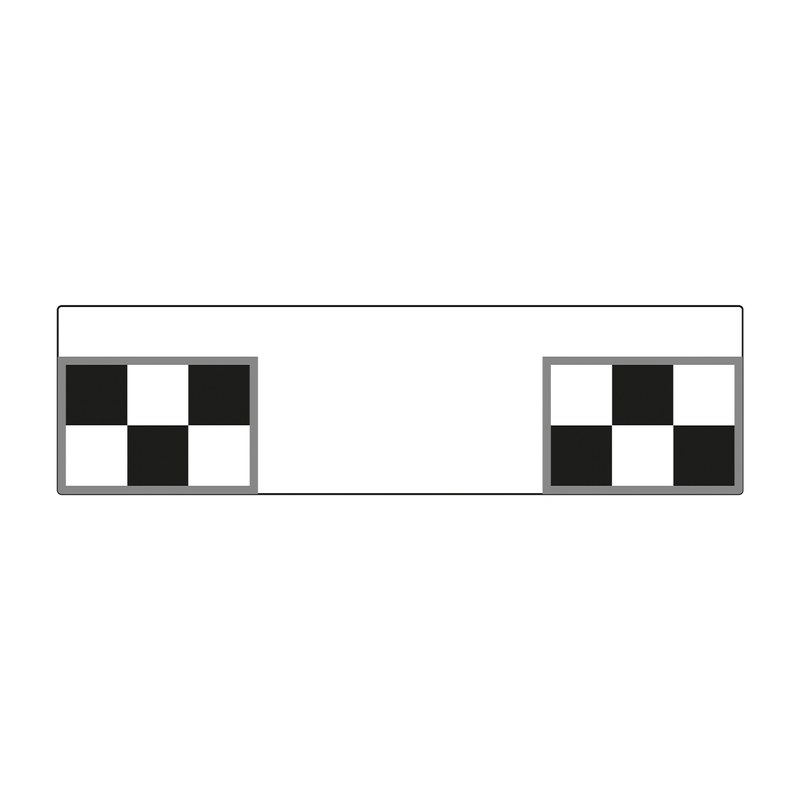
TEXA Front video camera calibration panel for HONDA Type 2 with bubble level (needs support kit 3916839)***
$454.00 Add to cart -

TEXA Front video camera calibration panel for KIA HYUNDAI
$26.00 Add to cart -

TEXA Front video camera calibration panel for KIA/HYUNDAI, FIAT 500X and JEEP RENEGADE Type 2
$195.00 Add to cart -
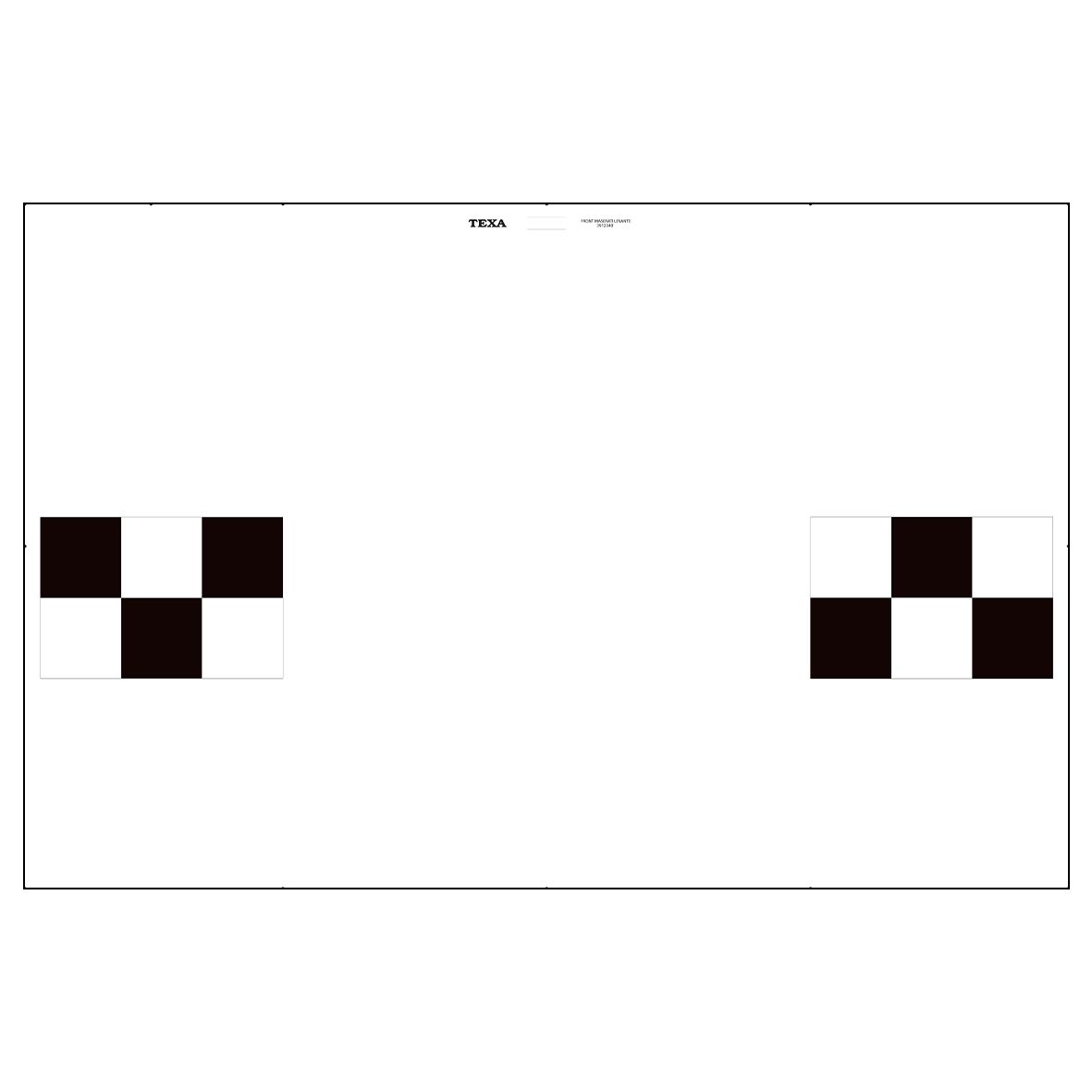
TEXA Front video camera calibration panel for MASERATI LEVANTE with bubble level
$457.00 Add to cart -
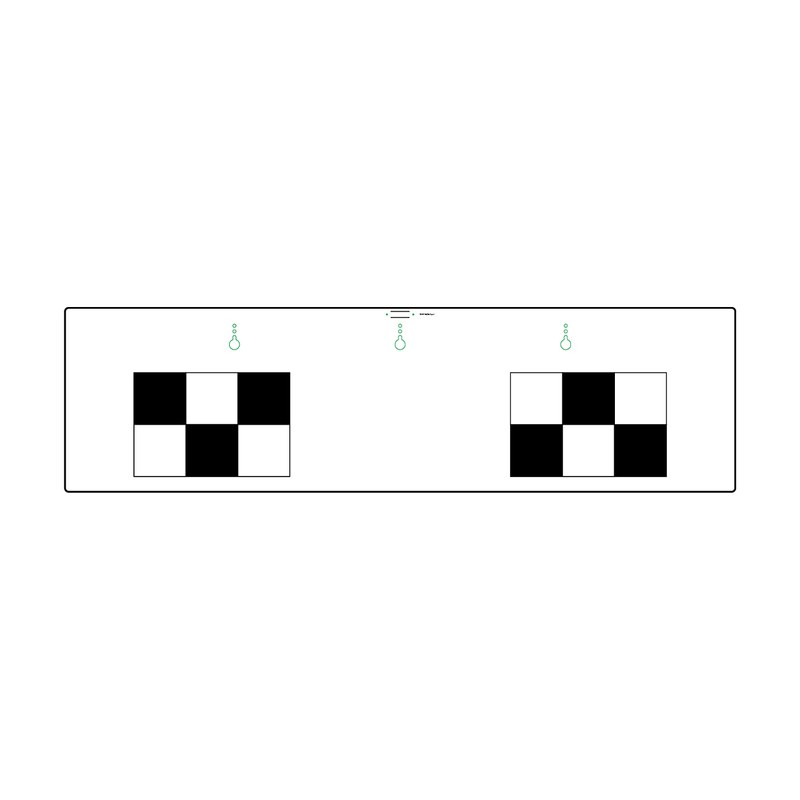
TEXA Front video camera calibration panel for MAZDA Type 2 with bubble level
$480.00 Add to cart -

TEXA Front video camera calibration panel for MAZDA with bubble level
$195.00 Add to cart -

TEXA Front video camera calibration panel for MERCEDES complete with bubble level
$195.00 Add to cart -

TEXA Front video camera calibration panel for MITSUBISHI/SUZUKI with bubble level
$351.00 Add to cart -

TEXA Front video camera calibration panel for NISSAN Type 1 complete with bubble level
$388.00 Add to cart -

TEXA Front video camera calibration panel for NISSAN Type 2 with bubble level
$388.00 Add to cart -

TEXA Front video camera calibration panel for NISSAN/INFINITI complete with bubble level
$325.00 Add to cart -
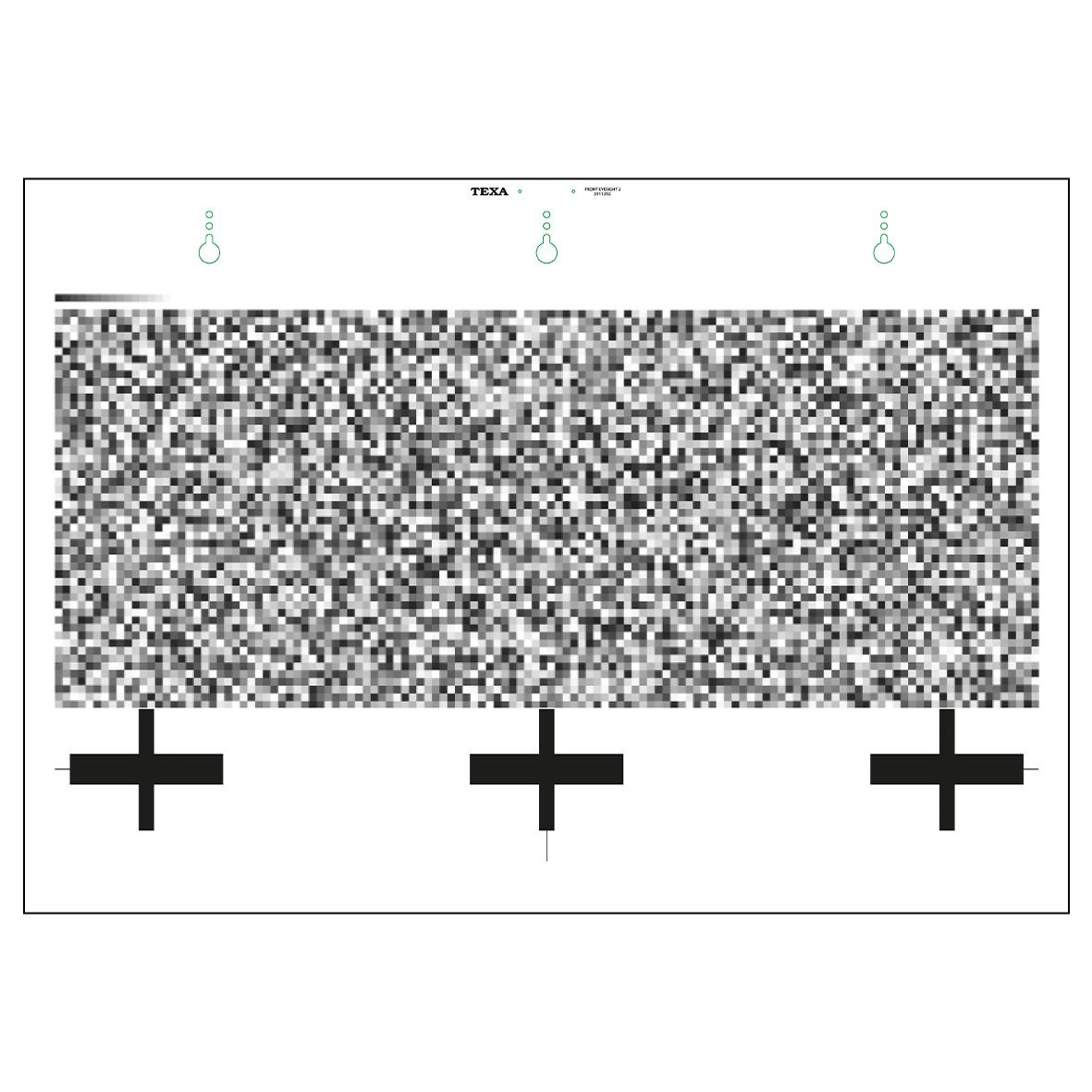
TEXA Front video camera calibration panel for SUBARU EYESIGHT2 with bubble level
$580.00 Add to cart -
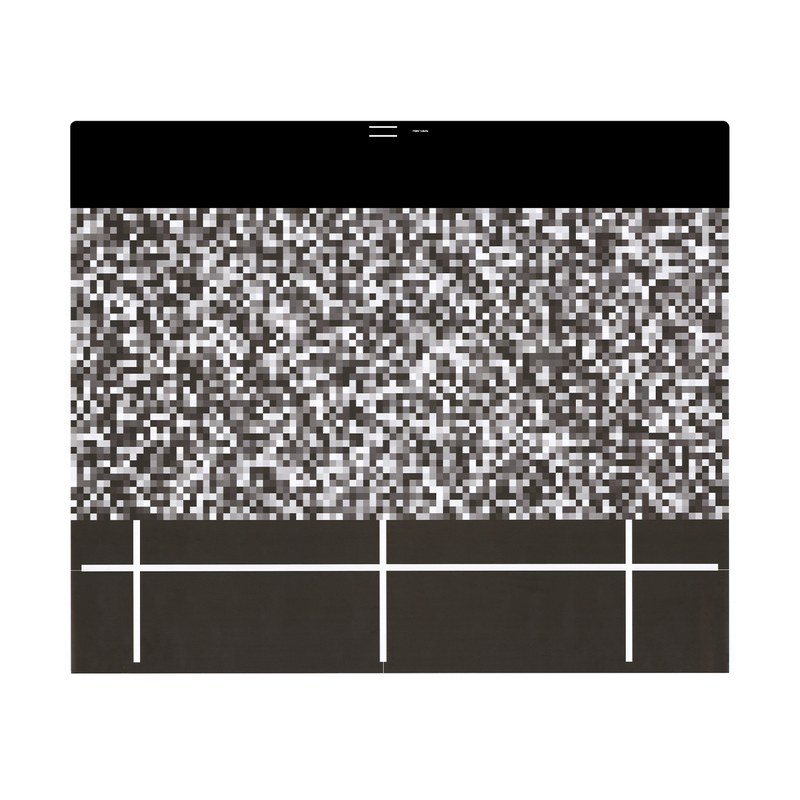
TEXA Front video camera calibration panel for SUBARU with camera mounting template and bubble level
$906.00 Add to cart -
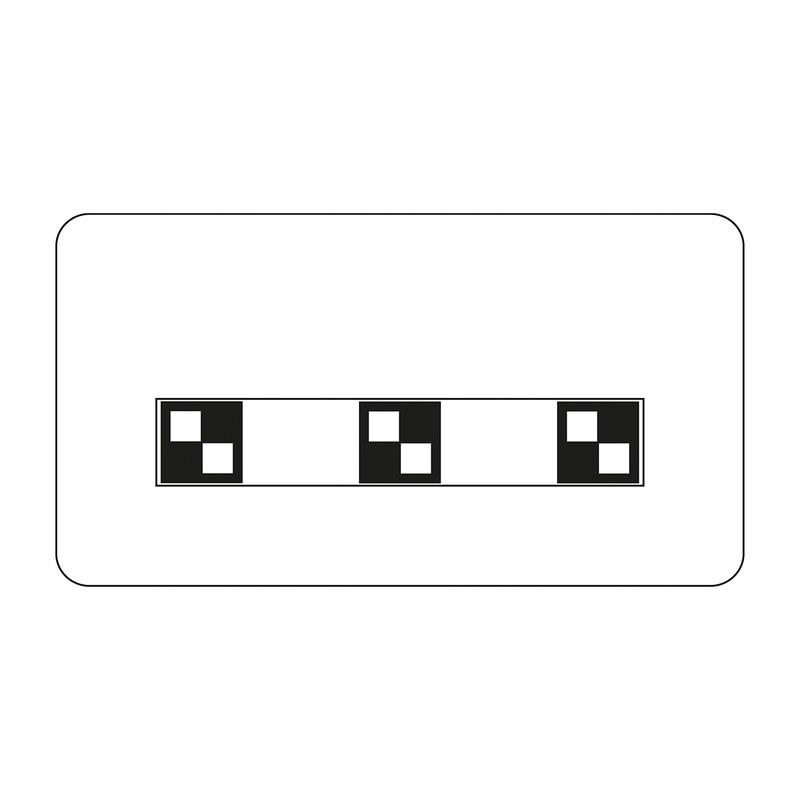
TEXA Front video camera calibration panel for TOYOTA Type 1 with bubble level
$325.00 Add to cart -

TEXA Front video camera calibration panel for TOYOTA Type 2 with bubble level
$583.00 Add to cart -

TEXA Front video camera calibration panel for VAG complete with bubble level
$388.00 Add to cart -

TEXA Front video camera calibration target for HONDA/ACURA USA (needs support kit 3912713)***
$132.00 Add to cart -

TEXA IR CALIBRATION TARGET complete with night vision calibration column for MERCEDES
$1,819.00 Add to cart
Why Shops Choose This Equipment
Precise calibration targets ensure ADAS sensors align accurately, preventing costly recalibration failures and comebacks.
Purpose-built components reduce setup time, letting technicians complete more calibrations per shift.
OEM-spec targets support multi-brand vehicle coverage, expanding billable services without additional equipment investment.
Durable, repeatable target panels maintain dimensional accuracy across thousands of calibrations in demanding shop environments.
Compatible with leading scan tools and software, these components integrate seamlessly into existing calibration workflows.
Calibration Targets & Components: The Complete Buying Guide for Professional ADAS Calibration Shops
What Calibration Targets & Components Actually Cover
Calibration targets and components form the physical foundation of every ADAS calibration procedure. When a radar sensor, front-facing camera, surround-view system, or lane-departure warning module needs to be recalibrated after a collision repair, windshield replacement, suspension alignment, or sensor replacement, the calibration software has to have a precisely manufactured, correctly positioned physical reference to lock onto. That reference is the target. Without accurate targets, even the most sophisticated scan tool or OEM calibration software cannot achieve a valid calibration result.
The category encompasses a wide range of equipment: flat-panel radar reflector targets, printed vision targets (often called pattern boards or fiducial boards), infrared reflective panels for blind-spot monitoring systems, laser-reflective strips for lidar-based systems, magnetic mounting hardware, target stands and frames, positioning rails, and the telescoping or adjustable arms used to hold targets at precise distances and heights. Some targets are proprietary to a specific tool platform, while others are designed to work across multiple OEM procedures when paired with the right mounting system.
For heavy-duty truck shops, the category also includes oversized radar reflector arrays and wide-format camera targets sized for commercial vehicle sensor positions. Class 6 through Class 8 trucks often mount radar units on bumper faces, under fairings, or at significant height from the ground, which means standard passenger-vehicle targets frequently cannot serve double duty. Investing in the correct heavy-duty variants from the outset prevents having to retrofit your target inventory later.
How Targets Are Used in a Real Shop Day
A typical static ADAS calibration workflow begins before the vehicle even enters the calibration bay. The technician retrieves the OEM or aftermarket scan tool procedure for that specific year, make, and model, then identifies which targets are required and at what precise offset distances and heights those targets must be placed. This lookup step is non-negotiable ÔÇö placing a radar target two centimeters off its specified distance or a half-degree off-axis can produce a calibration that passes the software check but leaves the sensor misaligned in the real world.
Once the vehicle is positioned on a level surface (or a compensated surface using a wheel alignment lift), the technician sets up the target stand, attaches the correct target board or reflector panel, and uses a measuring tape, laser pointer, or vehicle-mounted centering tool to position the target relative to the sensor or the vehicle's centerline. Many procedures call for the target to be centered on the vehicle, while others require offset positioning relative to a specific sensor housing. The calibration software then walks the technician through a live view, confirms target detection, and executes the calibration routine ÔÇö typically completing in a few minutes once the setup is correct.
Mobile technicians follow the same core process but face additional constraints: the ground surface must be verified level, ambient lighting must be controlled or accounted for, and the entire target kit has to fit in a van or truck alongside other equipment. Compact, lightweight target systems that fold down or break apart quickly are particularly valuable in mobile contexts. Shops serving fleets or dealerships that dispatch mobile units should weight portability and setup speed heavily when evaluating target systems.
Types of Targets and When Each Is Required
Understanding which target type each sensor family requires helps shops build an inventory that covers their vehicle mix without unnecessary redundancy. The main categories break down as follows:
- Vision / Camera Targets: Printed pattern boards with high-contrast geometric shapes ÔÇö checkerboards, circular dot arrays, or coded fiducial patterns. Used for forward-facing cameras, surround-view cameras, and driver monitoring cameras. The print quality, surface flatness, and dimensional accuracy of these boards are critical; warped or faded boards produce unreliable results.
- Radar Reflector Targets: Corner-cube or flat-panel reflectors that return a strong radar echo at a known position. Used for front and rear radar sensors that power adaptive cruise control, forward collision warning, and blind-spot detection. Material grade and surface condition matter significantly ÔÇö scratches, dents, or oxidation on radar reflectors degrade signal return.
- Infrared (IR) Targets: Panels with specific IR-reflective coatings used for night-vision cameras and some proximity sensors. These look plain to the naked eye but must be kept clean and unscratched to maintain their reflective properties.
- Lidar Targets: Retroreflective panels used for lidar-equipped trucks and vehicles. High-visibility retroreflective material is essential; standard paint or paper will not produce a valid return.
- Combination Targets: Boards that incorporate both camera pattern and radar reflector elements, enabling simultaneous multi-sensor calibrations where OEM procedures allow. These are particularly valuable for efficiency when calibrating trucks with multiple co-located sensors.
Heavy-duty truck shops should also be aware that some OEM procedures for commercial vehicles require targets not found in typical passenger-car tool kits. Freightliner, Kenworth, Peterbilt, Volvo, and Mack all have unique sensor placements and published calibration requirements. Verifying that your target inventory covers the procedures for the brands in your customer base before purchase avoids expensive last-minute gaps.
Choosing the Right Targets for Your Shop Size and Vehicle Mix
Shops running low volume ÔÇö perhaps ten to fifteen calibrations per month ÔÇö can often get by with a core set of universal targets plus a small number of OEM-specific boards for their most frequent makes. The priority at this scale is coverage and correctness rather than speed. A single, well-organized target kit that handles eighty percent of procedures is more valuable than a fragmented collection of bargain boards that creates uncertainty about which target is appropriate for which job.
High-volume shops and fleet service centers have different calculus. When multiple bays are running calibrations simultaneously, having redundant sets of frequently used targets prevents one bay from holding up another. It also provides a backup when a target is damaged or needs recertification. At this scale, investing in a modular target system ÔÇö where stands, arms, and boards are interchangeable across setups ÔÇö reduces per-bay cost while maintaining flexibility.
Mobile operations and shops serving mixed fleets of passenger vehicles and commercial trucks face the most complex inventory decisions. The practical approach is to segment the inventory: maintain a compact, lightweight kit for passenger and light-duty work and a separate heavy-duty kit with oversized radar reflectors and wide-format camera targets. Many technicians who work both market segments keep the heavy-duty kit in a dedicated case that only deploys for commercial jobs, rather than trying to combine everything into one system that ends up being too large and heavy for efficient passenger-car work.
Compatibility and Integration with Scan Tools and Software
Targets do not function in isolation ÔÇö they are one element of a calibration system that includes the scan tool, the calibration software, and the vehicle communication interface. Compatibility between these layers is essential. Some scan tool platforms are designed around a proprietary target ecosystem: the software expects specific target dimensions, patterns, and materials, and using a substitute ÔÇö even a visually similar one ÔÇö may cause the software to fail target detection or produce an unreliable calibration result.
Before purchasing any target or component, confirm compatibility with the specific scan tool platforms your shop uses. For shops running multiple tool platforms (a common situation in heavy-duty shops that may use OEM dealer tools alongside aftermarket platforms like Autel, Launch, or Bosch), the target requirement may differ across platforms for the same vehicle. Maintaining a platform-organized target inventory with clear labeling prevents cross-contamination errors during setup.
Integration with wheel alignment systems is another consideration that is often overlooked. Many advanced calibration workflows incorporate wheel alignment lift integration ÔÇö the lift communicates the vehicle's measured inclination to the calibration software so targets can be positioned with compensation for minor floor irregularities. If your shop is investing in an alignment-integrated calibration workflow, verify that the target system you select is supported by that integration. Not all target stands and positioning rails are compatible with all alignment system brands.
Bay Space, Setup Requirements, and Workflow Planning
Static ADAS calibration places specific demands on bay space that differ from conventional repair work. Most procedures require a clear area in front of, behind, or alongside the vehicle ÔÇö typically extending eight to twelve feet from the vehicle's bumper in the direction of the target. For commercial trucks, this clearance requirement increases substantially. A full-size Class 8 truck running a forward radar calibration may require target placement at distances that demand fifteen feet or more of clear space ahead of the vehicle.
Floor levelness is a foundational requirement. A slope of even a few tenths of a degree across the calibration area can introduce error into sensor alignment results, particularly for forward-facing camera systems where the horizon reference is critical. Many shops dedicate a specific bay to calibration work, verify the floor level, and mark vehicle positioning with painted or taped reference lines to ensure consistent, repeatable setup across technicians and shifts. If your existing bays do not have a level enough floor, surface grinding or the use of leveling plates under wheel contact points may be necessary.
Lighting uniformity matters for camera-based calibrations. Bright spots, shadows, or changing ambient light (from skylights or bay doors opening and closing) can interfere with camera target detection. Shops that do significant camera calibration work often install dedicated, uniform overhead lighting in their calibration bay and cover or diffuse natural light sources. This is a one-time infrastructure investment that pays back quickly in reduced setup troubleshooting time.
Maintenance, Storage, and Longevity of Calibration Targets
Calibration targets are precision instruments, not consumables ÔÇö but they do degrade over time if not properly maintained. Camera pattern boards printed on paper or canvas can fade, warp, or accumulate surface contamination that reduces pattern contrast. High-quality rigid boards with UV-stable printing on aluminum or PVC substrates significantly outlast laminated paper alternatives and are worth the higher initial investment for any shop doing regular volume.
Radar reflector panels are particularly sensitive to physical damage. A dented or scratched corner-cube reflector may still look functional but will produce an irregular radar return that makes calibration results unreliable. Inspect reflector surfaces before each use and replace any panel that shows physical damage. Storing reflectors in protective sleeves or cases, rather than stacking them loosely in a drawer or toolbox, dramatically extends service life.
Establish a documented inspection schedule for your entire target inventory. At minimum, visually inspect targets quarterly, measure pattern boards for dimensional accuracy annually using a quality square and ruler, and replace any target that shows visible wear. Some OEM procedures and auditing bodies recommend periodic recertification of targets ÔÇö if your shop operates under a dealer authorization program or insurance network certification, check whether target recertification is a compliance requirement.
Key Buying Considerations Before You Purchase
Making a well-informed target purchase requires systematically working through several decision points before placing an order. The following checklist captures the most critical considerations for shops evaluating their first target investment or expanding an existing inventory:
- Confirm OEM procedure coverage: List the top ten vehicle makes and models your shop calibrates each month and verify that every required target for those procedures is included in the system you are evaluating.
- Verify scan tool compatibility: Cross-reference the target specifications against the requirements listed in the software documentation for each scan tool platform in your shop.
- Assess build quality and substrate: Prioritize aluminum-substrate or rigid PVC pattern boards over paper or laminate for high-use environments. Ask about UV stability and how the printing is applied.
- Evaluate stand and hardware quality: Wobble, flex, or play in a target stand translates directly to positioning error. Look for heavy-duty hardware with locking mechanisms at every joint and adjustment point.
- Consider modularity: Systems where stands, arms, and boards are sold and replaced independently reduce long-term cost compared to systems where a single damaged component forces replacement of the entire assembly.
- Check for heavy-duty specific components: If your shop services commercial trucks, confirm that the system offers oversized radar targets and appropriately tall or adjustable stands that can place targets at commercial vehicle sensor heights.
- Evaluate portability for mobile work: Measure packed dimensions and weight. For mobile technicians, a target system that cannot practically fit in a service vehicle is not a viable option regardless of its technical quality.
- Review supplier support and replacement part availability: A target system backed by a supplier who stocks individual replacement components, provides updated boards when OEM procedures change, and offers technical support is worth a premium over a lower-cost alternative with no service infrastructure behind it.
The investment in high-quality calibration targets and components directly protects your shop's reputation and liability position. A calibration performed with a degraded, incorrectly positioned, or wrong-specification target may pass the software verification step while leaving the vehicle's safety systems misaligned ÔÇö a situation that creates real risk for your customers and real liability exposure for your business. Treating target procurement with the same rigor you apply to diagnostic tool selection is not overcautious; it is simply professional.